This primary source discussion set can be divided into four sections. The first three clips address the Great Recession as an economic phenomenon, exploring the devastating impact of the subprime mortgage crisis and the steps the government took to respond to the financial crisis in 2008 and 2009. The next four clips introduce students to the Tea Party, combining footage of Tea Party rallies and reporting and analysis of the movement’s political impact. Similarly, the following three clips introduce students to the Occupy Wall Street movement by providing a similar mix of protest footage and commentary. Finally, the last two clips facilitate synthesis discussions, as each features commentators explicitly comparing the Tea Party and Occupy movements.
Before engaging with this resource set, students should be familiar with the following:
- The major differences between Republican and Democratic views on the proper role of government in the economy.
Essential Question
During an economic crisis like the Great Recession, what role should the government play in the economy?
General Discussion Questions
- Why did the United States enter a Great Recession in the late-2000s?
- What are some historical, political, and economic factors that explain why the Tea Party and Occupy Wall Street Movements emerged between 2009-2011?
- How were the Tea Party and Occupy Wall Street movements similar? How were they different?
- Consider the criticisms leveled by the Tea Party and Occupy Wall Street movements. What do you think of the government's response to the Great Recession? Should politicians have responded differently?
Classroom Activities
1) Ask students to watch the following clips:
- The Subprime Mortgage Crisis, Explained (2007)
- Unemployment and the Economic Impact of the Great Recession (2009)
- The Federal Government Responds to the Financial Crisis (2009)
These clips introduce students to the Great Recession and the initial government response. Consider the following as potential discussion questions:
- Why did so many people default on their mortgages between 2005 and 2008? Why did this trend have such a devastating impact on the economy as a whole?
- What were the symptoms of the Great Recession in the U.S.? That is, what were some ways that Americans experienced hardship?
- What steps did the government take to address the financial crisis? Why did legislators think these policies were necessary?
2) Ask students to watch the following clips:
- Tea Party Activists Rally in Washington, D.C. (2009)
- Tea Party Activists Protest ‘Obamacare’ (2009)
- “Tea Party Candidates” Challenge the Republican Establishment (2010)
- The Tea Party Wins Political Power (2010)
These clips introduce students to the Tea Party movement. Consider the following as potential discussion questions:
- Think about the name of this conservative movement: The Tea Party. Why do you think conservative activists embraced that label? How does the moniker relate to the beliefs and values of the Tea Party movement?
- Which government responses to the financial crisis angered Tea Party protesters? What were some of their criticisms?
- Given what you learned about the Tea Party, why were conservatives so upset about the Affordable Care Act, a.k.a. Obamacare?
- As shown in the PBS NewsHour reporting, a number of Tea Party candidates successfully won primaries against Republicans that were supported by the party establishment. How did these Tea Party challengers differ from other Republicans?
- More broadly, what opportunities did the Tea Party movement present to the Republican Party? What challenges did the Tea Party pose?
3) Ask students to watch the following clips:
- The Occupy Wall Street Movement Emerges in Zuccotti Park (2011)
- The Occupy Movement and City Authorities in Conflict (2011)
- Political Commentators Assess the Potential and Limits of the Occupy Movement (2011)
These clips introduce students to the Occupy Wall Street movement. Consider the following as potential discussion questions:
- Pay attention to the protest signs and the rhetoric of Occupy protesters. What criticisms were made about the American economy? Who were considered the villains in their story? Who were considered the victims?
- The Occupy movement was largely an organic movement that lacked well-defined leadership, a fact that many participants embraced. What are the benefits of this kind of social movement? What are the potential limitations of such a movement?
- While the Tea Party emerged in 2009 and 2010–during the first two years of Obama’s presidency–the Occupy Wall Street only formed in the fall of 2011, well after the financial crash and after the 2010 midterms. What historical and political factors might explain the fact that this progressive movement emerged after the Tea Party?
4) After students have watched at least some of the earlier clips, have them watch the following clips:
- The Moral Foundations of the Tea Party and Occupy Movements
- Leadership and the Tea Party and Occupy Movements (2011)
These clips compare the Tea Party and Occupy movements. Consider the following discussion questions and activities:
- Make a Venn diagram comparing the ideology, tactics, and goals of the Tea Party and Occupy Wall Street. In particular, what did each movement believe about capitalism and the role of government in society?
- Search the internet for images from Tea Party and Occupy protests. Identify a particularly interesting poster/sign that reveals something important about the beliefs of that movement. In small groups, discuss the posters and compare their messages.
- Consider the modern-day Democratic and Republican parties. How have both parties been affected by the Tea Partiers and the Occupy protesters? To what extent are they similar? To what extent are they different?
- Reflect on your own beliefs: Should the government have rescued the large financial institutions? Spent money on stimulus programs to respond to the Recession? More broadly, what role should the government play in regulating the economy? What role shouldn’t it play?

 “The Subprime Mortgage Crisis, Explained” (2007)
 “Unemployment and the Economic Impact of the Great Recession” (2009)
 The Federal Government Responds to the Financial Crisis (2009)
 “Tea Party Activists Rally in Washington, D.C.” (2009)
 “Tea Party Activists Protest ‘Obamacare’” (2009)
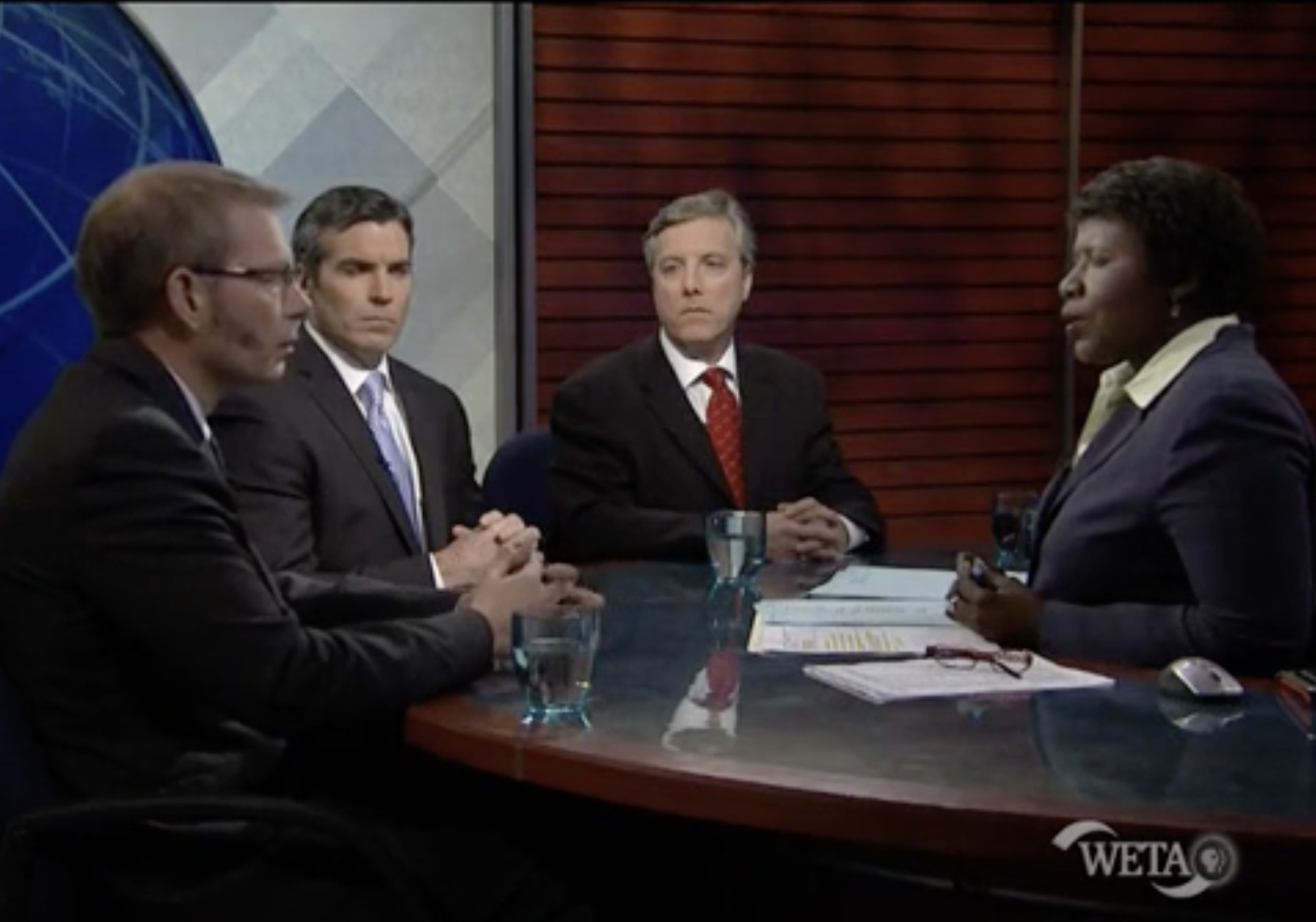 “Tea Party Candidates” Challenge the Republican Establishment (2010)
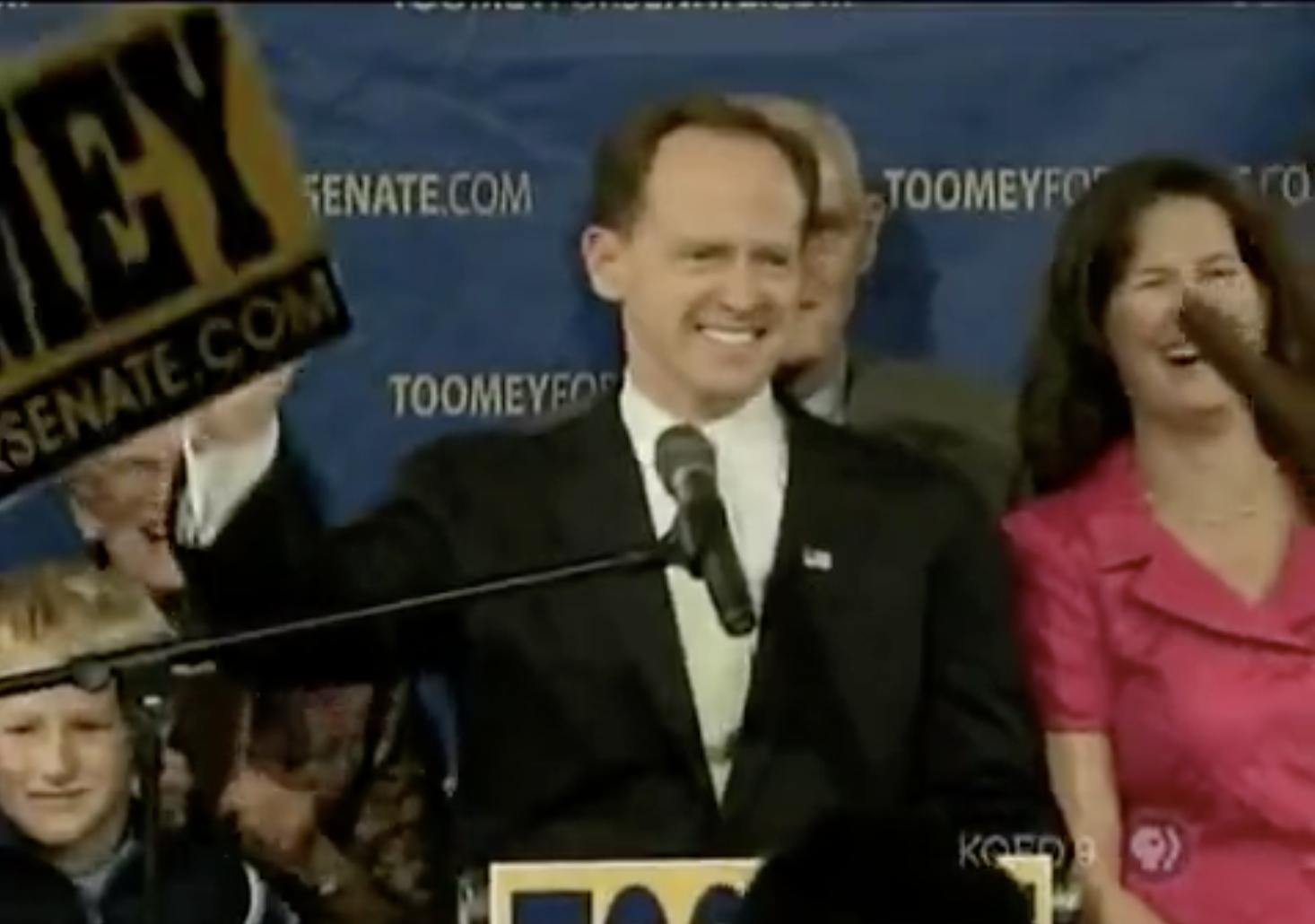 The Tea Party Wins Political Power (2010)
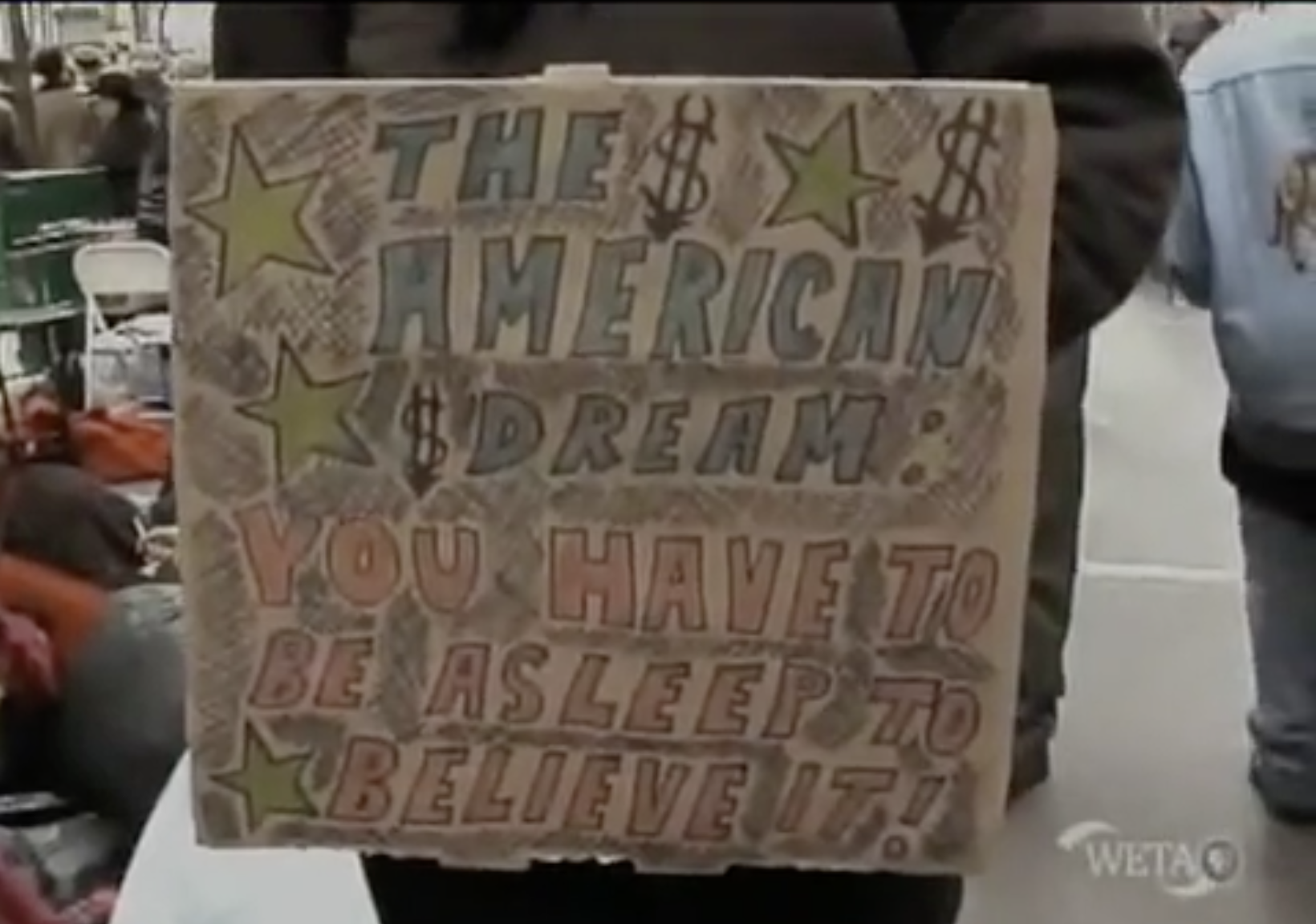 The Occupy Wall Street Movement Emerges in Zuccotti Park (2011)
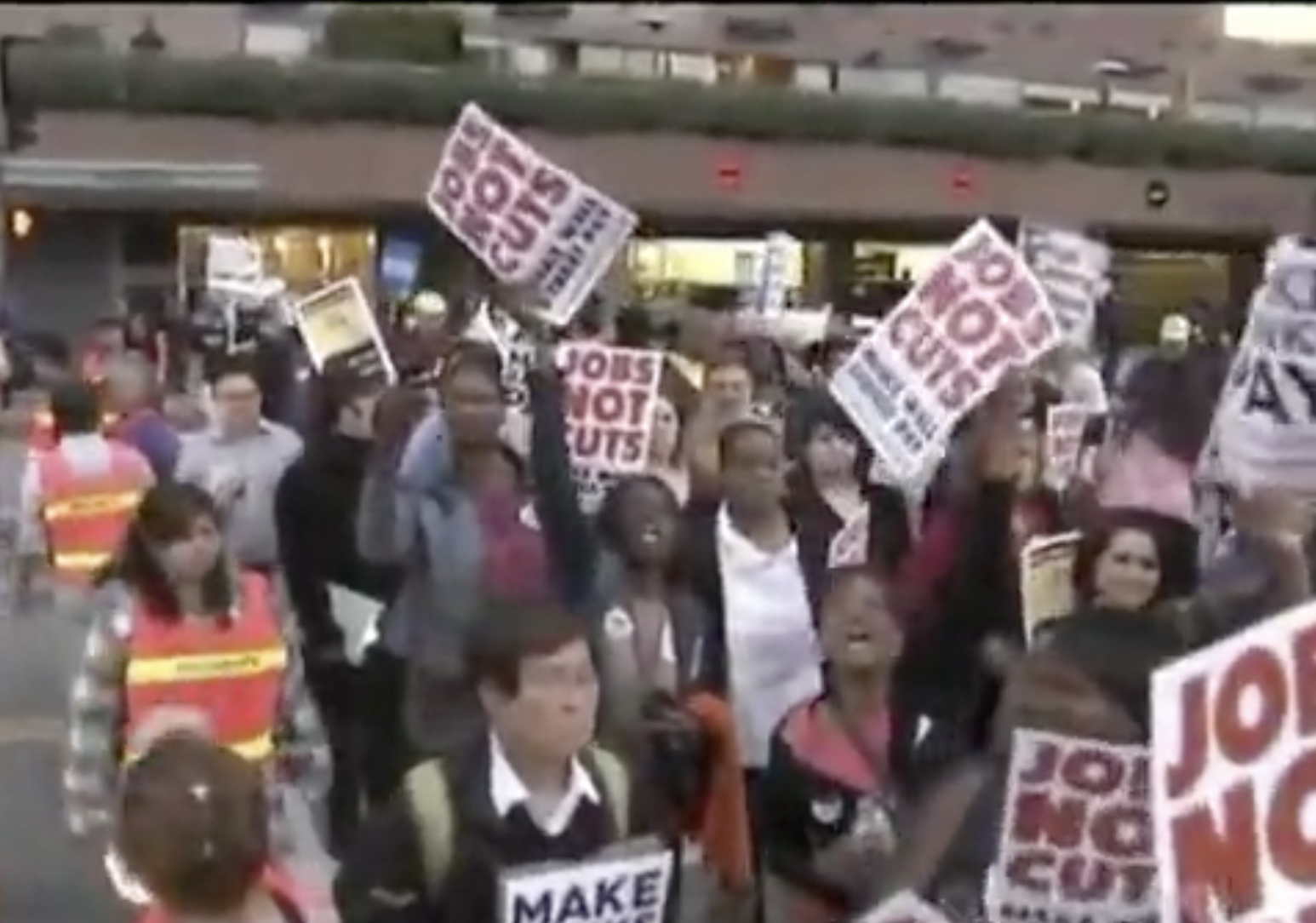 The Occupy Movement and City Authorities in Conflict (2011)
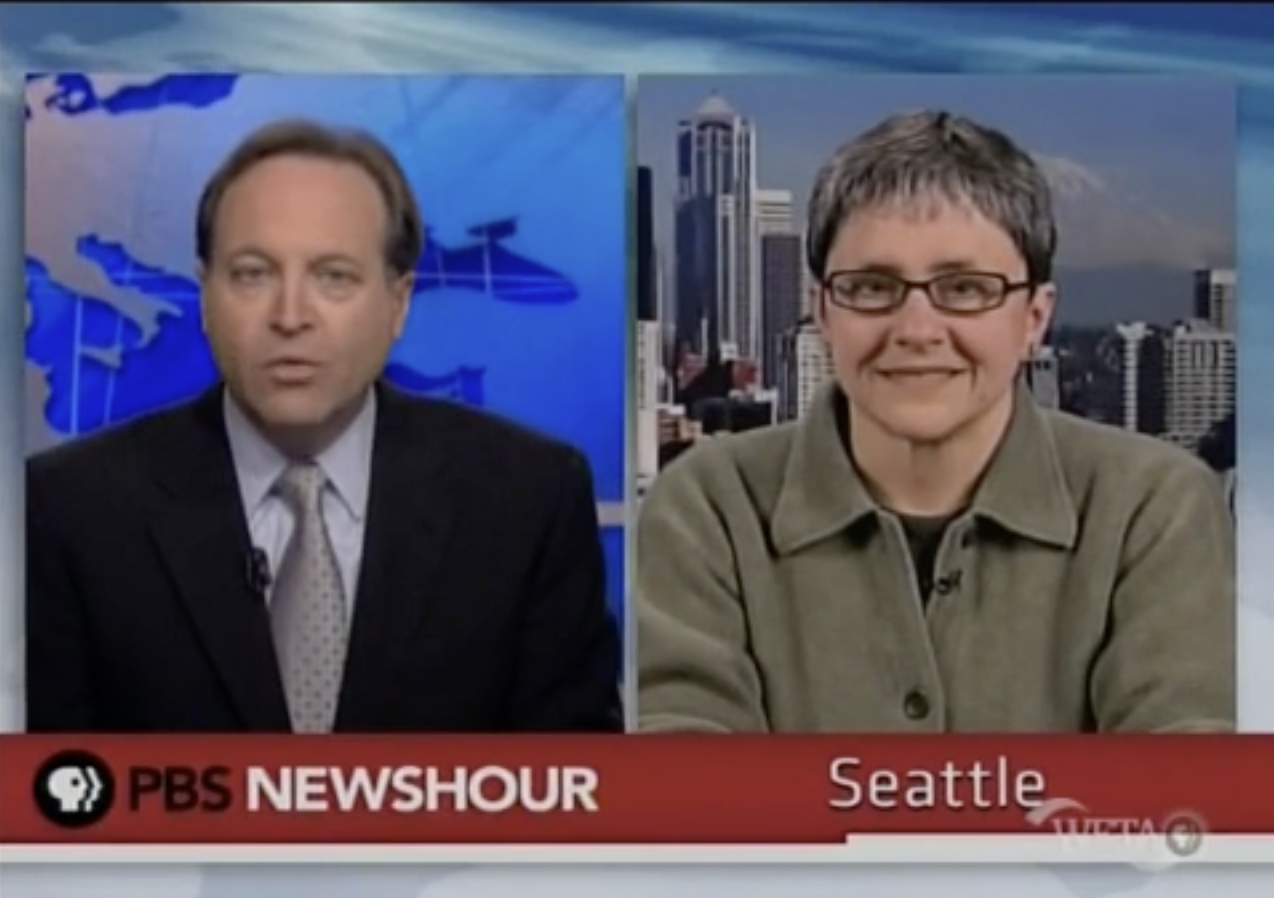 Political Commentators Assess the Potential and Limits of the Occupy Movement (2011)
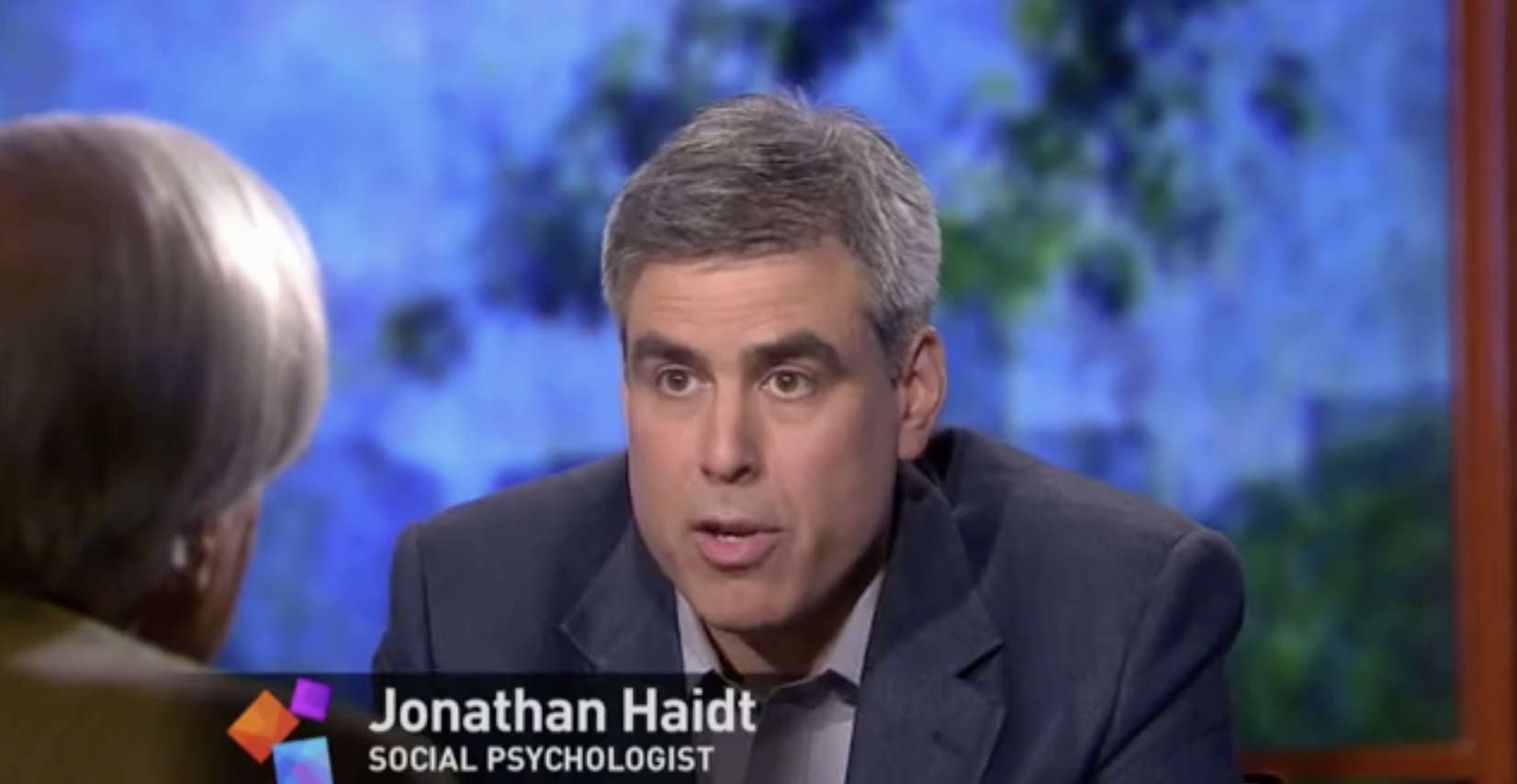 The Moral Foundations of the Tea Party and Occupy Movements
 Leadership and the Tea Party and Occupy Movements (2011)