The Carbon Tax and Dividend Strategy to Address Climate Change (2010)
Mitigating the impact of climate change is difficult because many activities central to modern life (such as driving cars, flying planes, and manufacturing and transporting goods) rely on fuel that emits carbon. Historically, many economists have favored a carbon tax—a tax levied on carbon-based fuels that would discourage the production and consumption of coal and oil, thus encouraging the development of alternative fuels. One such scheme was described by pioneering climate scientist Dr. James Hansen on an episode of WGBH Forum Network entitled “After Copenhagen: Real Solutions for Global Climate Change.” Just months after the failure of governments to reach international accord at the 2009 Copenhagen Climate Conference, Hansen lays out the logic of a carbon tax and advocates for what he calls a “fee and dividend” strategy, in which the proceeds from a carbon tax would be redistributed to the public through an annual dividend for all citizens.
WGBH Forum Network: After Copenhangen | Cambridge Forum (Television station : WGBH, M.A.) | January 28, 2010 This video clip and associated transcript appear from 19:06 - 23:45 in the full record.
View Full Record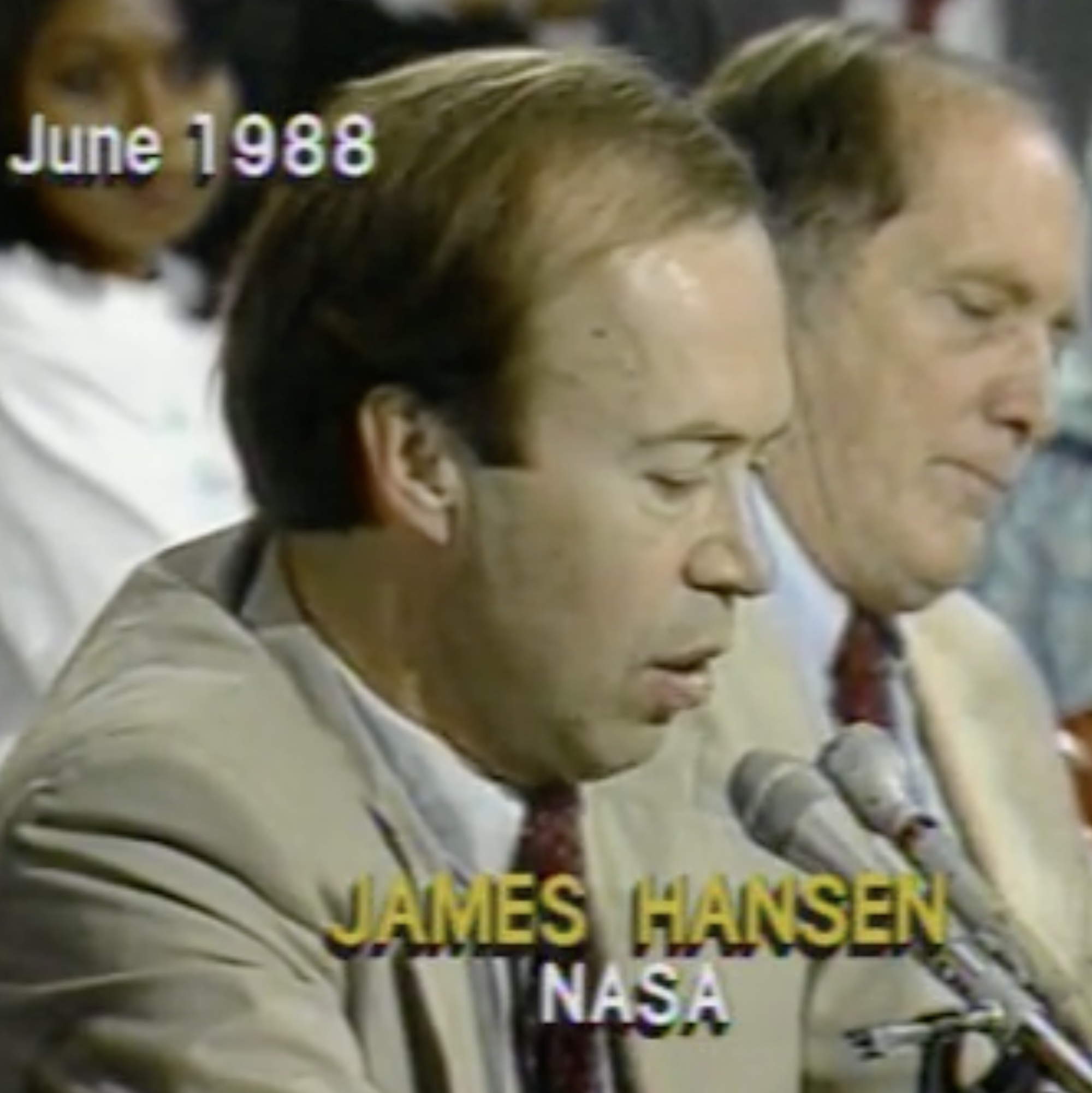 A NASA Scientist Explains Greenhouse Effect (1990)
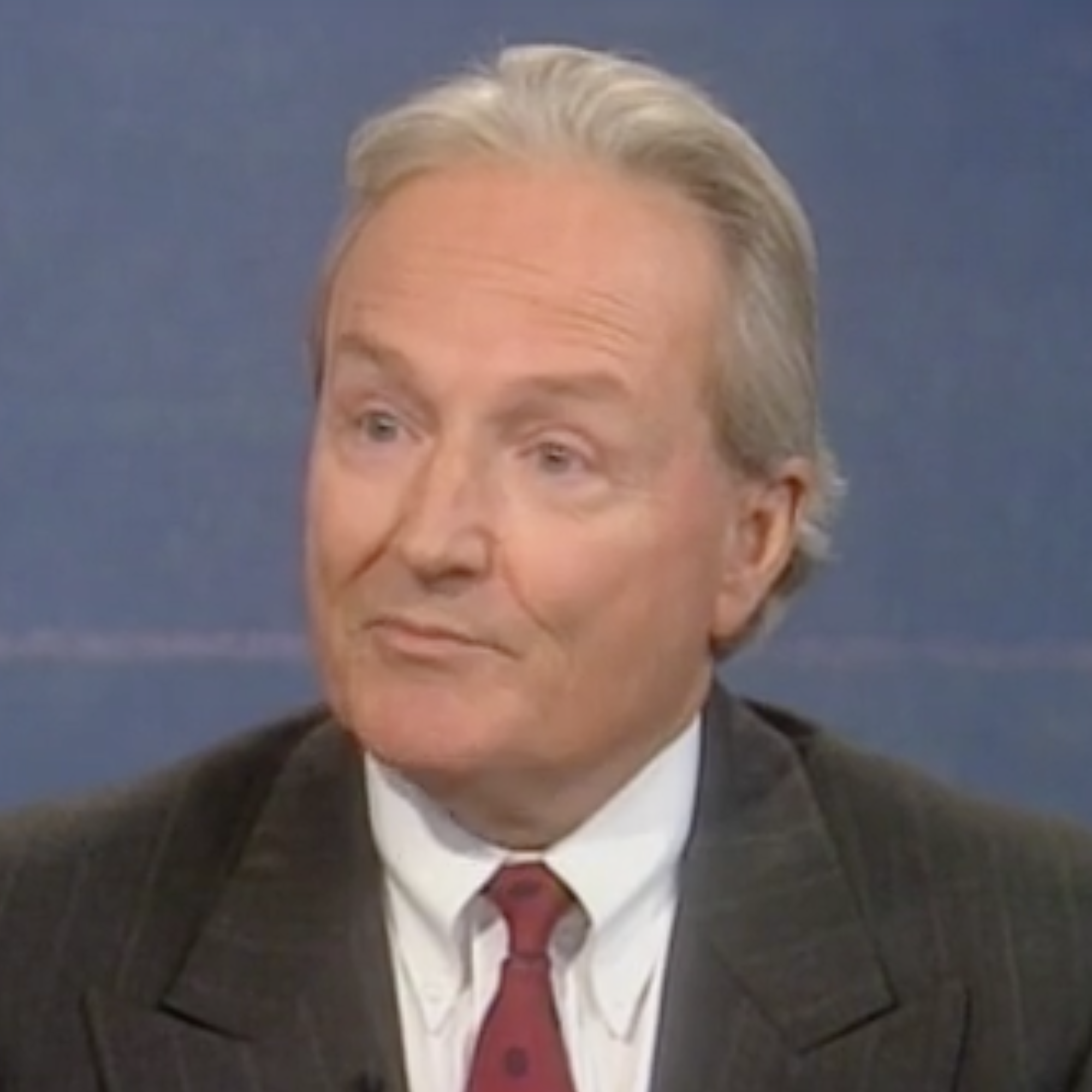 A Skeptic Criticizes the Theory of Climate Change (1997)
 The Impact of Rising Sea Levels on Coastal Cities (2018)
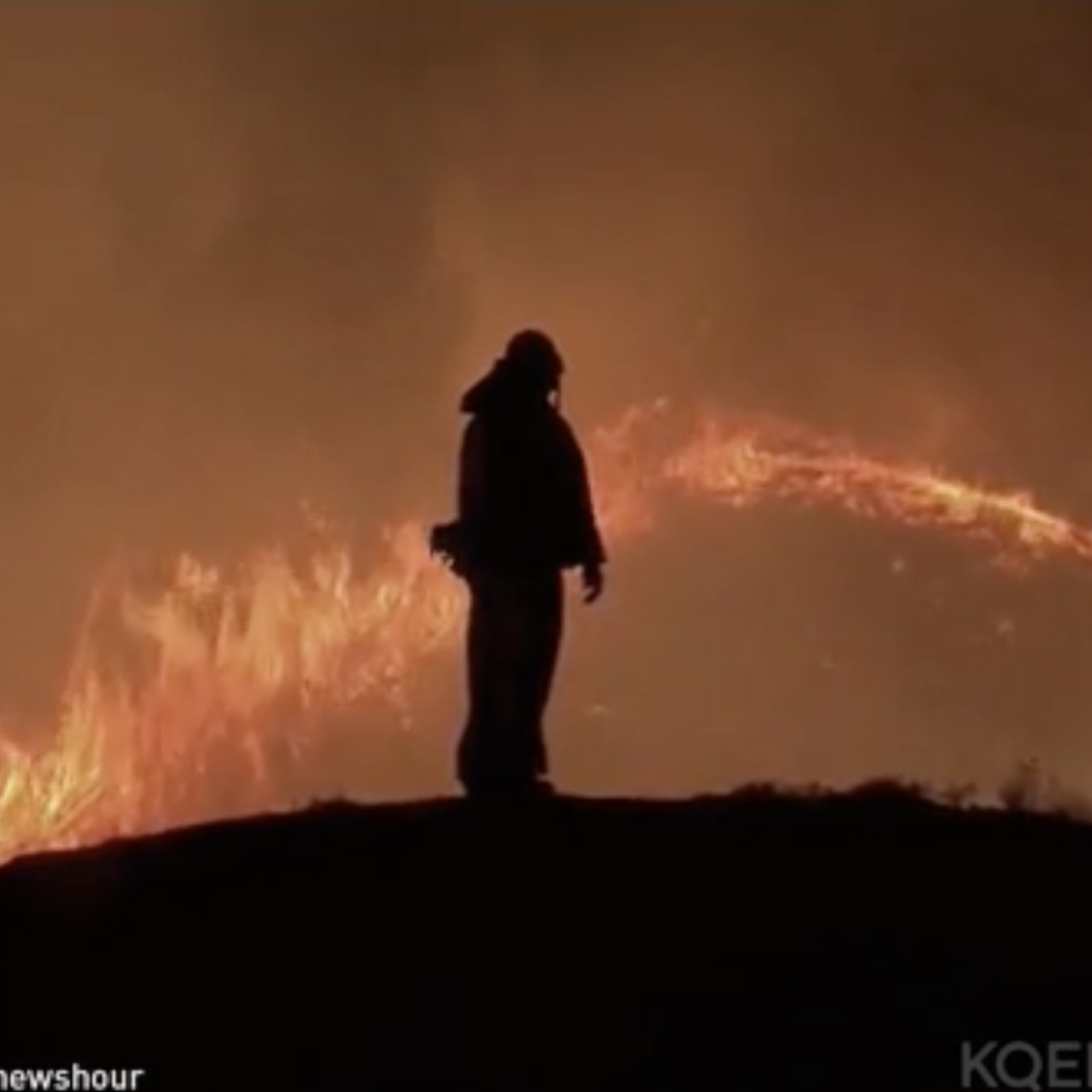 Climate Change and the Threat of Wildfires (2017)
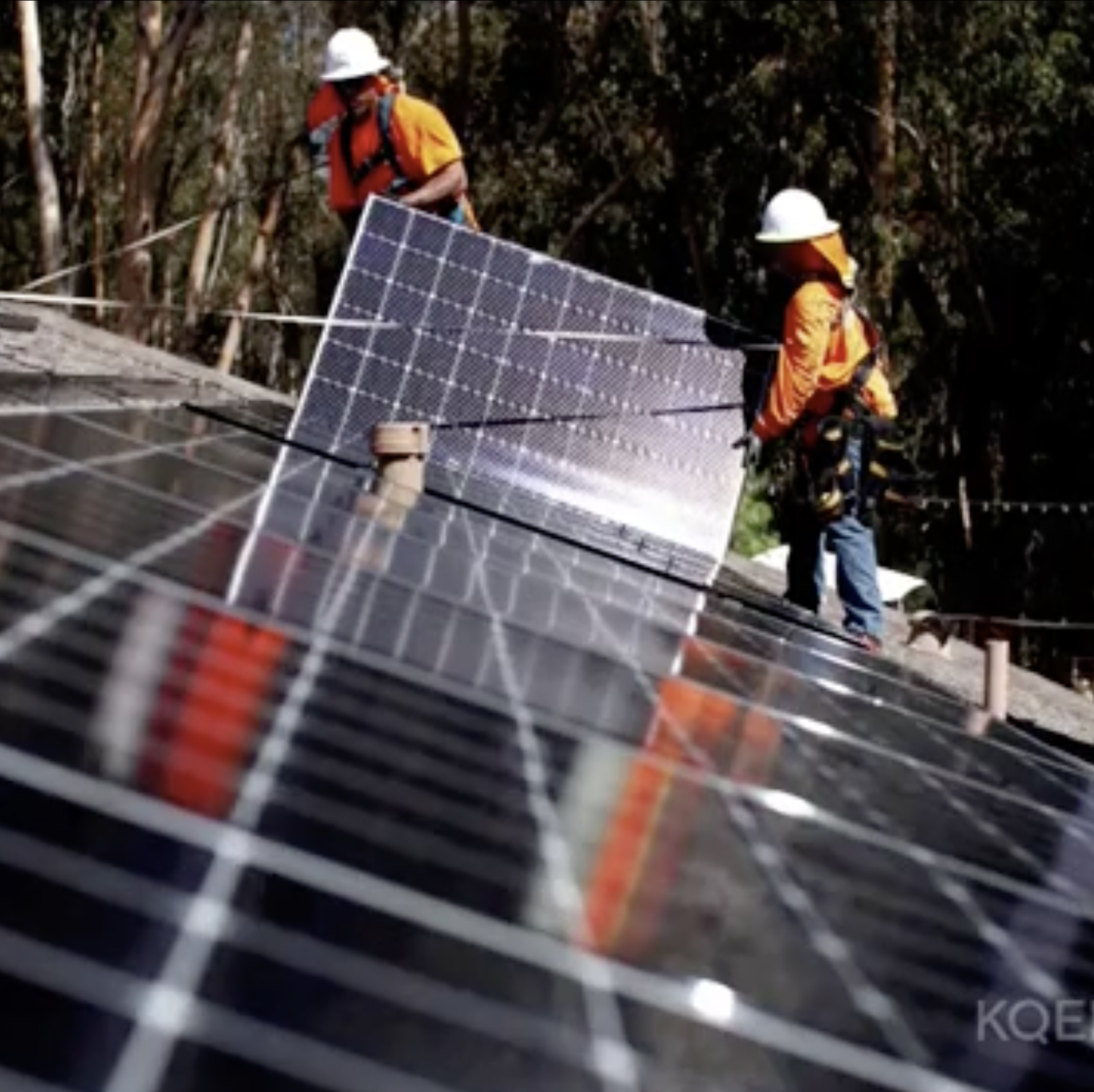 Encouraging Green Energy Adoption with Subsidies and Tax Breaks (2022)
 The Call for Profound Political Transformation to Stop Climate Change (2015)
 Imagining a Solution to Global Warming (1990)
 The Promise and Limits of the Kyoto Protocol (1997)
 A Landmark International Agreement at the Paris Climate Conference (2015)
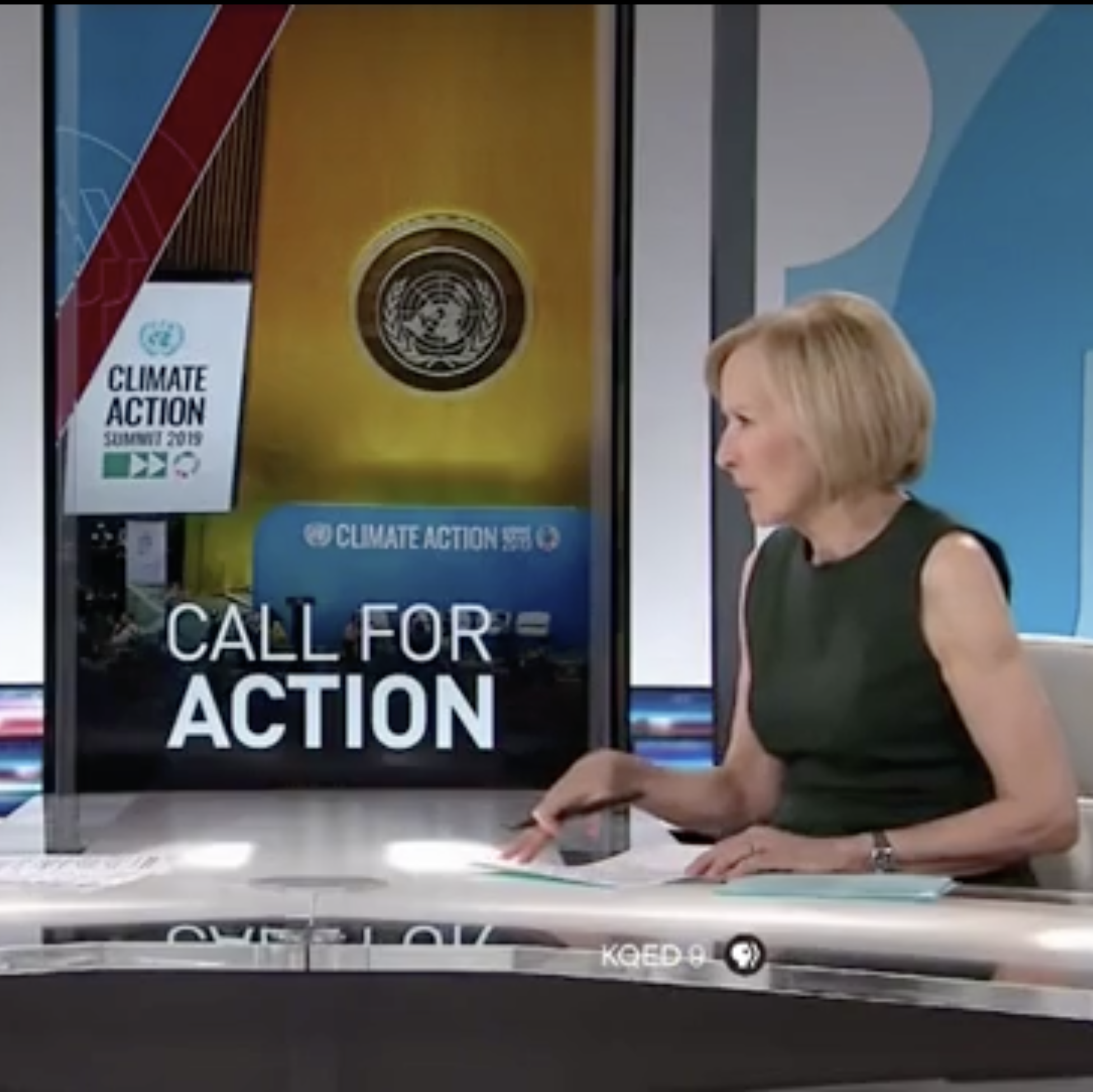 Frustration and Activism at the United Nations Climate Action Summit (2019)