In November 2008, Americans elected Barack Obama as the 44th president of the United States. For the first time in the country’s history, a Black man would serve as the commander in chief. He would go on to win re-election in 2012 and serve a total of eight years in the Oval Office. However, this set is not about his time as president, but rather the years leading up to his inauguration: What were the key moments in his journey from a community organizer in Chicago to the highest office in the land? How did public media cover him as a candidate in each of these moments? What did he and his campaign signal to the American people? The archival material gathered here offers insights in the historical contexts, political discourses, and rhetorical aspects of these moments, ranging from race relations, economic policy, international diplomacy, and the role of public media in shaping the image of America’s 44th president.
The Rise of Obama: America Elects Its First Black President
- Created By
Dr. Lindsay Hogan, Associate Professor of Communication, Boston College
- Subjects
- Americans into the 21st Century: Politics
Introduction & Context
Sources
The inclusion of individuals, organizations, or viewpoints in these materials does not constitute an endorsement by the American Archive of Public Broadcasting. Archived materials are presented as part of the historical record.
Content Advisory: These archival materials may reference content that could be sensitive for some audiences. It is recommended that teachers and faculty preview these media sources to determine their appropriateness before sharing with students.
 “A Skinny Guy with a Funny Name” – Obama Launches His First U.S. Senate Campaign (2004)
 Obama Gains National Press Attention as a Rising Star in the Democratic Party (2004)
 Obama’s Historic Keynote Speech at the 2004 Democratic Convention (2004)
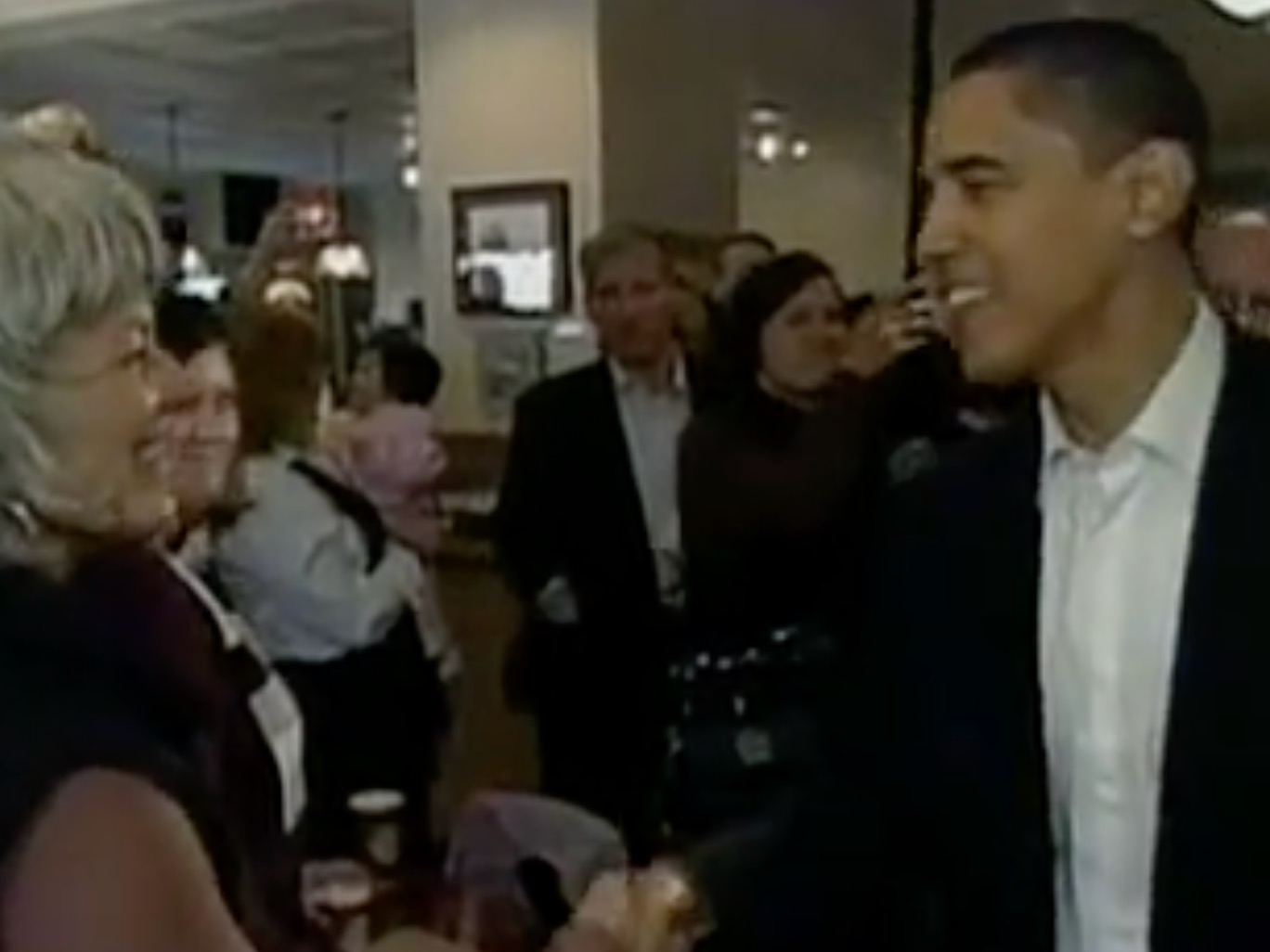 Pre-Primary Preparation: National Media Cements Obama’s Role as a Star in 2006 (2006)
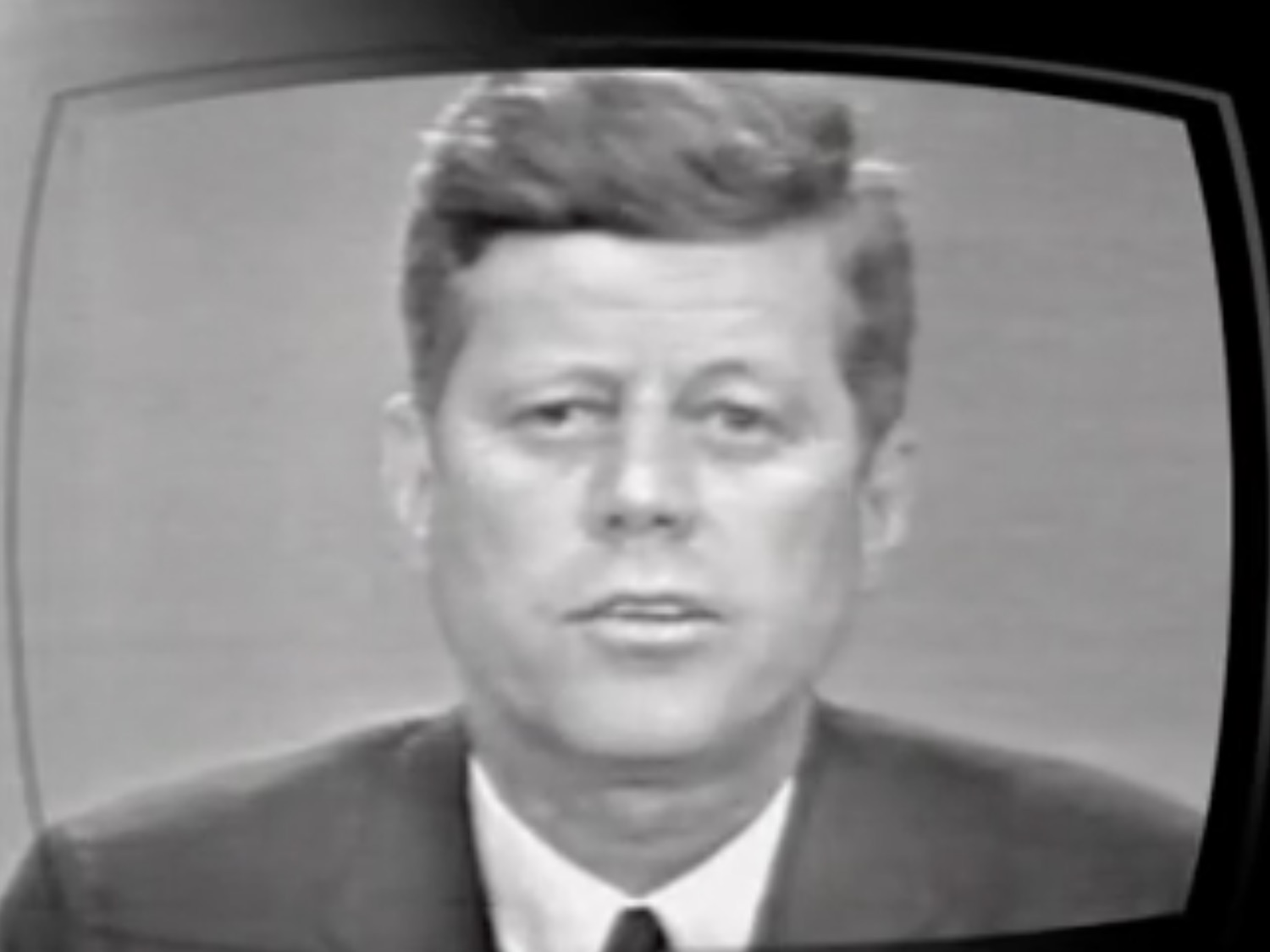 Putting Obama’s 2008 Presidential Nomination in Historical Context (2008)
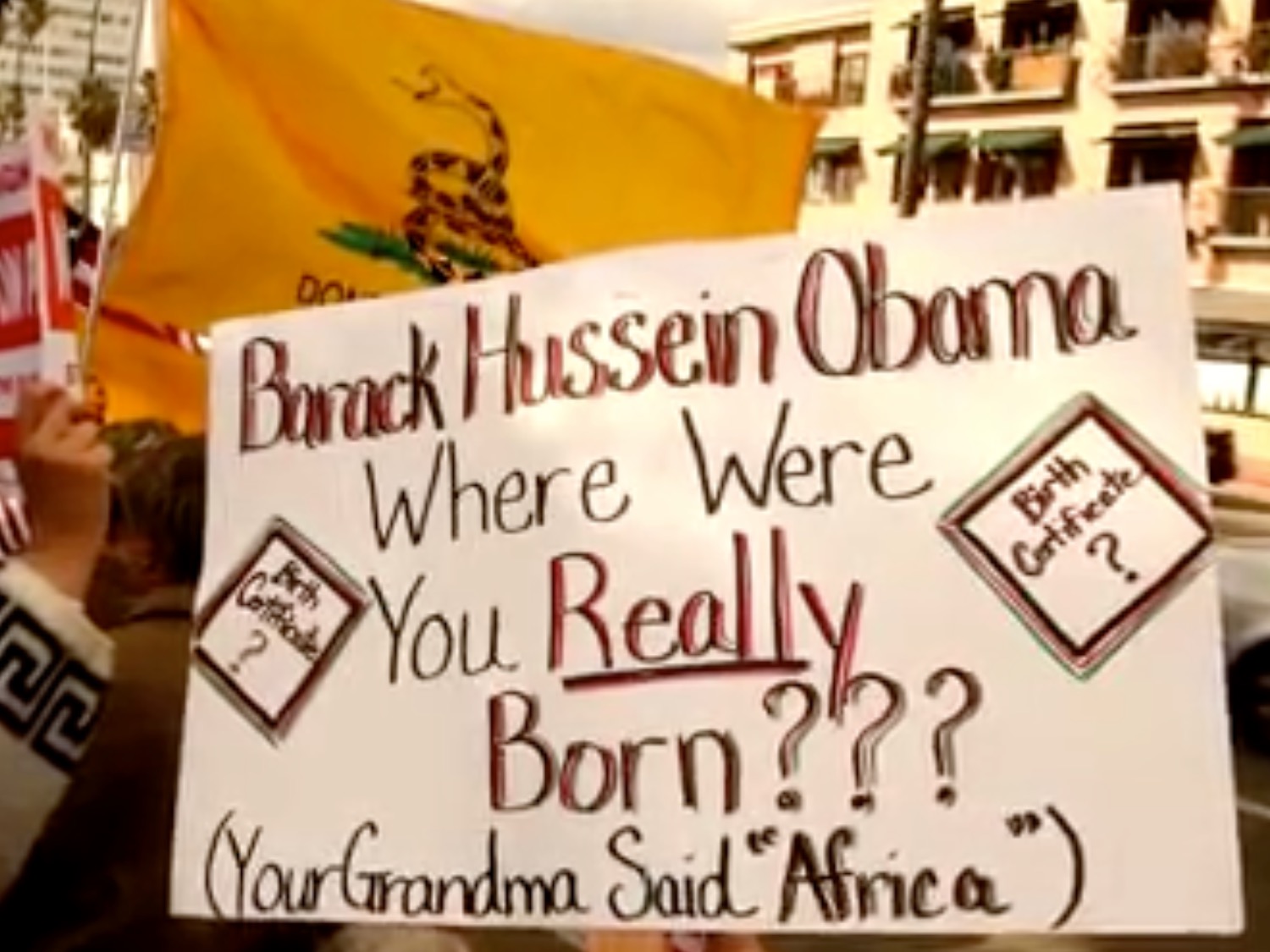 Right-Wing Campaign Rhetoric and the “Birther Conspiracy” (2008)
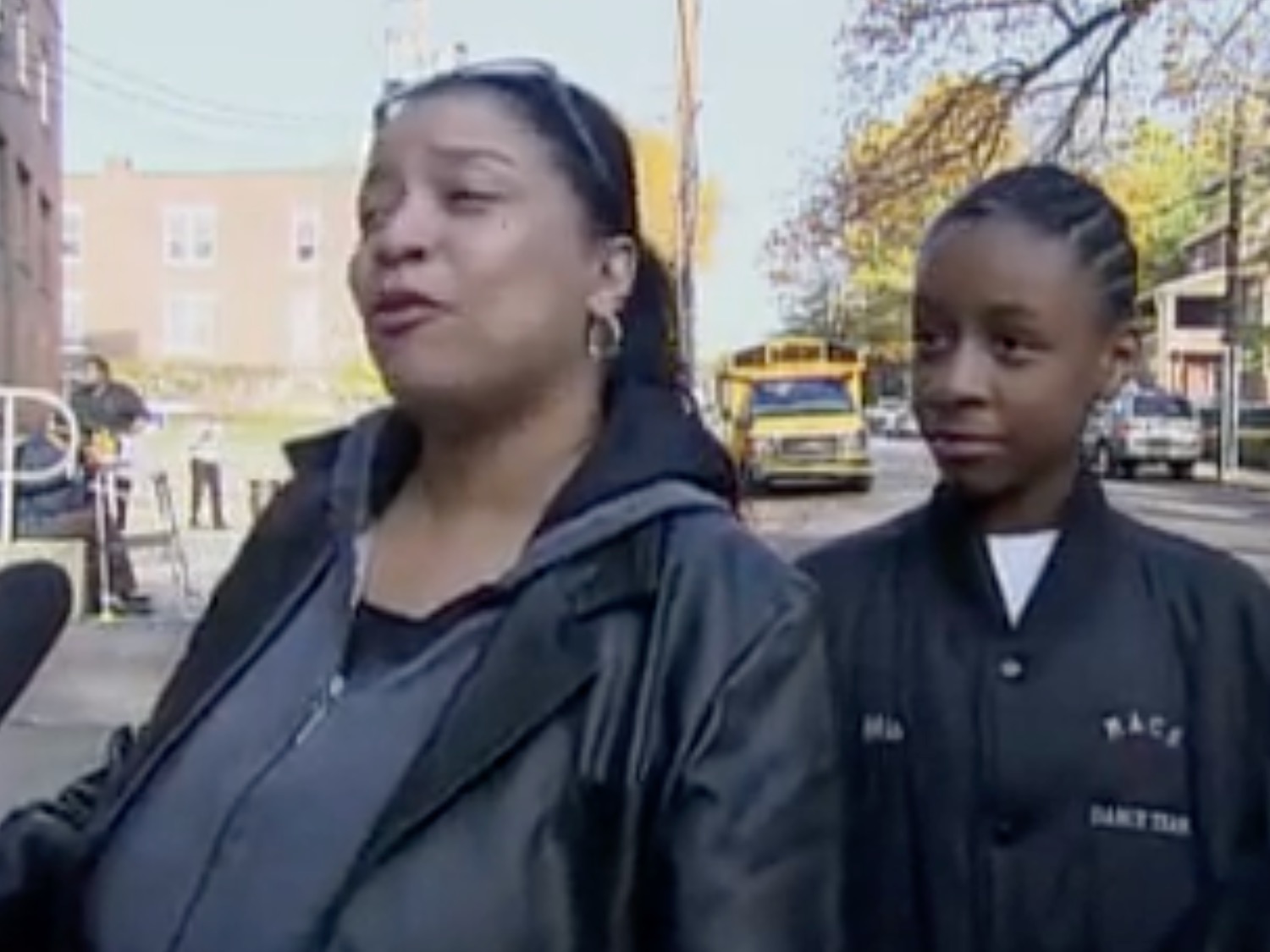 Election Night 2008: What Voters Have to Say (2008)
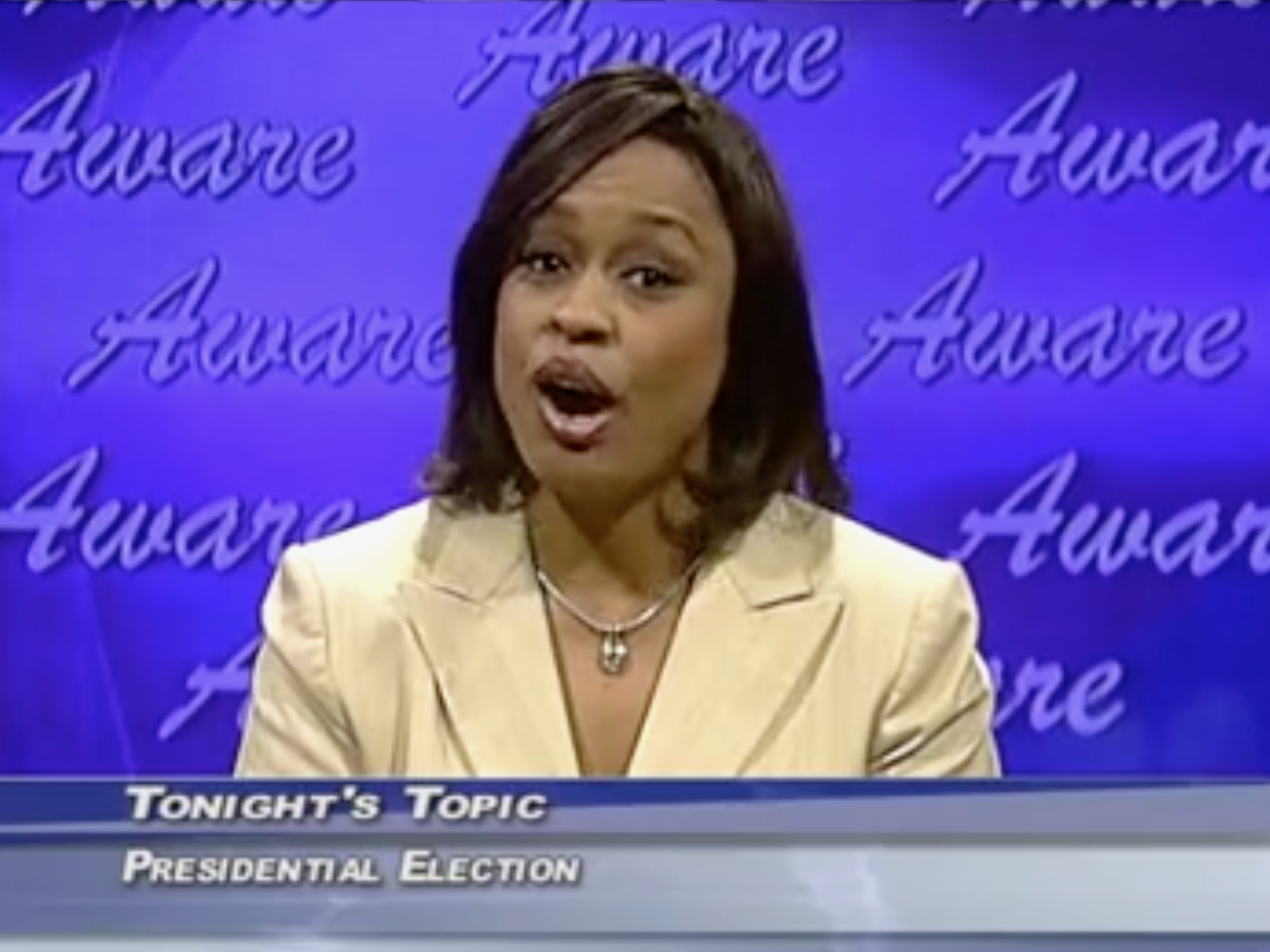 The Aftermath of Obama’s Victory: Celebration, Cautious Optimism, and Concerns (2008)
Teaching Tips Download PDF
These sources — drawn from news coverage and panel shows — highlight several moments and themes that can foster productive engagement in the classroom. First, they illuminate Obama’s political acumen and skills as an orator as well as the ways in which news framed his public image as symbolic of change, hope, unity, and American progress. Second, they trace the larger contours and contexts shaping that public image and its appeal to voters at the time, including waning support for the Bush administration’s hawkish national security and foreign policy in the years after 9/11; immense anxiety about the economy amid the most significant recession since the Great Depression; the increasingly divisive political rhetoric in the emergent era of AM talk radio and cable news; and the question of whether or not America, a country built on slavery, could progress far enough to extend those founding principles of equality, liberty, and justice for all to elect the first Black man as its 44th president. The sources in this set allow students to explore these issues and gain a nuanced understanding of such a significant moment in American history.
Background Information
Before engaging with this resource set, students should be familiar with the following:
- The broad history of America’s two main political parties (Republican and Democratic).
- The rise of conservatism since the political success of Ronald Reagan.
- Historical background of September 11th and George W. Bush’s war on terror.
- The history of race relations and the Civil Rights movement of the 20th century.
- American political elections, the role of primaries, and the processes of party nominations.
Essential Question
What were the key historical, social, and political factors that led to Obama’s election as president?
General Discussion Questions
- What were the key moments in Barack Obama’s journey from a community organizer in Chicago to becoming the president of the United States?
- What did Obama's campaign messaging mean to the American people? Analyze the symbolism of campaign slogans “Hope” and “Yes We Can.” Hope…for what? Yes we can…do what? How and why might these slogans have resonated with voters at the time?
- How important were Obama’s oratory skills to his political career? Can you identify consistent themes and rhetorical devices he uses in interviews and speeches?
Classroom Activities
1) You might only have time for a brief treatment of Obama’s historic path to the presidency. If so, you could identify one or two clips from this set to show your class and follow with some discussion questions.
a. As a class listen to the below radio program:
-
"A Skinny Guy with a Funny Name": Obama Launches His First U.S. Senate Campaign (2004)
- Ask students to identify aspects of personal narrative that Obama presents in the discussion. How does he use anecdotes to contextualize his relevant experience and frame his political position(s)? In what ways does the interviewer prompt such responses? How might this interview about local Chicago and Illinois state politics foreshadow Obama’s future campaign messaging at the national level?
b. As a class watch the below clip:
-
Pre-Primary Preparation: National Media Cements Obama’s Role as a Star in 2006 (2006)
- Ask students to analyze Obama’s general messaging and identify how it was already resonating with voters two years before he was elected. Students could also interrogate the ways in which he was talked about, specifically, the symbolic rhetoric of light, hope, and stardom. What characteristics did voters, fellow politicians, and political strategists highlight to differentiate Obama from other political figures, both contemporary and historical?
c. As a class watch the below clip:
-
Election Night 2008: What Voters Have to Say (2008)
- Prompt students to analyze the ways in which Americans perceived the significance of the election at the time. What key issues were voters considering? Which campaign messages from both the Democrat and Republican candidates seemed to resonate with voters in their decision-making? This is also a good opportunity for students to contextualize the contemporaneous elements of the moment, especially in regards to ramifications of the post-9/11 policies of the war on terror, both domestically and globally, in addition to the economic factors at play in the Great Recession.
2) The keynote address at the 2004 Democratic National Convention was undoubtedly one of the most significant moments in Obama’s early political career. He stood squarely in the national spotlight as he delivered a speech bringing the arena crowd to its feet in a standing ovation and left live broadcast commentators nearly speechless. The live coverage of his address featured in the below clip offers a unique teaching tool to not only identify and analyze creative and effective uses of rhetorical devices in the speech itself, but also the ways in which live television mediates public address, framing both the delivery and reception of Obama’s speech with strategic decisions of camera angles, cutaways, and reaction shots. Below are some suggestions for in-class activities and/or assignments outside of class using the video as a learning resource.
a. As a class watch:
Rhetorical Analysis
i. Have students establish the rhetorical situation and context of the speech, including:
- Audience/audiences (the specific or intended people with whom the speech is designed to communicate).
- Speaker/author (the person delivering the speech and parties who may have helped write it).
- Purposes (the various reasons why the speech was written and delivered, i.e. to inform, to persuade, to commemorate, to entertain, or what the speaker wants the audience to know, feel, believe, or do).
- Setting (the place, time, and the environment in which the speech was written and delivered, both literally and figuratively, i.e. both the physical location and environment as well as the larger historical, political, and rhetorical environment with which the speech is engaging).
ii. Either in class or at home, have students watch the speech and identify each of the following rhetorical devices. Once students have identified and labeled each one, ask students to analyze how and why the rhetorical device operates in the larger context of delivery and reception. Ask students to consider how one or more of the devices below are used in the speech to convince the audience of the speaker’s credibility, authority, and trustworthiness; evoke certain emotions in the audience; appeal to logic and reasoning:
- Personal narrative/anecdote
- Repetition
- Metaphors
- Cliches
- Questions
- Opposites
- Semantic parallelism
- Use of the third-person plural “we”
If time constraints limit how much of the full speech each student can watch, you can coordinate a cooperative learning activity: split the class into small groups and assign each group a portion of the speech to watch and analyze. Students from different groups can then present their analysis to class to create a whole analysis of the speech.
Additional Resources
References
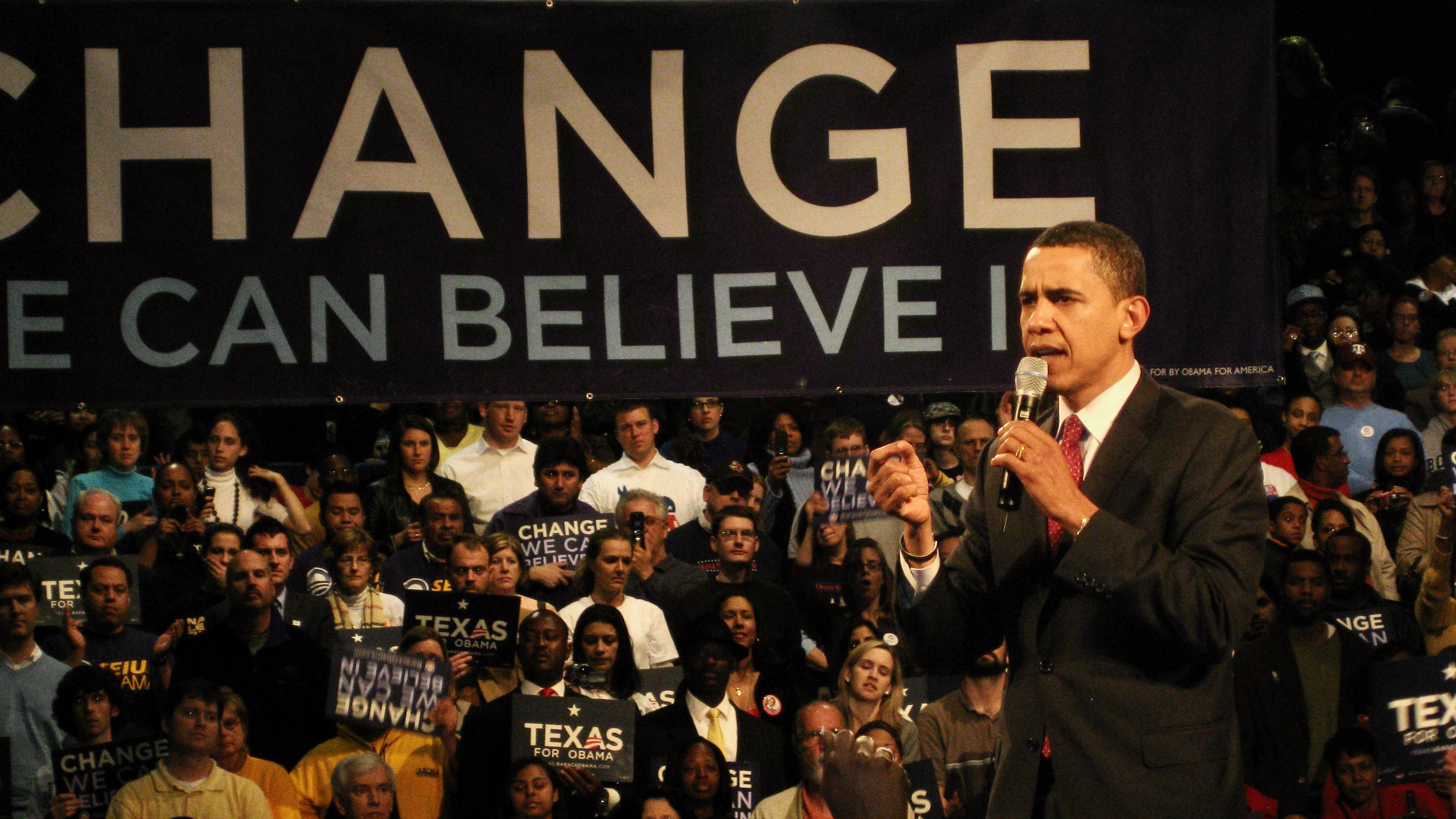
Cover image: Taylor, Warren. Barack Obama addresses a crowd in downtown Des Moines, Iowa, October 31, 2008. October 31, 2008. Photograph. [Wikimedia Commons.](https://commons.wikimedia.org/… Licensed under CC BY 2.0.

.jpg)