little bit of is at the core. We've seen cheap imports of steel and aluminum from Russia Brazil. Other Come companies other countries like China have a real profound impact on our workforce. The steel workers want to prevent the WTO from undermining U.S. anti dumping laws laws that go after countries that sell their product into the United States. Below the actual cost of making us not saying we shouldn't trade but I think there's got to be a right way and don't want it. The American aluminum industry is in flux for its part Kaiser says it's trying to save its U.S. plants by making its operations and its workforce more competitive. To do that Kaiser wants to eliminate hundreds of jobs in Washington state but actually boost wages for those workers who remain. Nearly every union has its own issue with the WTO. But the machinists union at Boeing the issue is something called offsets and offset is where a country like China dictates that Boeing have airplane parts built in Chinese factories in exchange for a large aircraft order.
And one of the things is we can't tie the hands of the Boeing Company I'm unable to sell airplanes but it's not going to do us any good as a union. You know every country that they go into they give an offset. And basically you know there are going to be building airplanes around the world to not be building here in the Puget Sound area. You know a lot of people try to characterize us as we're against trade. Why would I be against trade. I live in the Pacific Northwest. Almost 40 percent of the people I represent they get weekly pay checks. Because their jobs are directly related to trade. Ron Judd is executive director of the King County Labor Council of the AFL CIO says that the booming U.S. economy has masked an underlying problem that more than a half million American manufacturing jobs have disappeared since 1997 disappeared they say because businesses that who've worked in Mexico can take advantage of wages so low they won't lift people out of poverty because lax environmental laws in countries like China make it profitable for U.S. companies to move plants there. We're saying that everybody ought to be playing off the same rulebook. And if companies in this
country want to do the right thing then they ought to be competing with country with companies in other countries that are doing the right thing. Organizers say they'll be bringing in union members from around North America and labor leaders from around the world. They'll be protesting among other things the use of child labor in Southeast Asia and the murder of union organizers in Latin America. They say they'll be allowed enough to be heard but will they be listened to by the delegates and. The steelworkers say they'll be well represented. We are trying to mobilize Pierce County to other. Union members and labor people from Pierce County. To. Go to Seattle on 30th November. This is a fight that that. Or that we can have you know our pet on our soil. I think hopefully he said and apply a change that will put place. With us now to talk about balancing trade and labor interests are two people deeply involved
in this issue Diane Sullivan is the director of trade policy for the National Association of Manufacturers and also with us is the lead international economist for the AFL CIO which is organizing tomorrow's labor or labor march which I imagine you've been very busy working on some of that. What is it that you really hope to get across with that march tomorrow. Well. We want the WTO to change both the way it does business want to be more open democratic accountable sensible to labor unions and other civil society organizations we want to change its rules we want forcible workers rights. At the World Trade Organization. And what we hope to demonstrate with the march is first of all that there are a lot of us there's going to be tens of thousands of people out in the street that we cross the Internet. Boundaries we're going to have workers from all over the world with us tomorrow from South Africa Brazil Malaysia Kenya fast so workers who are united in their demand that the world the World Trade Organization. Right.
Trade is the message that we value trade but we want trade I guess on certain levels. I think that the Internet the labor movement is one of the most international and globalized movements that there is we value trade we value globalization. We want to different set of rules for trade. We want workers rights protected with the same vigor and enforcement measures that business concerns are protected today. Let's take that issue to Diane Sullivan of The National Association of Manufacturers fair to say some of the protests we've seen already hanging a banner off the Old Navy store burning overalls at the Gap. These are directed at you and your organization and the manufacturers. What's your reaction to these protests. Well Jeanne we think it's important that people have an opportunity to speak their mind and certainly there are instances where some effects of trade have hurt some workers who have needed to change and shift into other jobs. But I think the most important point here that we believe is that the World Trade Organization is about jobs. For example the manufacturers that I represent represent 18 million people in America who make things. And over the past 60 years we've had a and credible increase in jobs and new and better
types of jobs new quality jobs better paying better benefits. So we think that trade is really about the people and about the workers to Thalia I'd like to direct that question because I wonder what the United States says we're for trade we're helping for helping the third world develop jobs does that really say to you though we're exporting American jobs overseas. Well we are exporting American jobs overseas and we have we have seen an erosion of good paying manufacturing jobs but that isn't really the point the point is that the current system of globalization isn't delivering good results for for everybody across the board not for our developing country partners and not for American workers. We've seen a decline in the stagnation of wages for the majority of American workers over the last 20 years or so. And we see growing inequality both within and between countries in developing countries we've seen terrible growth in inequality a lot of environmental problems and the current trade rules are exacerbating not solving those problems. I'd have to say I don't believe that we're exporting jobs at this point to trade I think what we're doing is importing better jobs in some ways it's quite fascinating. But I think that the point here is that as we
move forward with international trade we set examples in other countries job standards increase in other countries benefits pay get better and in the meantime our workers here get better opportunities and more opportunities for jobs.
 Postwar Optimism about the Economic Benefits of International Trade (1965)
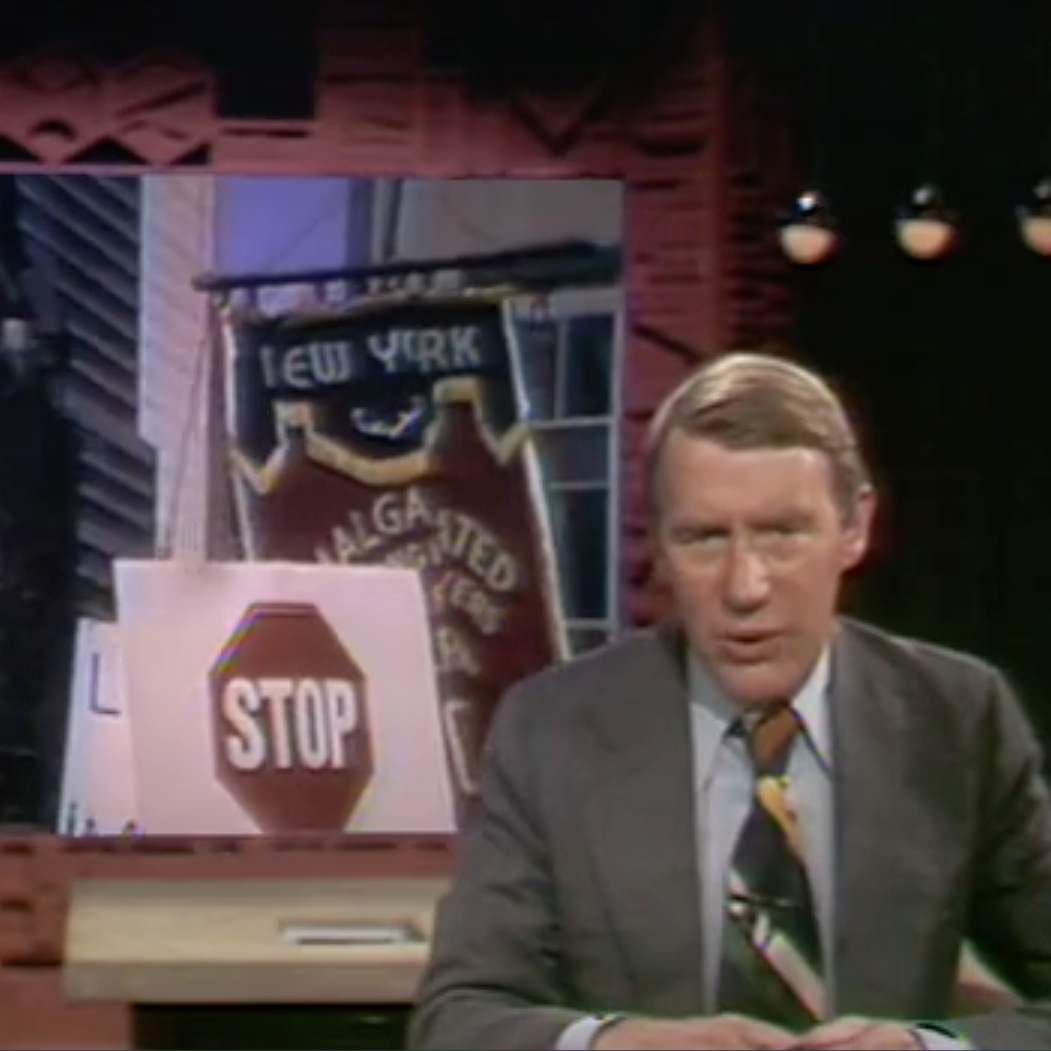 The Growing “Threat” of Imported Goods in the 1970s (1977)
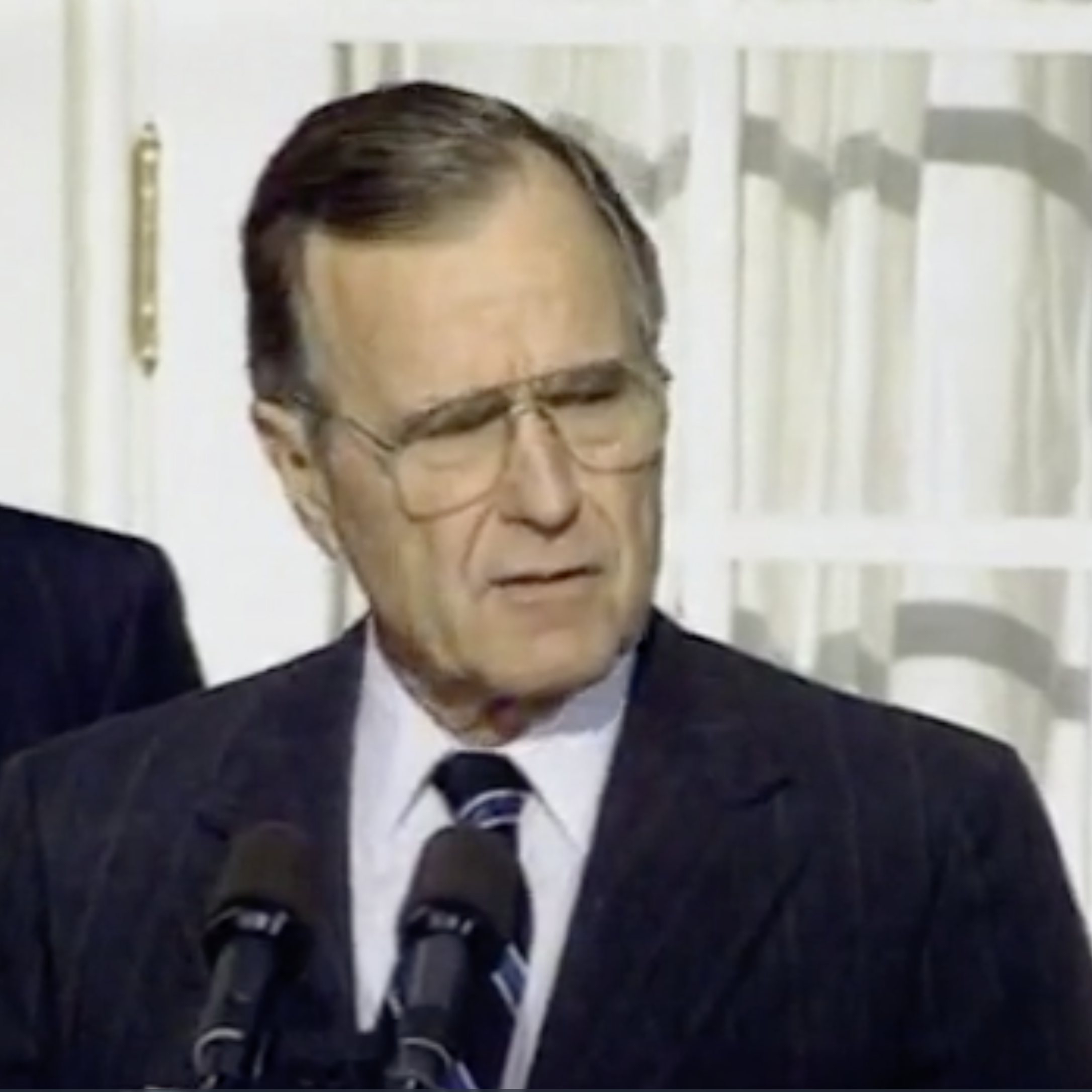 NAFTA Promotes U.S. Trade with Mexico and Canada (1995)
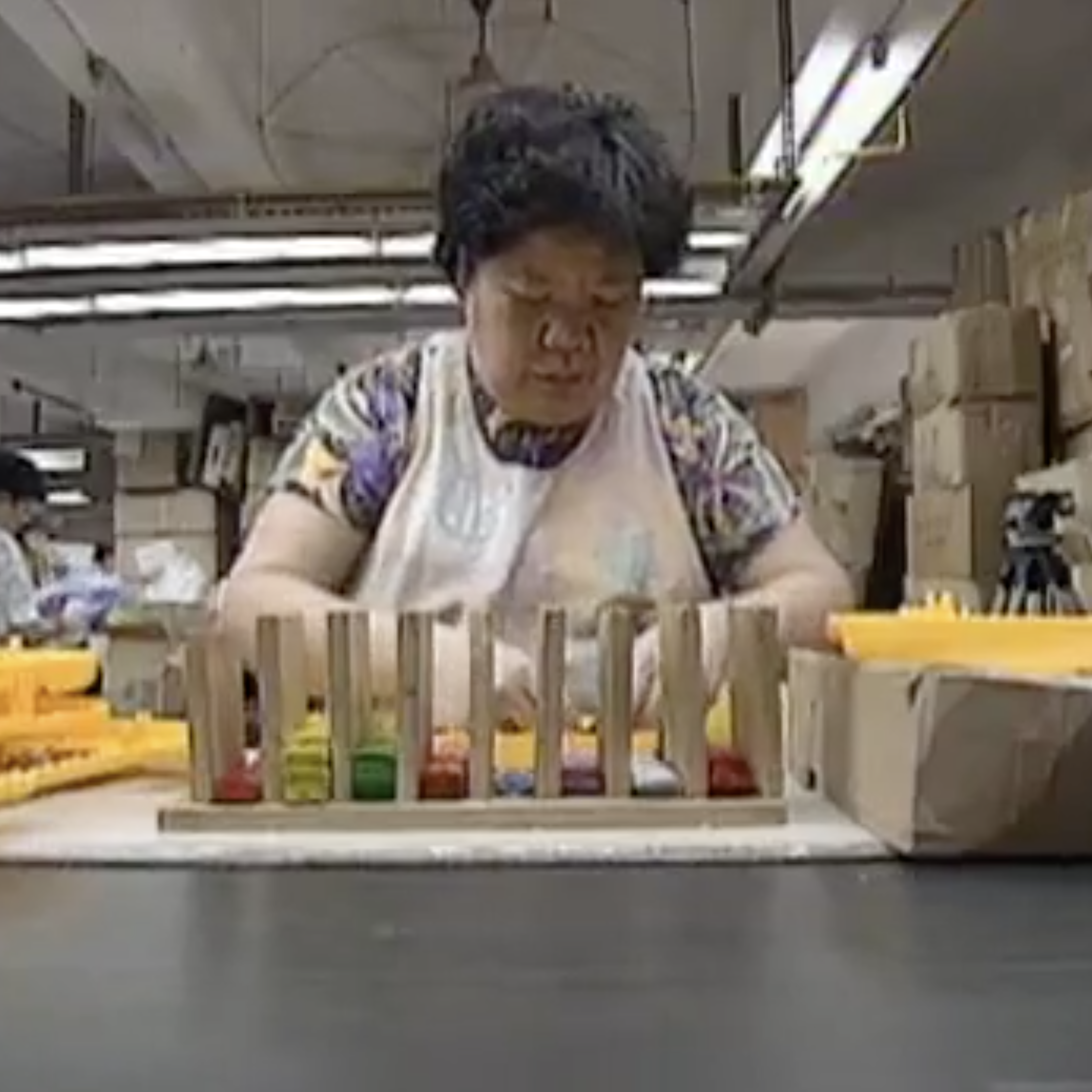 Ocean Trade and the Explosion of Global Commerce (1994)
 Walmart, Sweatshops, and the Price of Cheap Clothes (2004)
 Defending Free Trade Against its Critics (2004)
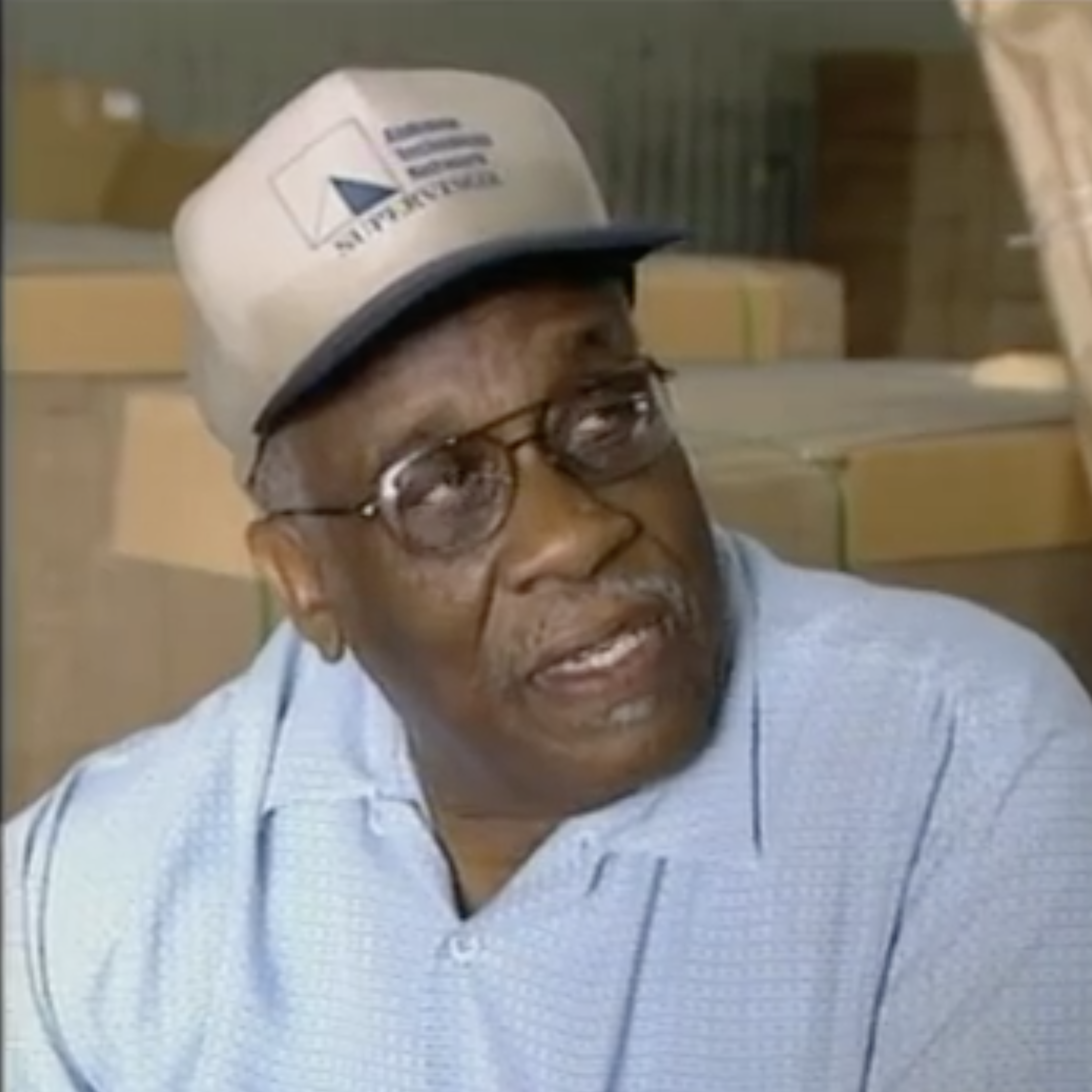 The Complex Impact of Globalization on Alabama Communities (2005)
 The Lessons of the “Elephant Chart” (2017)
 Debating Global Trade in the Age of Trump (2017)
 Trump’s Trade Policy and Criticism of China (2018)
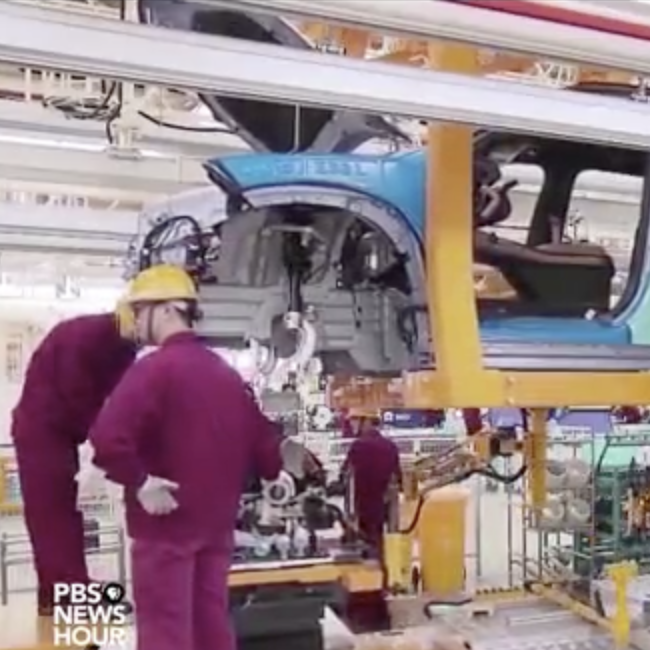 The Biden Administration’s Combative Stance with China (2024)