The Biden Administration’s Combative Stance with China
In 2020, Democrat Joe Biden ran as a restoration candidate who would reverse the changes of the Trump Era. While Biden was quite different from Trump in style and substance, he actually continued many Trump administration policies relating to China. As shown in this 2024 NewsHour report, the Biden administration retained many Trump-era tariffs, and added to them by enacting enhanced trade duties on Chinese electric vehicles and other green technology. Like Trump, Biden argued that these tariffs would protect American workers because the Chinese government was unfairly subsidizing these products and dumping them in foreign markets. Some political analysts, like reporter Lisa Desjardins in this clip, argued that these trade policies represented a Democratic attempt to win back workers in Rust Belt swing states that had voted for Trump in 2016. Additionally, Biden administration officials argued that it was necessary for national security to make sure that crucial emerging technologies were being “on-shored”—produced in the United States rather than on the soil of a geopolitical adversary. This policy towards China was coupled with the Inflation Reduction Act and the CHIPS and Science Act, both of which aimed to provide subsidies to produce green technology and semiconductors in the U.S. Thus, by the early 2020s, a new bipartisan consensus seemed to be emerging that was more skeptical that open trade with China would benefit ordinary Americans.
PBS NewsHour; March 8, 2018 6:00pm-7:01pm PST | NewsHour Productions | March 9, 2018 This video clip and associated transcript appear from 16:34 - 23:25 in the full record.
View Full Record Postwar Optimism about the Economic Benefits of International Trade (1965)
 The Growing “Threat” of Imported Goods in the 1970s (1977)
 NAFTA Promotes US Trade with Mexico and Canada (1995)
 Ocean Trade and the Explosion of Global Commerce (1994)
 Walmart, Sweatshops, and the Price of Cheap Clothes (2004)
 Organized Labor’s Critique of Globalization and Free Trade (1999)
 The Complex Impact of Globalization on Alabama Communities (2005)
 The Lessons of the “Elephant Chart” (2017)
 Debating Global Trade in the Age of Trump (2017)
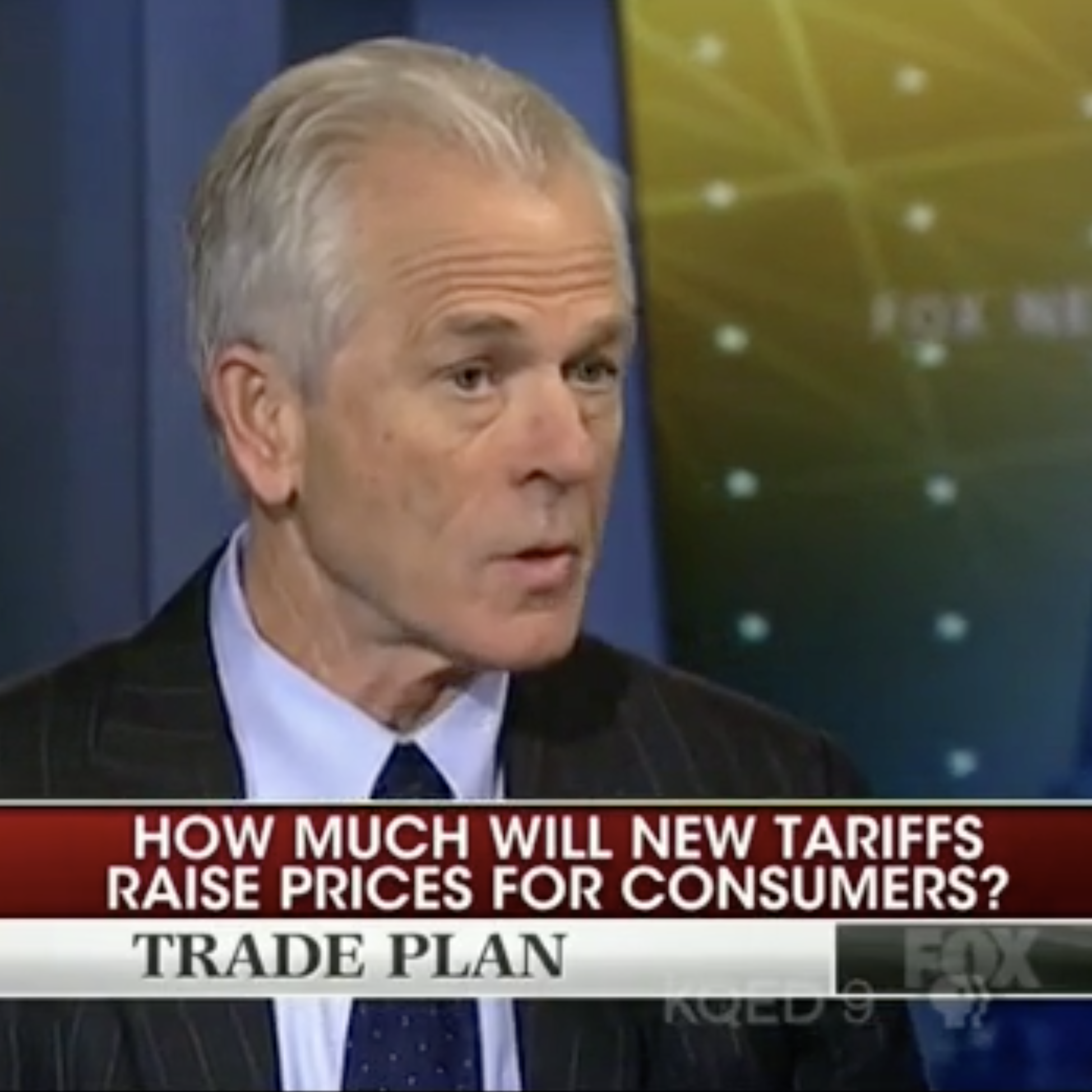 Trump’s Trade Policy and Criticism of China (2018)