Leadership and the Tea Party and Occupy Movements (2011)

Transcript
Hide -
down there and didn't see police no matter what day it was. You know since September 30th when it started I also think there's a much more important question here of the message and what is the message actually disseminate in a way where people were able to leave because their message had reached where it wanted to go was another month or three weeks or six months of camping out going to do anything and I I don't know that it was I think what the whole that whole phrase of the 99 percent has indeed been adopted. You heard Barack Obama in Kansas this week say the 99 percent well would he have said that if there'd been no Occupy Wall I don't think so. The message to get through. Agree. Well I'm not sure I agree. I think that. That this whole message about the lack of opportunity for the middle class about the concentration of wealth in the hands of a few is a message the Democrats have been beating the drum on for a couple of years now. This is it's a standard complaint and there's been a lot of people focused on this. I think that Occupy Wall Street and the whole Occupy movement was as a consequence of this discussion it wasn't the product of two were about this. It is not what created this I may have come up with the name of 99
percent but aside from that I think it was a result of a lot of the discussion that's going on and I'm not sure that Occupy Wall Street's got done anything in terms of helping people come up with solutions I think the focus the media focus on their tactics has taken away sometimes I think from the message. I don't even know what the message is sometimes I don't know if they know what the message was or say that I think you know what the message was but they didn't have solutions. And that's and I'll tell Mrs. of the whole movement as they were coming up with solutions. So it had an empty ring to it in my mind anyway and that I will tell you that the time they lost me was when a group of the Occupy people marched on the Israeli consulate and demanded the objection from the country of all Israeli officials. Well to me that was nice. Where did that kindness. I think both the Occupy movement and the Tea Party movement suffer from some of the same problems which is they contain extremists within them which tends to turn people off. But I also think they have some of the same successes which is their issues get put into the lexicon at the same time that people are saying you know I'm not really a
fan of the Tea Party are not really fanned Occupy Wall Street but they hear the message the more sort of mainstream message like I'm not happy with the government you know sort of throw the bums out or gee there's too much division between with the top havin and the middle class have the people themselves I don't know that people can identify with them somewhere really disagree with you is the Tea Party was not leaderless and the Tea Party was willing to a certain agenda there's a number of groups but they all have leaders and they very quickly moved to get rid of some of the racists in the in the Tea Party case the really extreme racists. They shut them down. You never saw that shutdown occurring from the Occupy people because their whole their whole methodology is that there is no leader there's no spokesperson There's no agenda. And so nothing is wrong to say Yeah I think with a share is that they will both at least at this source populist movements that are opposed to big big government big business and the combination of big government big business which is I think what a lot of. Will come out of this. People are frustrated and they feel left out whether they're on the left or on the right they feel left out of the system and they feel helpless and the system is not working for them anymore.
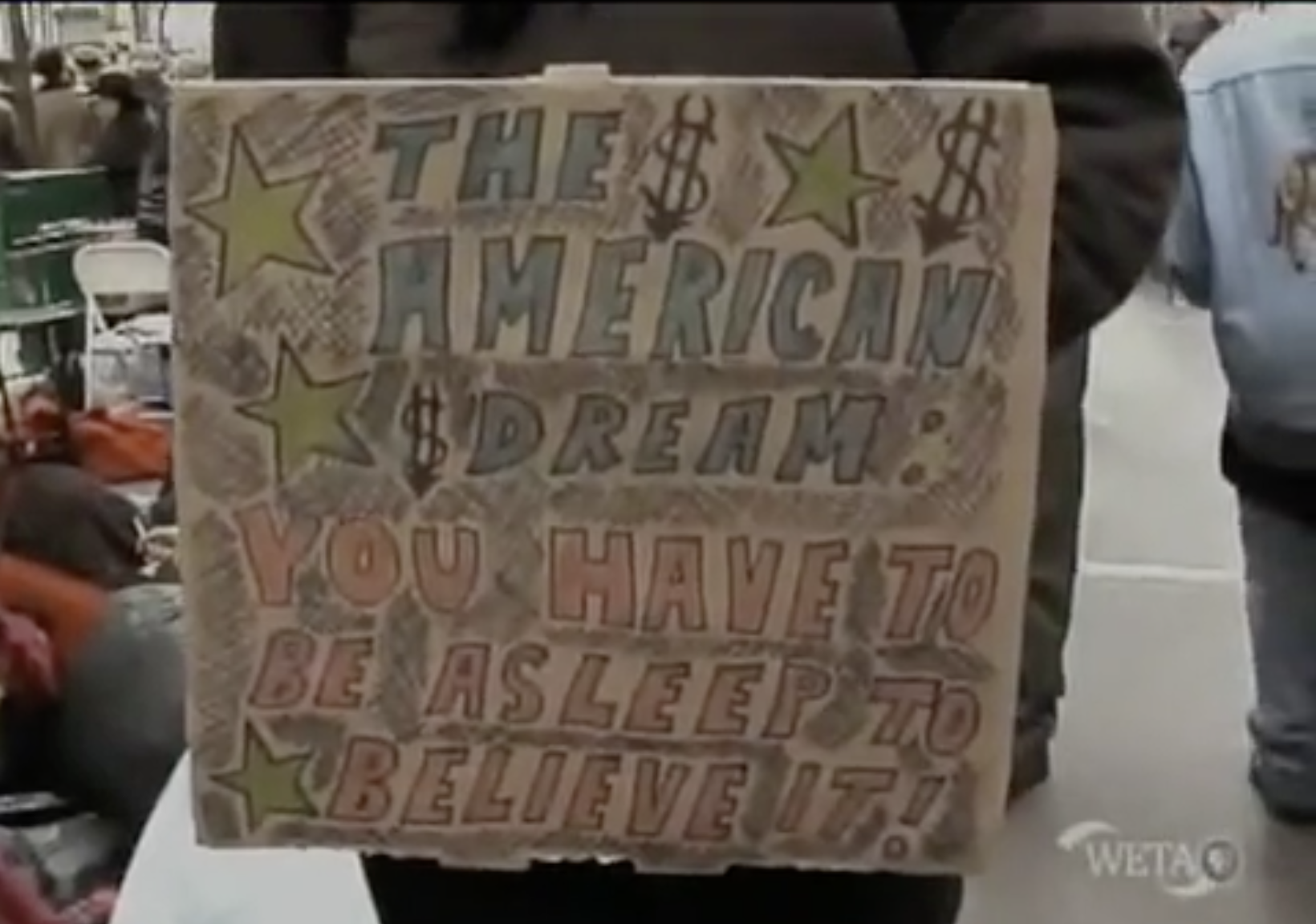
I have to say to that I think that the media did a really good job kind of sorting out the message for them. They might not have wanted the media to do that but they did. I mean they certainly didn't want that I agree. They didn't want that they wanted it to be a murky message and yet when you think about all that the attention this thing has gotten is really pretty phenomenal. Not just in Boston but across the country so with reports on the networks and radio and TV like this over and over and over again that that message got sifted in a way that was more helpful to them then that then they wanted to maybe my favorite my favorite sign that I saw was actually in New York was held by one of the Occupy people and it said we're here we're unclear get over it. That is what I think Jim is exactly right. That I think people have been saying gee we've been let down by a series of institutions right whether it's Congress or bank bailouts you know a bunch of people have just really sort of people at the top have not done what they needed to do to help people in the center and that's what
you're hearing from both sides and so I think they're successful in that sense. Although you're certainly right Tom that they they themselves could not articulate what the agenda was.

Leadership and the Tea Party and Occupy Movements (2011)

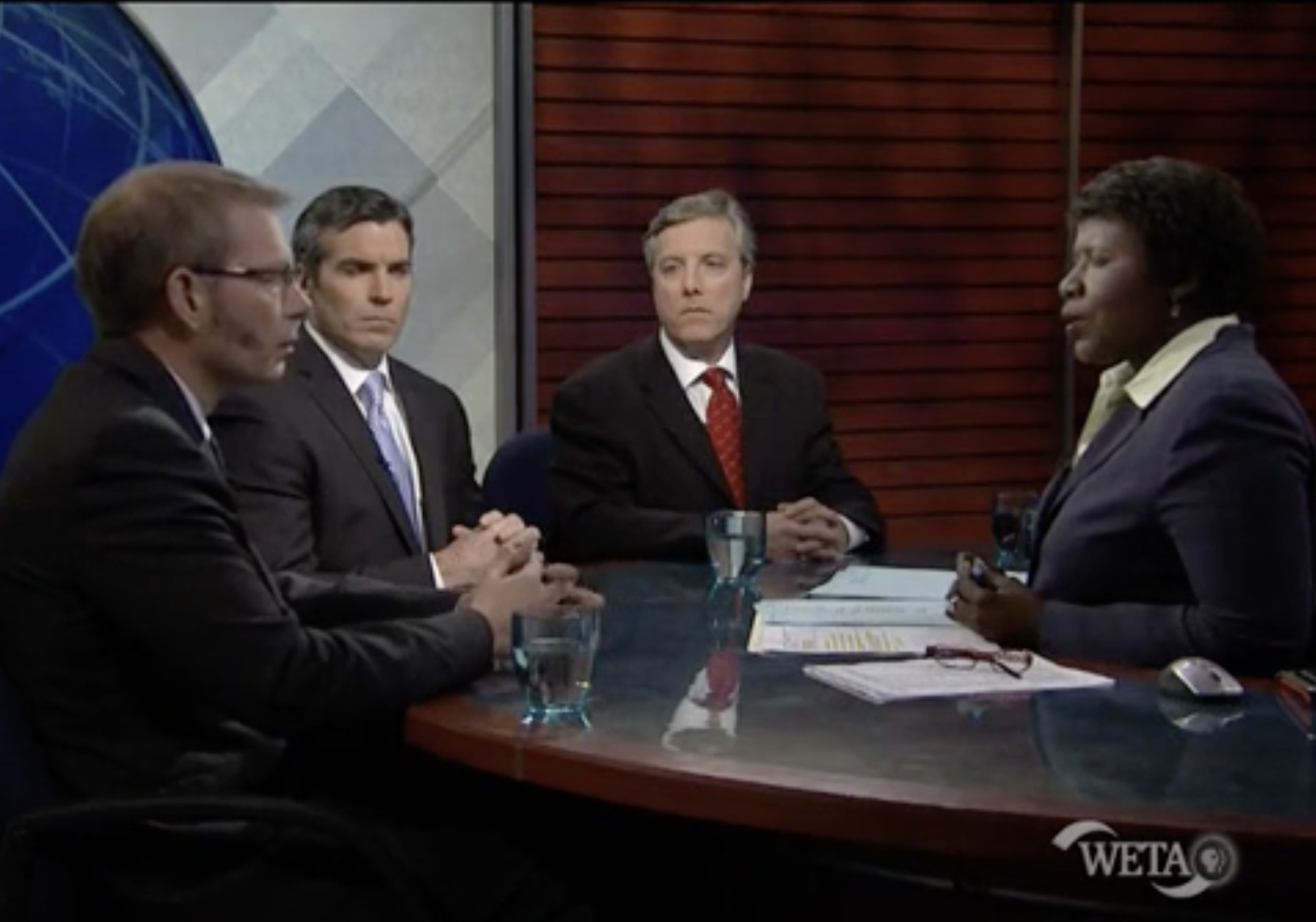
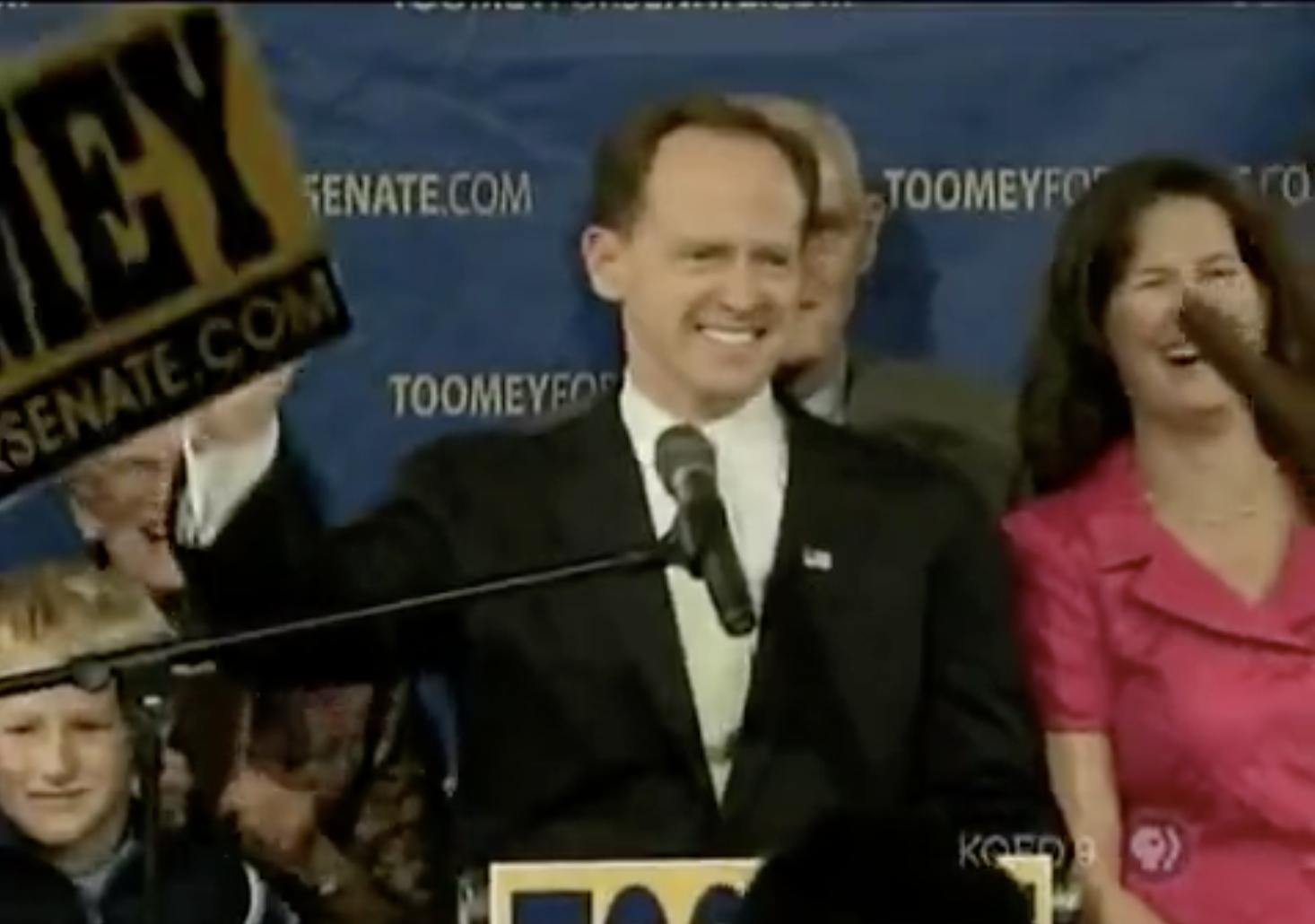
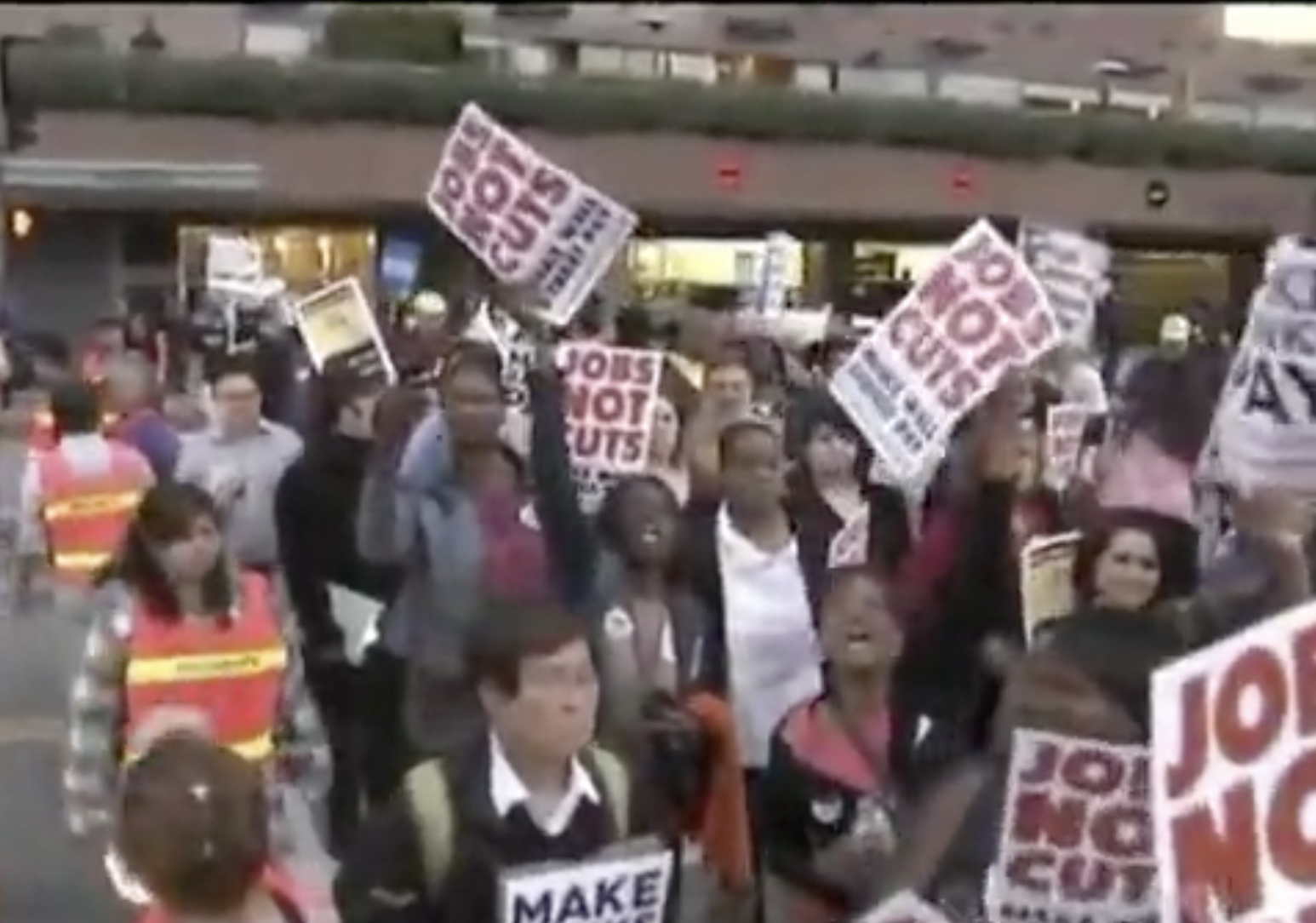
By the end of November 2011, panelists on The Emily Rooney Show (on WGBH in Boston) reflected on the impact of the Occupy movement in Boston and across the country. By that time, Occupy encampments that hadn’t already been closed down by local authorities dissipated as cold winter arrived. In this segment, the commentators explicitly compare the Occupy and Tea Party movements, arguing that the Occupy movement was leaderless, whereas leadership roles in the Tea Party were filled by politicians and various organizations, like Americans for Prosperity and Tea Party Patriots. Indeed, many liberals argued that these well-funded entities were engineering the Tea Party, and therefore the movement wasn’t an authentic expression of grassroots anger. Tea Party supporters challenged this characterization. The panelists consider what impact this leadership difference had on the movements’ coherence and effectiveness.

The Emily Rooney Show | WGBH | 2011 This video clip and associated transcript appear from 10:37 - 14:54 in the full record.

View Full Record