Margins of Error v. Margins of Victory: Voting Technologies and Election Math (2000)
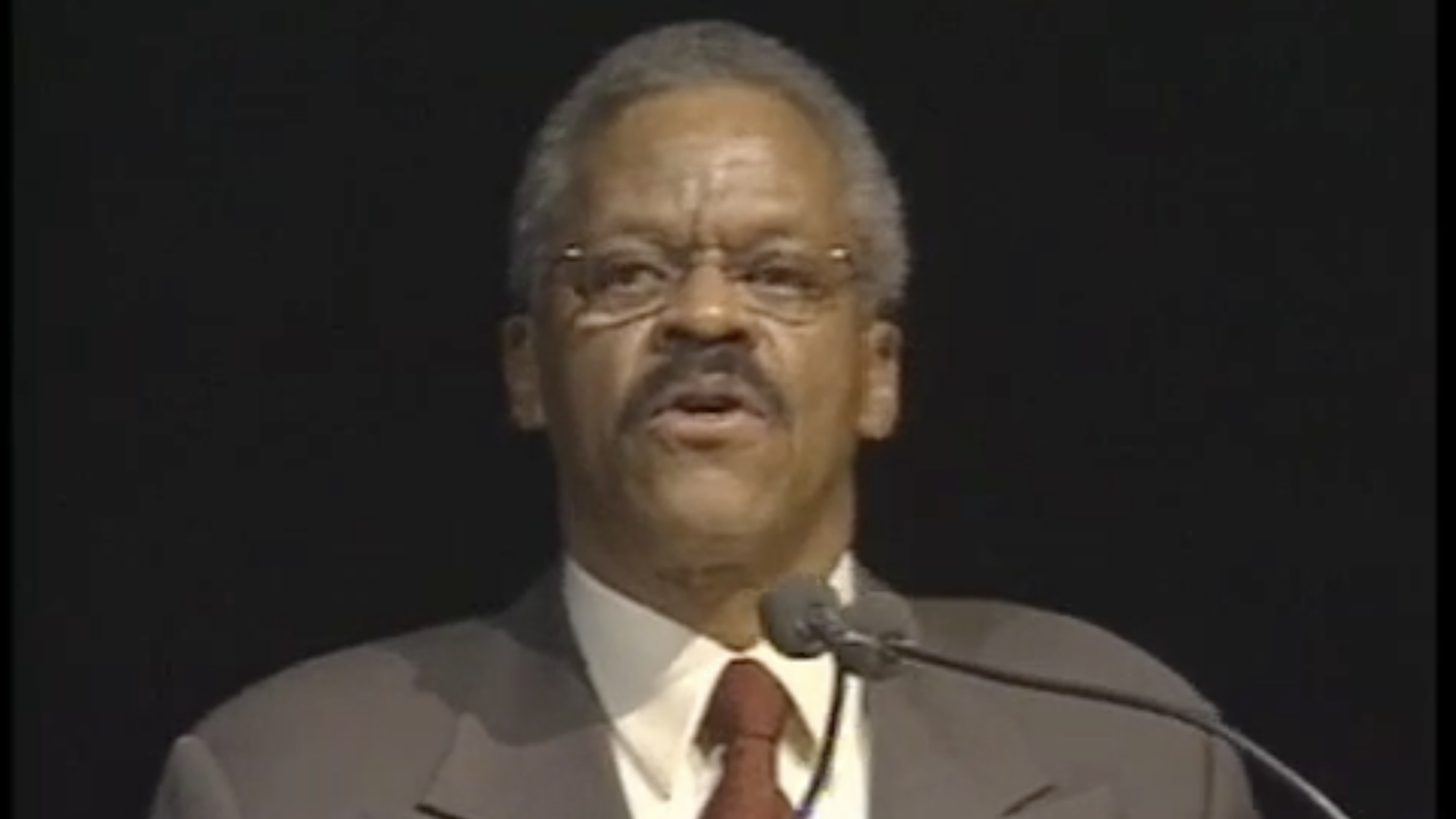
In one of the closest presidential elections in American history, Bush became president with only a few hundred total votes in the state of Florida, despite Gore winning the popular vote by a little over 500,000 votes nationwide. The recount efforts prompted analysts and mathematicians to consider what happens when the margins of victory are smaller than the statistical margins of error, and what role technology plays in casting and counting votes. This clip features an accessible discussion of mathematical concepts at play in such processes, as well as a debate about technological interventions like punch-card ballots, the infamous “hanging chads” in Florida recounts, and the fallibility of both humans and machines in the voting process.
The NewsHour with Jim Lehrer | NewsHour Productions (Television station : Washington, D.C..) | November 23, 2000 This video clip and associated transcript appear from 6:53 - 16:34 in the full record.
View Full Record Previewing the Polls: Absentee Ballots, Votes by Mail, and Exit Poll Data (2000)
 Election Night 2000: One of Political History’s Longest Nights (2000)
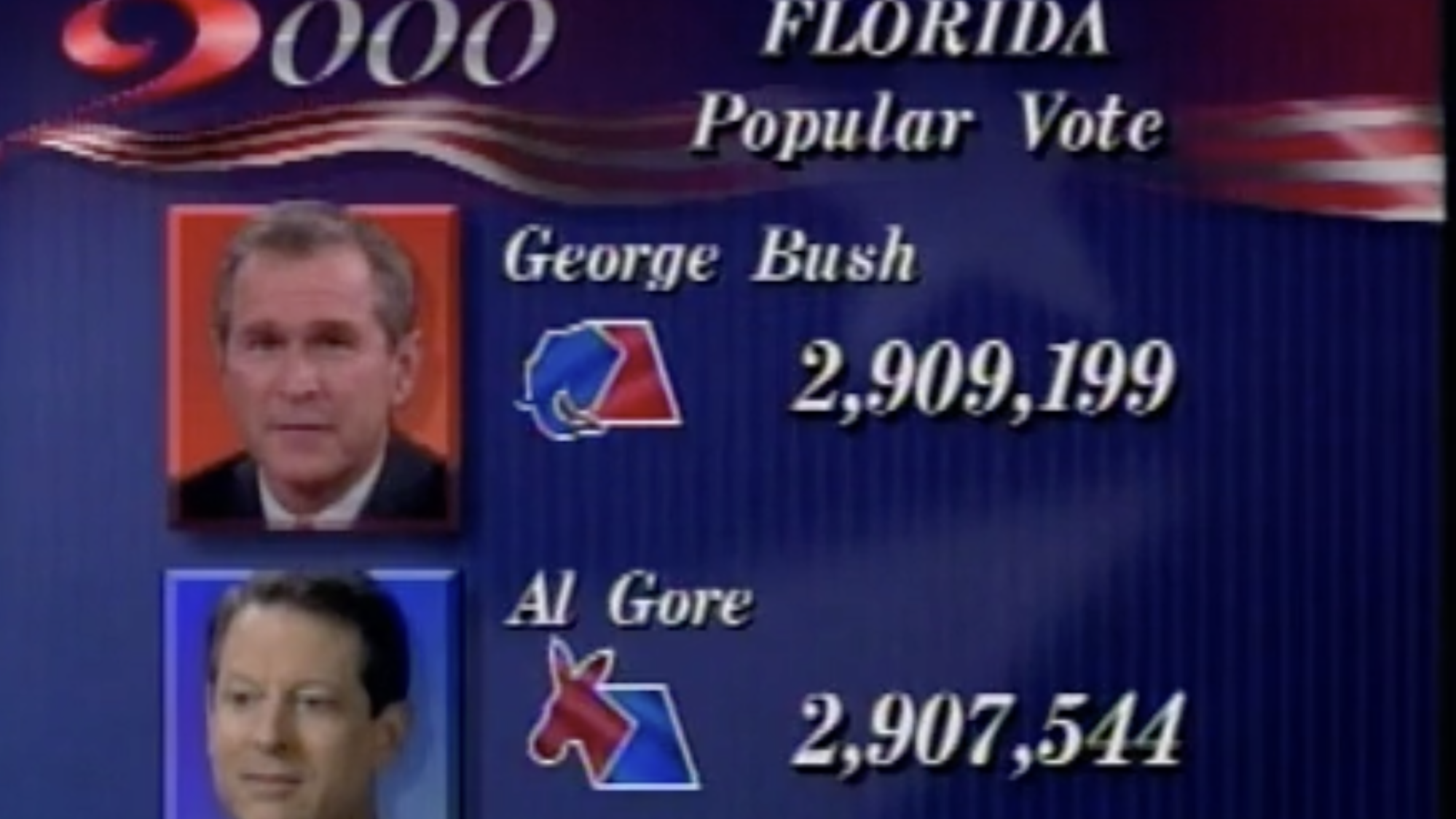 Assuring Faith and Confidence in the Electoral Process and the Rule of Law (2000)
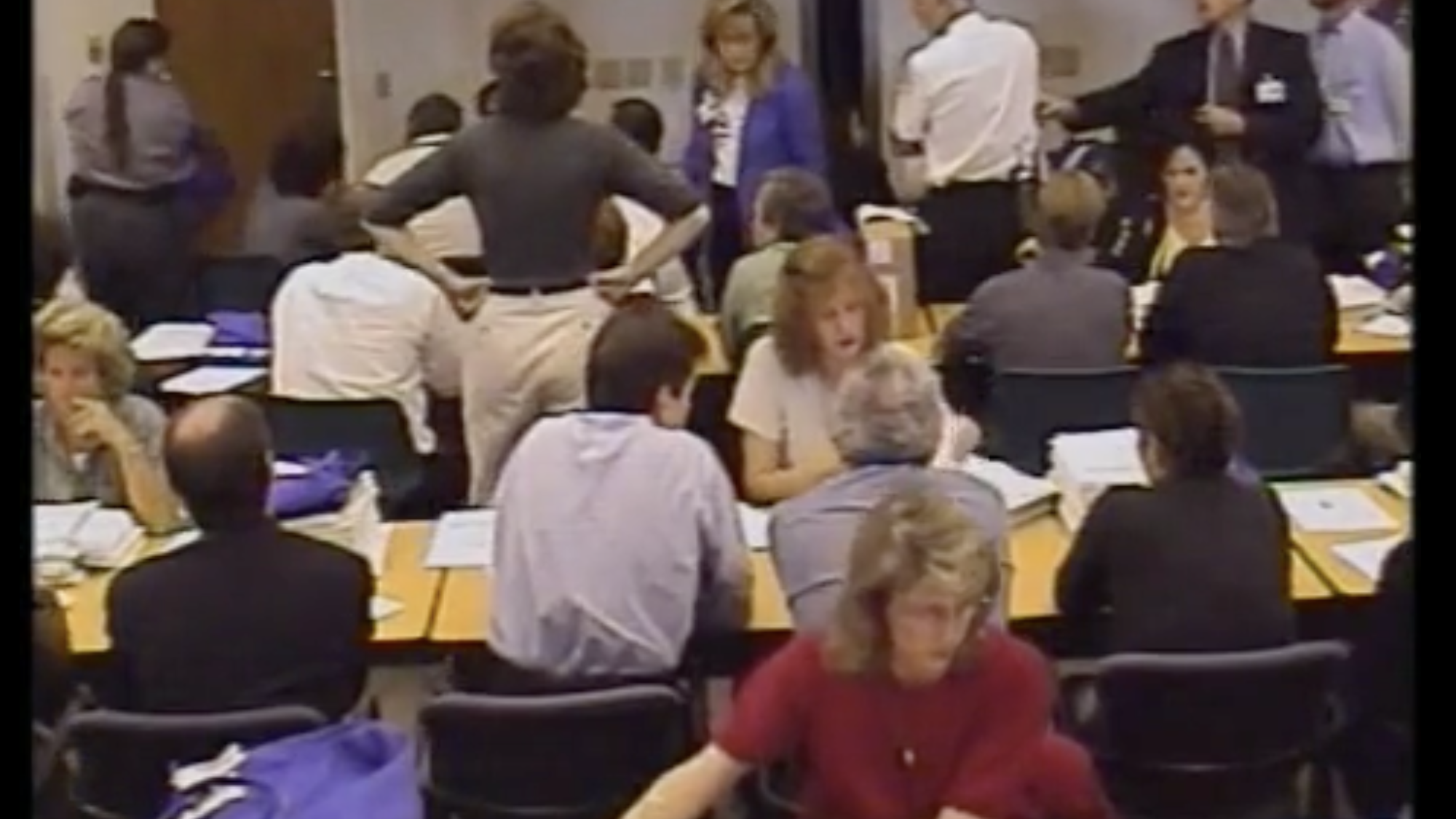 “History on Hold” as Election Officials Count and Recount Votes (2000)
 Formally Contesting Certified Election Results in Florida (2000)
 Debating the Role of the Electoral College (2000)
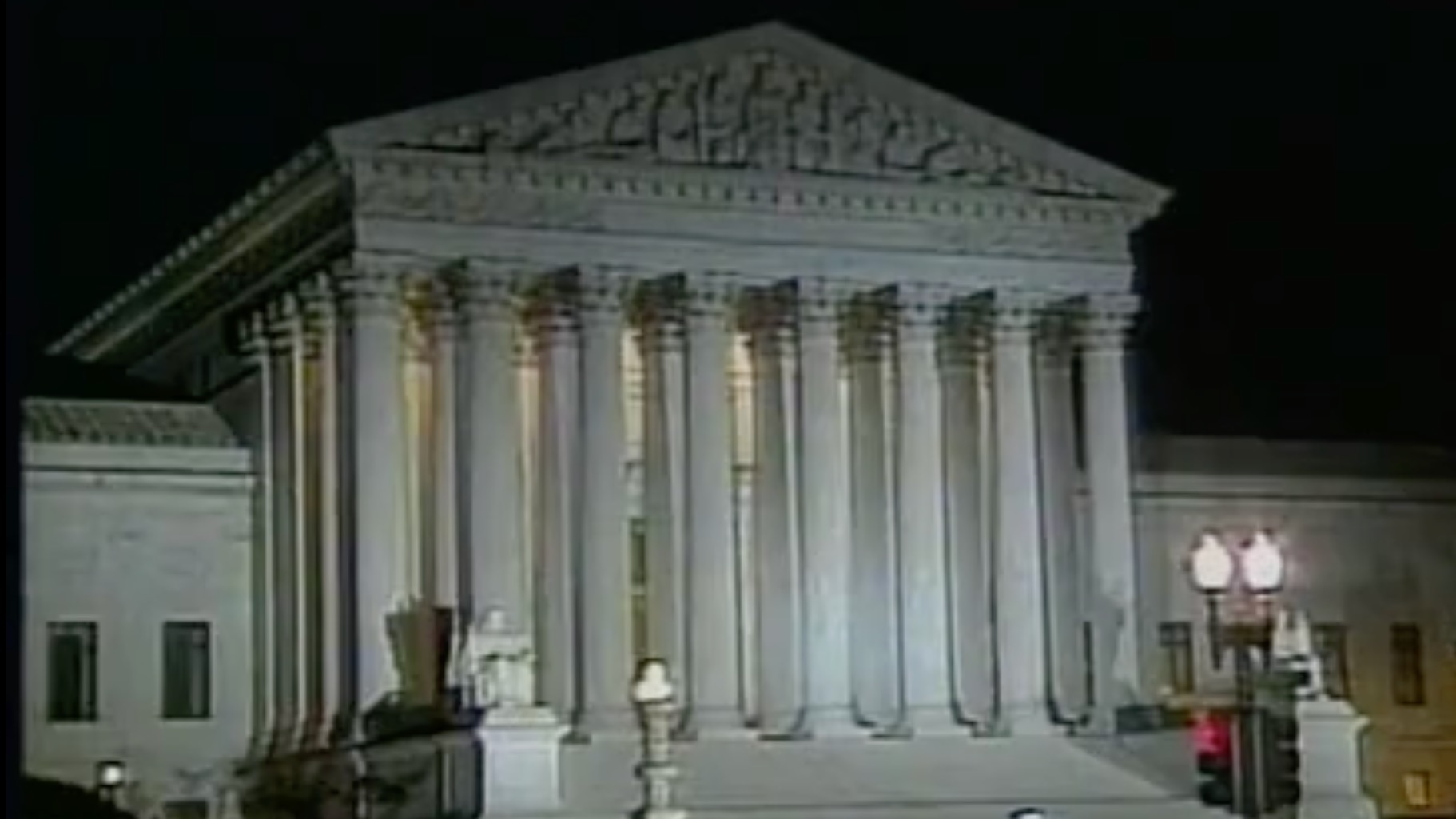 To Recount or Not to Recount: The U.S. Supreme Court Weighs In (2000)
 “A Journalistic Crime Against Accuracy?” Broadcast Reporter Regrets Election Night 2000 Coverage (2001)