“A Journalistic Crime Against Accuracy?” Broadcast Reporter Regrets Election Night 2000 Coverage (2001)
Bernard Shaw was an esteemed American journalist who was one of CNN’s main anchors of election night coverage of the 2000 presidential election. The following year, the Edward R. Murrow School of Communications at Washington State University presented him with the Edward R. Murrow Excellence in Journalism award. In his acceptance speech, Shaw confronts the dangers of television news distorting reality, and ultimately speaks out against the horse-race coverage style of live television reporting on November 7, 2000. In this clip, Shaw reflects on his role in what he calls “one of the most egregious acts of news media distortion” and “a journalistic crime against accuracy.” He recounts the pressures of competition and the rush to be first to project a winner on election night, and implores Americans and aspiring journalists to learn from that moment just how important the role of news outlets is to maintain trust and credibility for the sake of democracy.
WSU Presents | Northwest Public Television (Television station : Pullman, W.A..) | April 18, 2001 This video clip and associated transcript appear from 37:34 - 42:01 in the full record.
View Full Record Previewing the Polls: Absentee Ballots, Votes by Mail, and Exit Poll Data (2000)
 Election Night 2000: One of Political History’s Longest Nights (2000)
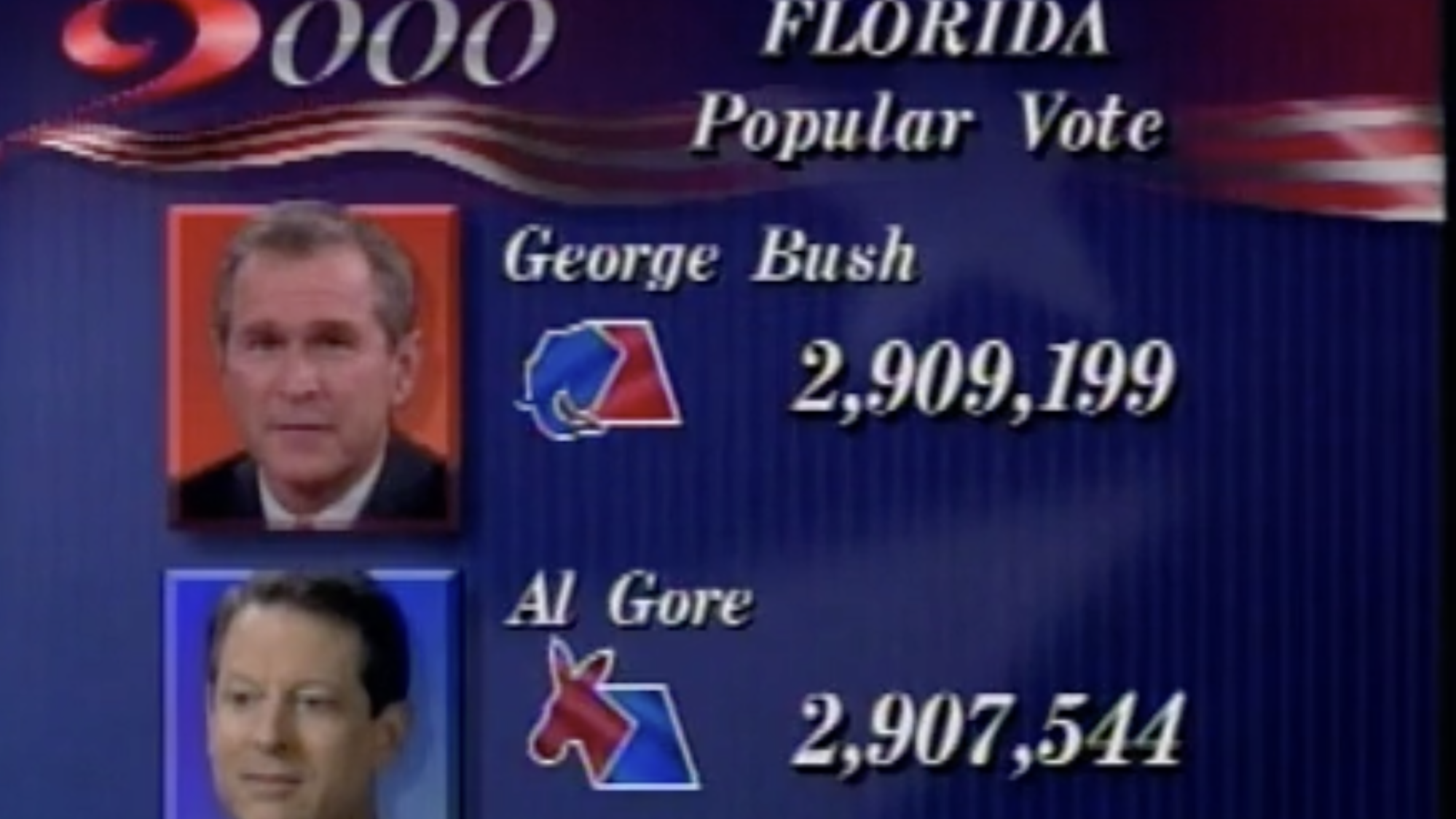 Assuring Faith and Confidence in the Electoral Process and the Rule of Law (2000)
 “History on Hold” as Election Officials Count and Recount Votes (2000)
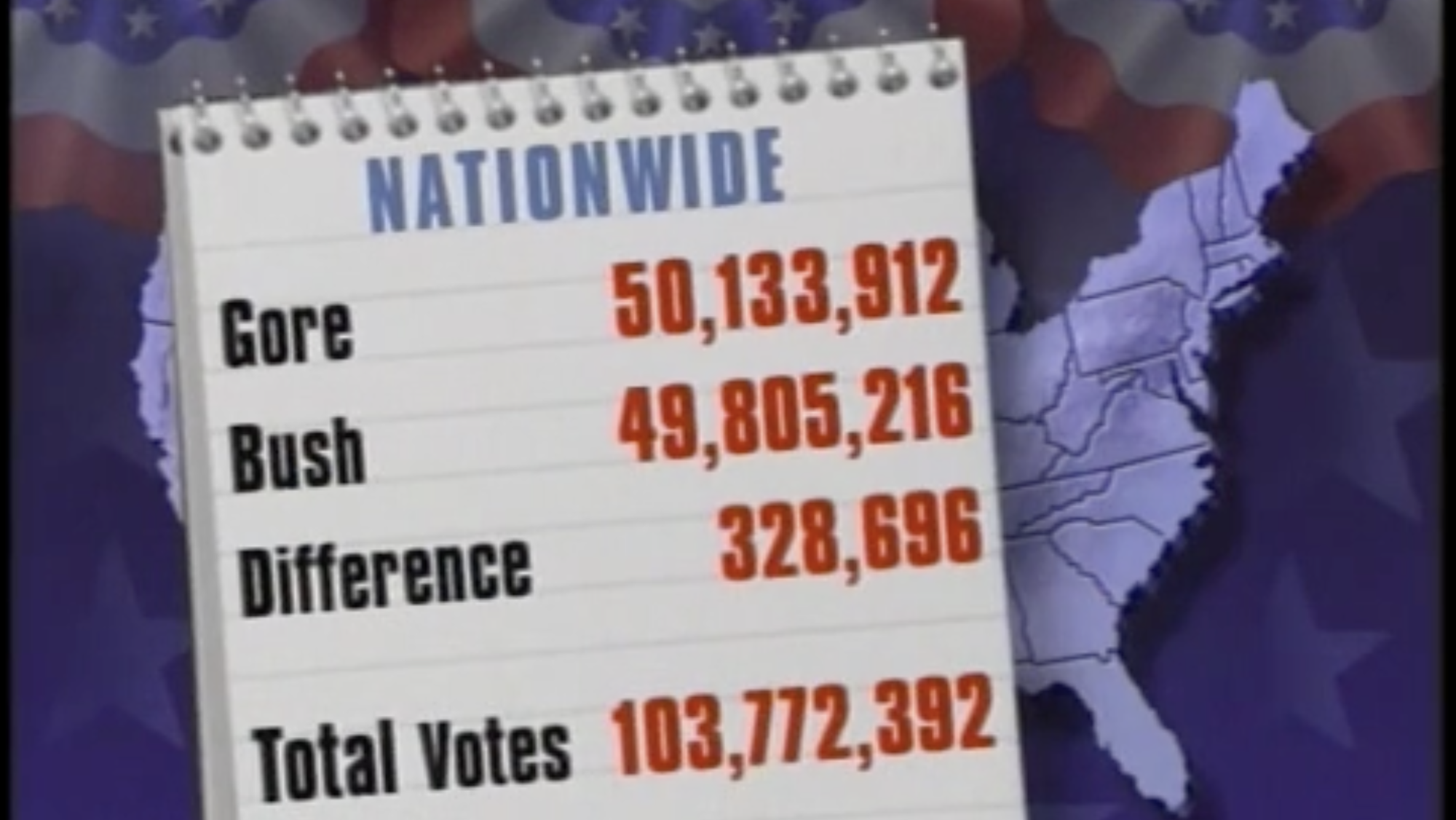 Margins of Error v. Margins of Victory: Voting Technologies and Election Math (2000)
 Formally Contesting Certified Election Results in Florida (2000)
 Debating the Role of the Electoral College (2000)
 To Recount or Not to Recount: The U.S. Supreme Court Weighs In (2000)