The Los Angeles Riots

Created By

Ben Leff, Teaching Associate, University Laboratory High School (Urbana, Illinois)


Subjects
  • Conservative Resurgence and Social Change, 1964–2000: Domestic Politics

Introduction & Context

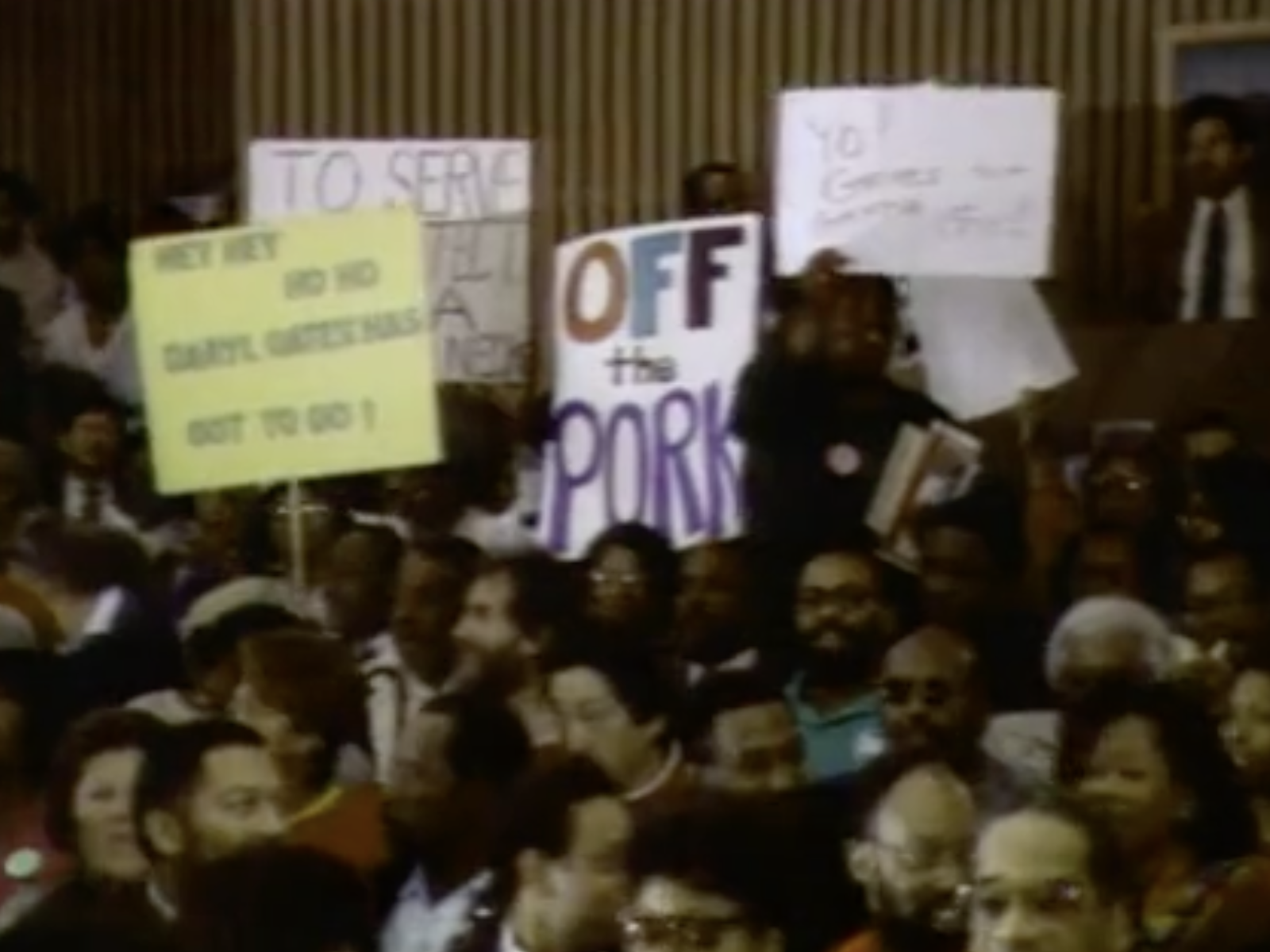
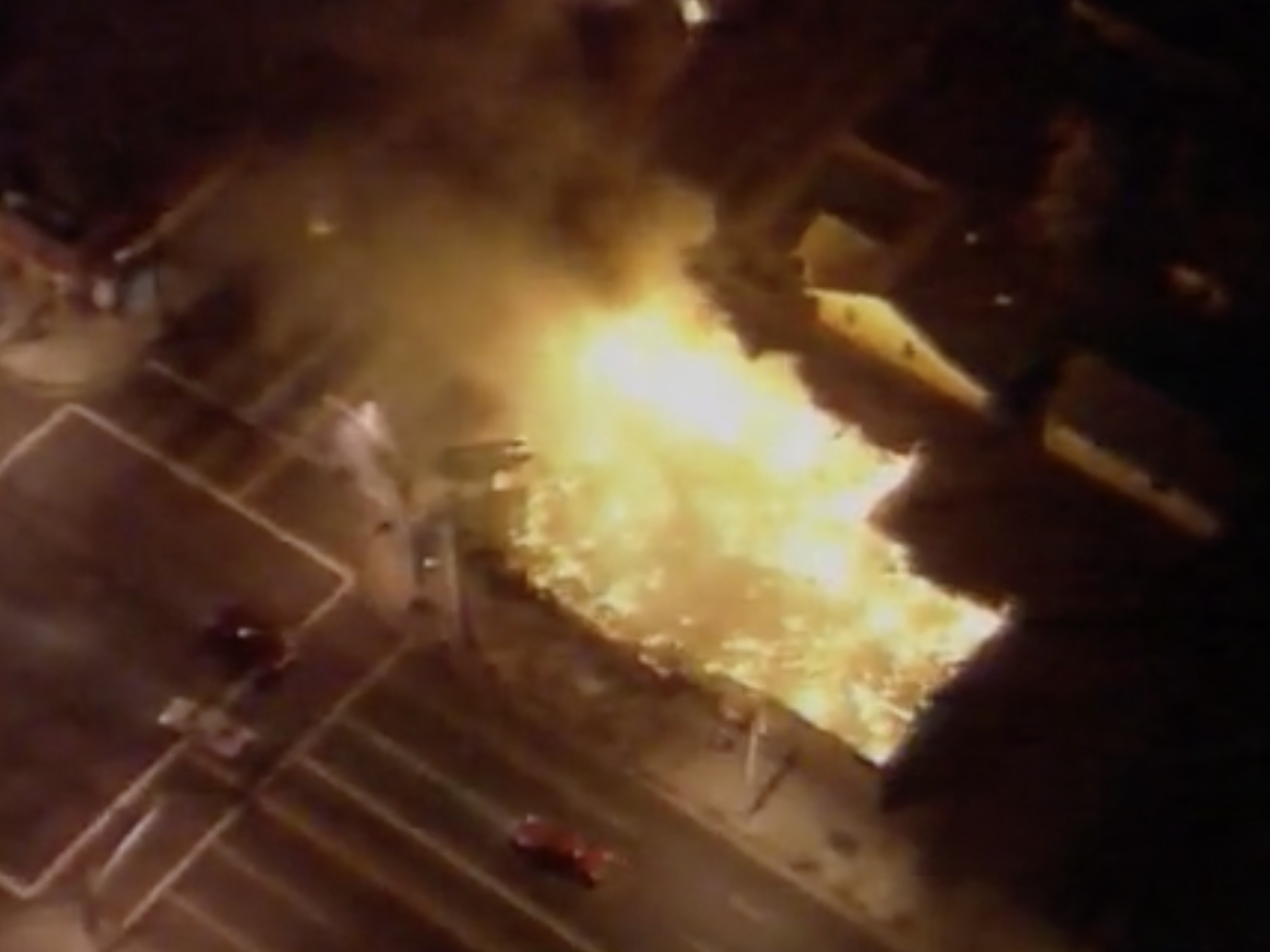
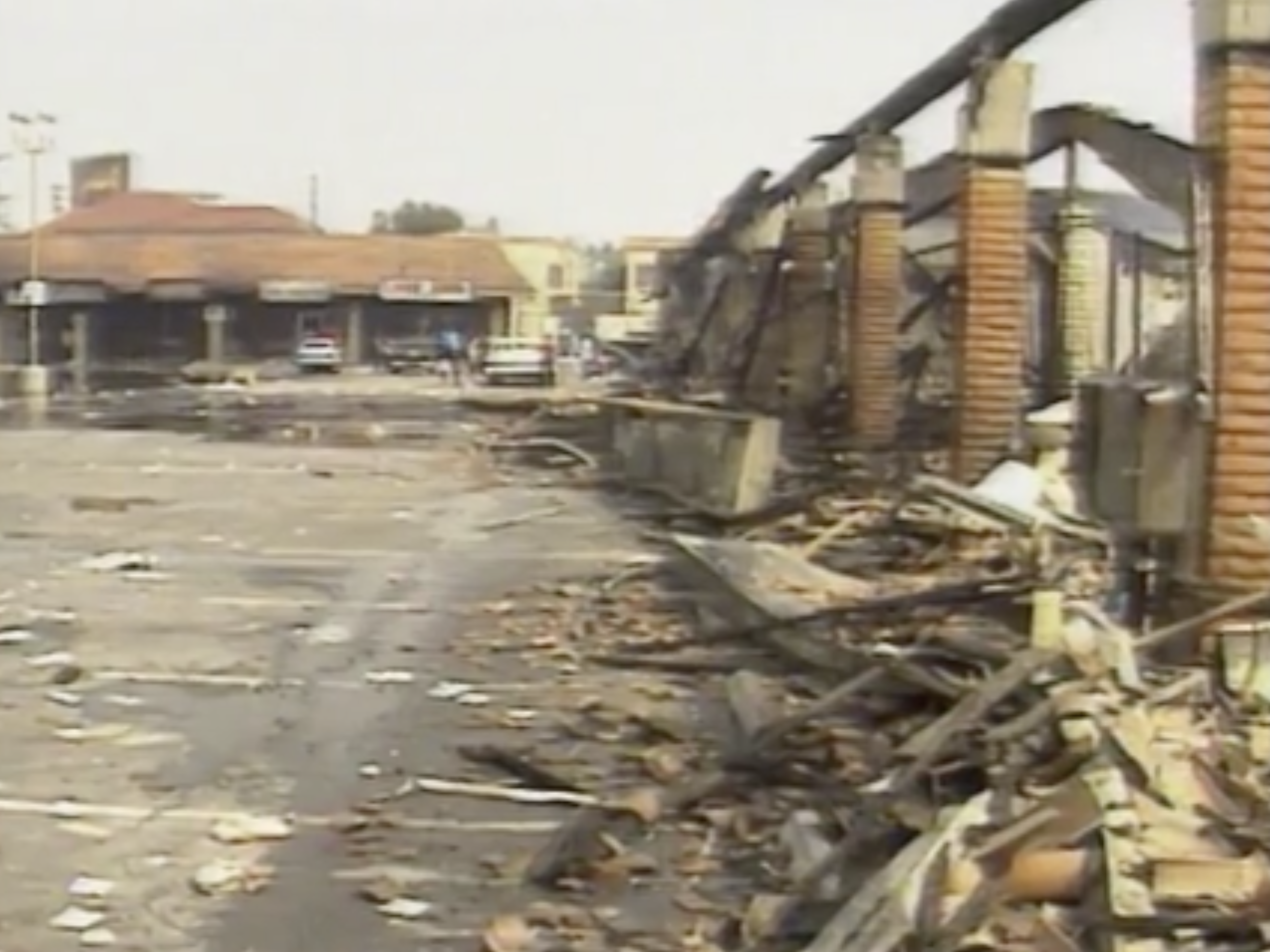
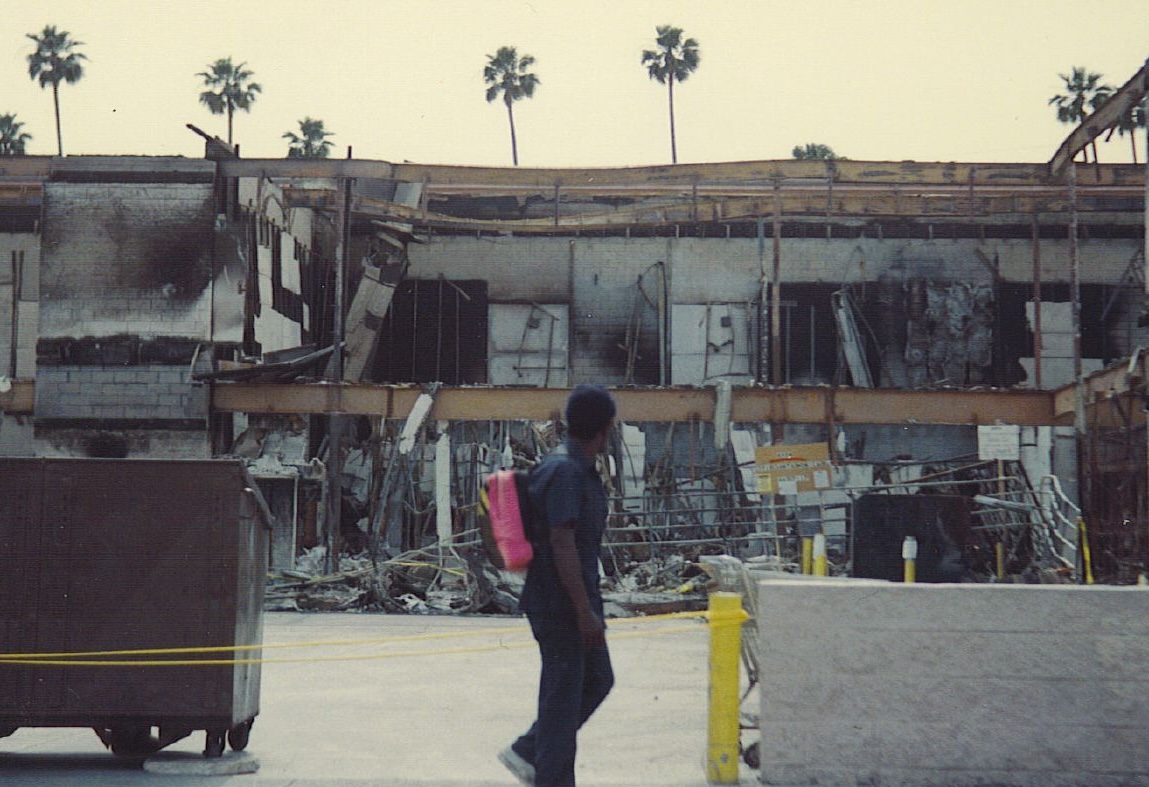
On April 29, 1992, when four white Los Angeles police officers were found not guilty of assaulting Black citizen Rodney King, Los Angeles exploded. Most LA residents expected a guilty verdict, as the evidence seemed unambiguous. The news media had repeatedly aired videotaped footage of the officers beating King for over a minute without any clear sign of resistance. Upon the officers’ acquittal, infuriated community members in the Black neighborhood of South Central Los Angeles (now South Los Angeles) took to the streets and churches to protest. While most citizens remained peaceful, some angry residents of South Central became destructive and violent. Police officers, overwhelmed and outnumbered, retreated from the scene, and a night of looting, property destruction, and violence commenced. At the end of the six days of chaotic unrest that became known as the LA Riots, 60 people were dead, LA neighborhoods were in shambles, and looting and destruction had resulted in hundreds of millions of dollars in property damage. Notably, this unrest was overwhelmingly concentrated in LA’s impoverished neighborhoods populated largely by Blacks and Latinos.

Viewers in LA and across the U.S. watched the events unfold on live TV. Scenes of burning buildings, brazen looting, and brutal attacks on bystanders captivated and shocked Americans. For many onlookers, even some of those who thought the officers’ acquittal represented a miscarriage of justice, the violence and destruction were wholly unjustified. Other Americans argued that the so-called riots were better understood as a righteous uprising—a rebellion of oppressed racial minority groups against discrimination and injustice. Others still did not condone the violence, but felt it was important to understand and address the underlying social problems that led to the violence. Even today, Americans of diverse backgrounds and perspectives debate what those exact problems were. Was Rodney King’s beating (and the officers’ acquittal) symptomatic of systemic police brutality? Did the riots indicate a greater need for government intervention on behalf of the poor, or were they a sign that existing social welfare programs had failed? How much had the treatment and socioeconomic position of racial minority groups really changed since the Civil Rights Movement and urban riots of the 1960s? The LA Riots forced Americans to grapple with these and other difficult questions about race, poverty, criminal justice, and inequality.
Read More +

Teaching Tips Download PDF

The sources in this set contextualize the LA Riots as well as introduce the political debates that emerged in the aftermath of the unrest. The first several sources provide relevant historical background about the Rodney King beating and the deeper issue of police brutality, as well as introduce students to the socioeconomic conditions in early 1990s Los Angeles. Other sources seek to capture the events that comprised the LA Riots—the looting, destruction, and violence that followed the Rodney King verdict—while also providing multiple angles on the upheaval by showing what transpired in diverse, local communities. The remaining sources survey various responses to the unrest, casting light on some of the social and political debates that emerged in the riots’ aftermath. Collectively, the set allows students to better understand why Los Angeles exploded in 1992, how the riots impacted the lives of LA residents, and how Americans understood the events through their own perspective and experience.

Background Information

Before engaging with this resource set, students should be familiar with the following:

  • The Black Freedom Struggle
  • Conditions in American cities in the late 20th century


Essential Question

What social problems and debates were illuminated by the Los Angeles Riots of 1992?


General Discussion Questions

  • The direct catalyst for the LA Riots was the acquittal of the police officers videotaped beating Rodney King. What deeper causes do you think help explain why the response to the verdict was so dramatic?
  • Los Angeles in 1992 was a very diverse, multi-ethnic city. How were people’s views of the LA Riots shaped by their own identity and experience?
  • What parallels do you see between the LA Riots and other events in U.S. history?


Classroom Activities

Rodney King, Police Brutality, and the Los Angeles Riots

Ask students to watch some or all of:

Then discuss the following questions:

  • Based on what you’ve seen in the clips, what criticisms did people seem to have of the Los Angeles Police Department? How might defenders of the LAPD have responded to those criticisms?
  • LAPD critics would be the first to tell you that Rodney King was not the first victim of police brutality. What was it about the King beating that captured public imagination in Los Angeles and beyond? Why did the acquittal of the police officers in the Rodney King trial incite such a strong response from LA residents?
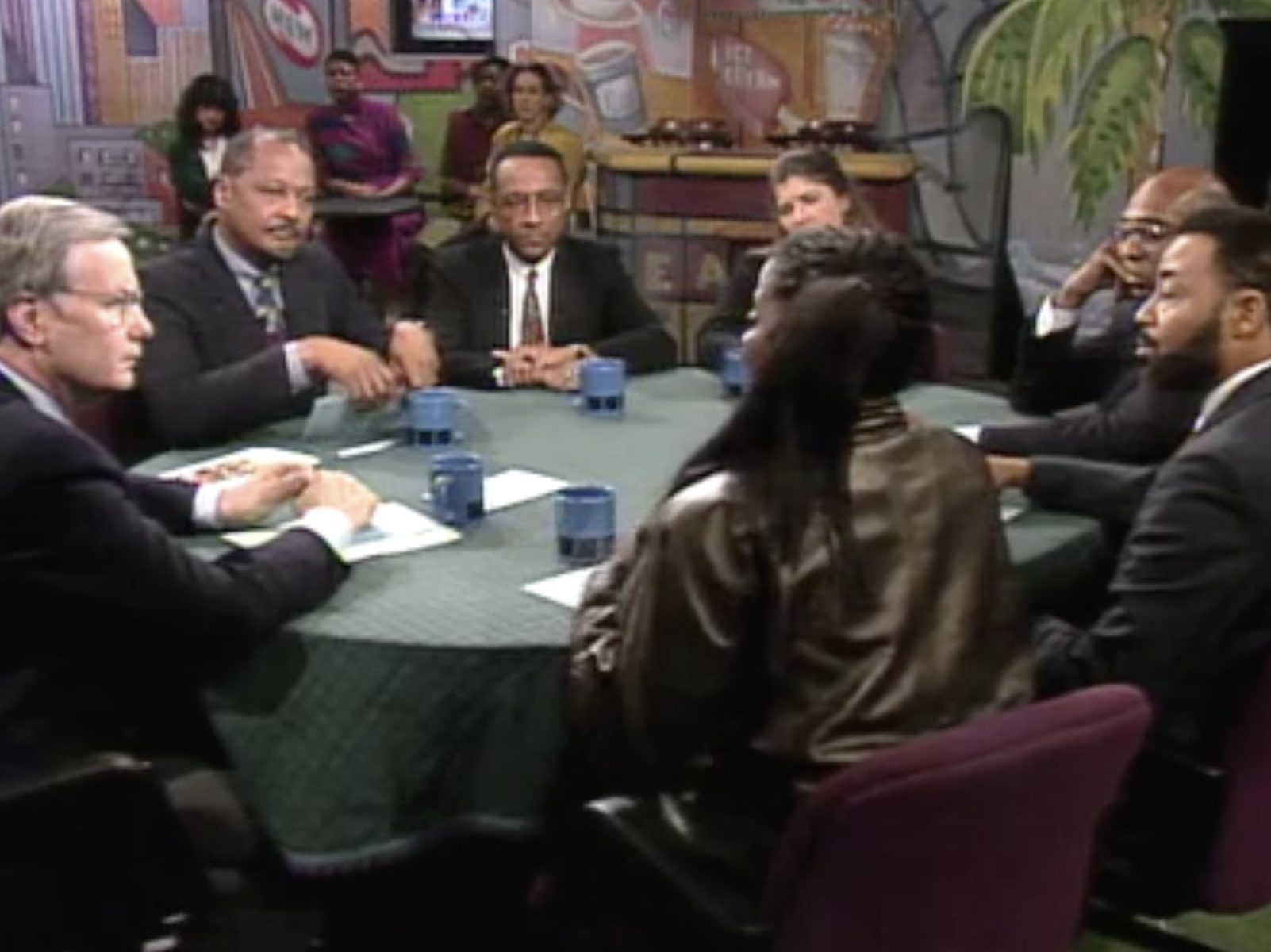
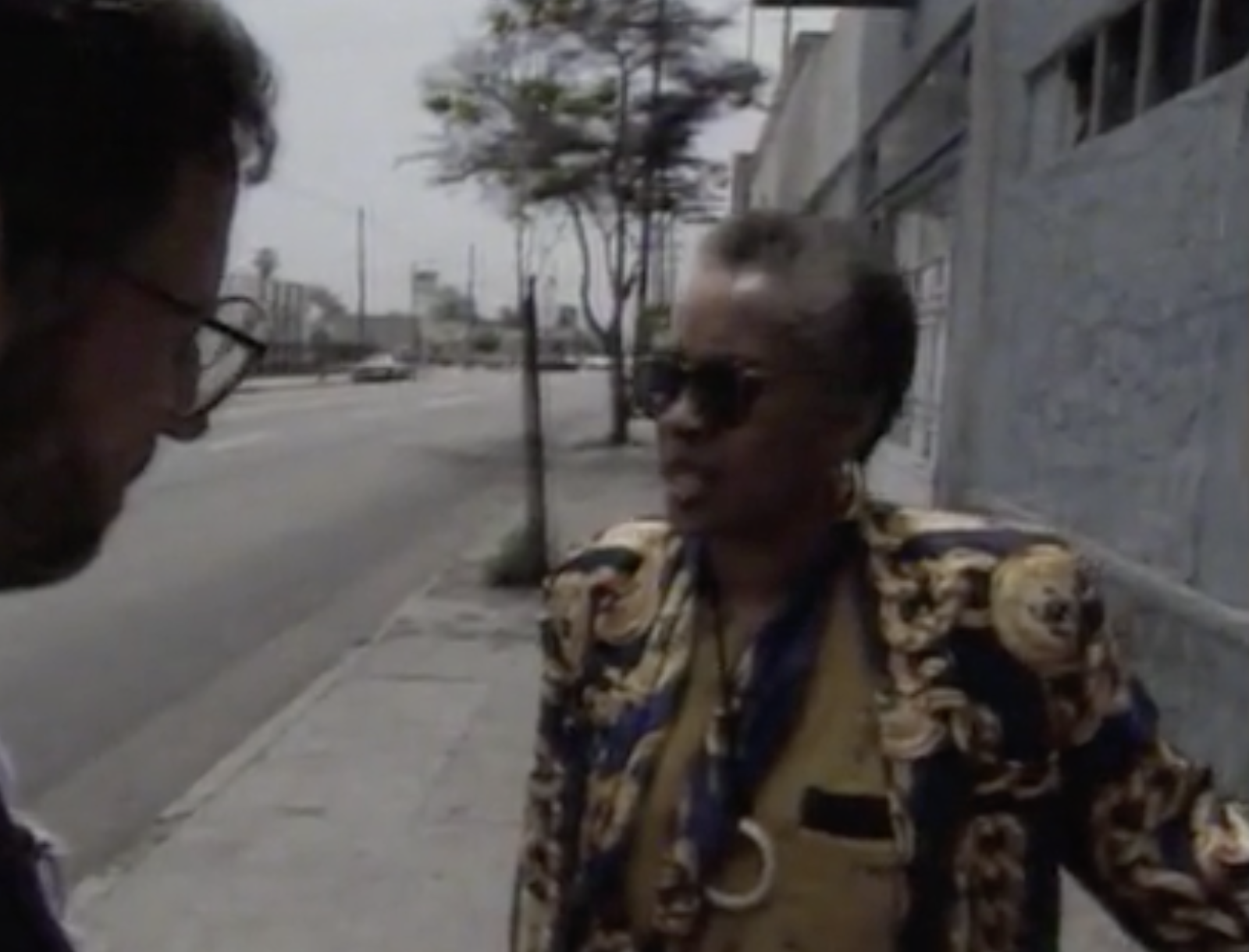
Race and the Los Angeles Riots

Ask students to watch some or all of:

Then discuss the following questions:

  • Think about what these clips show about the experiences of Black, Latino, and Korean residents of Los Angeles. What similarities were there between how these racial/ethnic groups experienced the Riots? How did these racial groups experience the unrest differently?
  • Think about the way people talk about race in these clips. What are some disagreements people have about the role race plays in American society?
Identifying the “Deeper” Causes of the Los Angeles Riots

Ask students to watch some or all of:

While the acquittal of the police officers in the Rodney King trial was clearly the catalyst to the LA Riots, different community members, commentators, activists and politicians identified different deeper causes underlying the unrest. Ask students to discuss the following questions:

  • In the sources you watched, what were some of the root causes that speakers identified?
  • What are some solutions to social problems that you see offered in these sources?
  • Why do you think that looting and destruction was more widespread in Pico Union than in East Los Angeles?
  • What might that comparison reveal about the causes of the LA Riots?

Think about the identities of different speakers who are offering their interpretations of the LA Riots.

  • How do you think these speakers’ views and experiences of the Riots were shaped by their own personal background (their race? their class? where they lived?)?
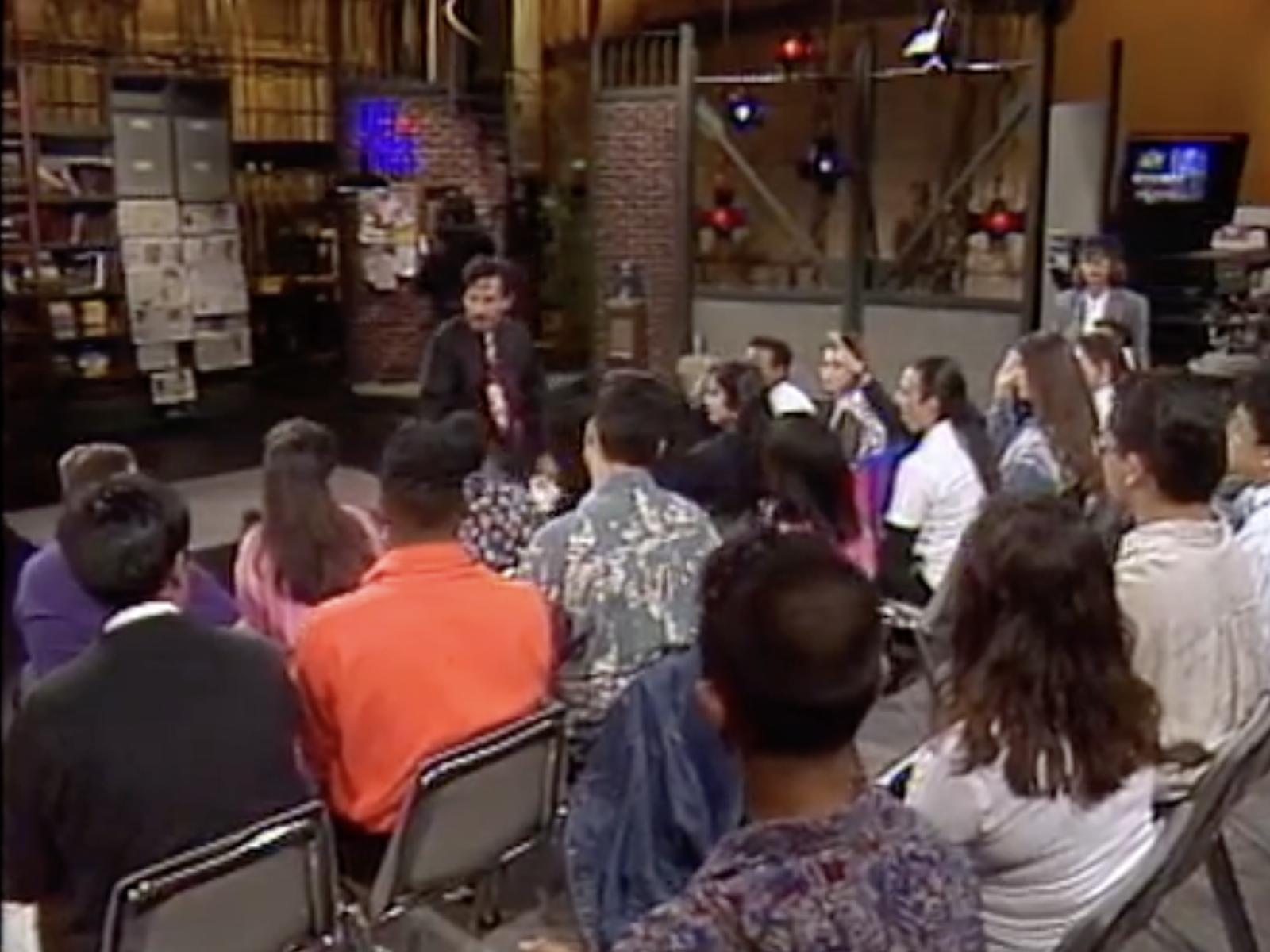
Media Coverage and the Legacy of the LA Riots

Ask students to watch some or all of

Then discuss the following questions:

  • What are some choices that members of the media made about how to cover the LA Riots (and other related events that come up in this set)? How could one criticize some of these choices? How could one defend some of these choices?
  • Do you think media coverage played any role in causing the LA Riots? How do you think media coverage of the unrest shaped people’s understandings of the Riots?
  • Several interviewees in these clips blame the media for perpetuating stereotypes about certain groups of people. What role do you think the media plays in shaping people’s views of other racial groups? What role do you think personal experience plays?
  • Can you think of times in your own life when you saw footage of a dramatic public event (on television or social media)? What are some examples of how images and videos can have a large impact on politics?