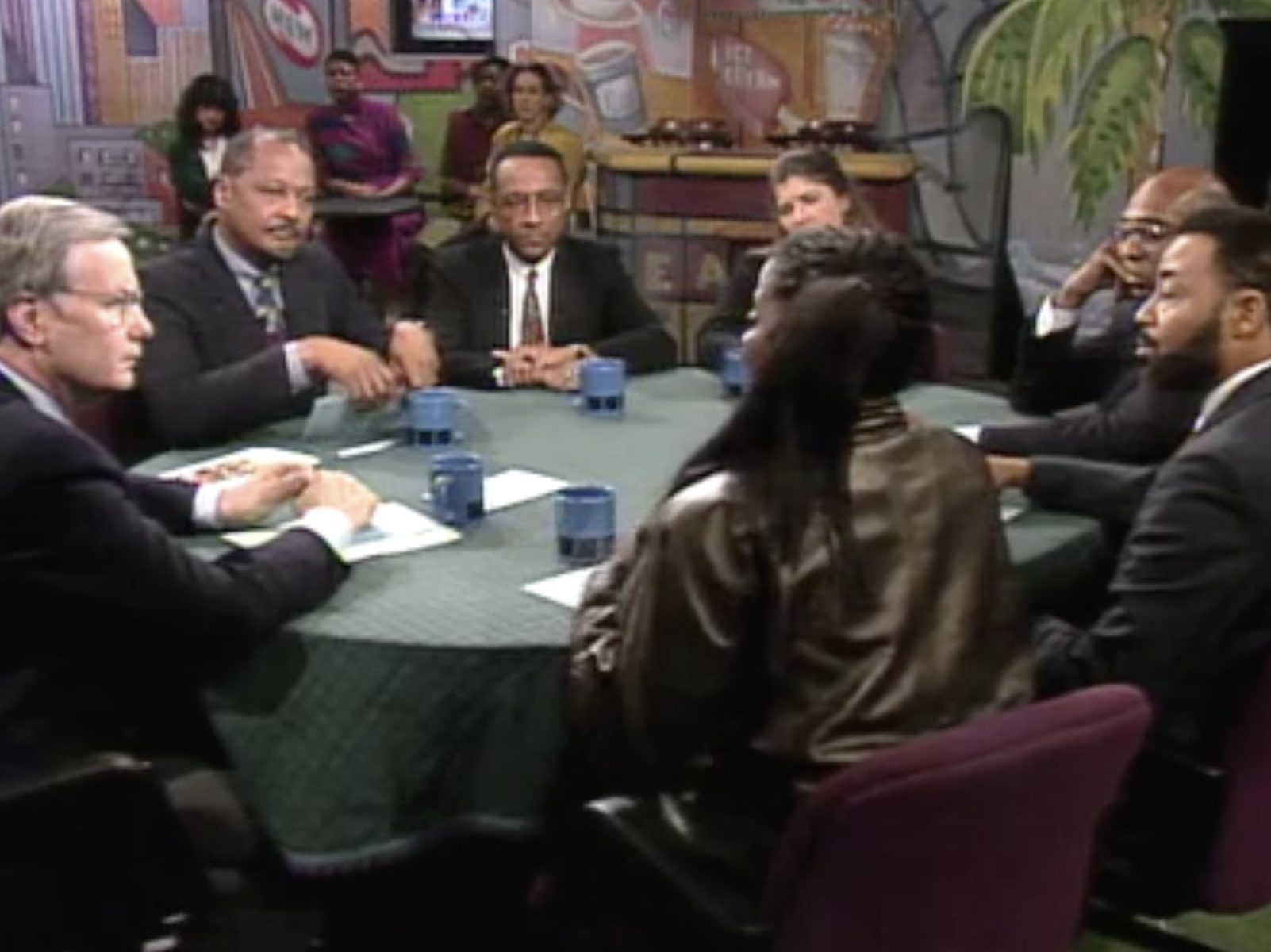
<v Sarah Chee>concentrating on your own suffering and your own victimization. <v Sarah Chee>Try to understand. And accountability is not just about individuals, it's about the <v Sarah Chee>government. Because the people in the government are the people who are racist, and they <v Sarah Chee>have the power to- to implement systems, implement programs that will <v Sarah Chee>directly affect people and that will directly affect the people that they are racist- the <v Sarah Chee>rac- the racist attitudes are against. <v Hugh Hewitt>Rubin, John Hong has a comment. <v John Hong>I agree with her. Uh but we shouldn't totally, you know, deply- uh apply <v John Hong>on the government to, you know, fix everything. <v John Hong>Government has something to do with it, but it all come back to us. <v John Hong>And, you know, the- all the looting and all the riots, you <v John Hong>know, it's lack of communication. Nobody talks. <v Patt Morrison>Thomas Hong. <v Thomas Hong>Yeah, I'm from UCLA and um I- our parents own the shop in, you know, Manchester <v Thomas Hong>and Broadway, so it was one of the first stores to get, you know, burned down and looted. <v Thomas Hong>And what this gentleman said that, of course, the government has some something, some <v Thomas Hong>sort of a role in this, but you're talking about personal individual, you're talking <v Thomas Hong>about what the media has always portrayed, you know, the looters as hoodlums, people who
<v Thomas Hong>have no morals whatsoever. But my my rage, you know, this show is about rage, my rage <v Thomas Hong>isn't, you know, toward that- those looters, towards the people who are, you know, the <v Thomas Hong>victims of this community. It's towards accountability which is lacking in our <v Thomas Hong>government. Our government has accountability to citizens. <v Thomas Hong>If the citizens are desperate enough to actually go out there and start looting, start <v Thomas Hong>burning, then whose fault is that? <v Ruben Martinez>OK. I sense there's a lot of anger, a lot of tension here. <v Ruben Martinez>People are angry at what? You're talking about accountability among elected officials, <v Ruben Martinez>perhaps, police, who else? Who are people angry at? <v Annalisa Lajeunesse>I basically think it- we need to get off the race issue because the media has- <v Annalisa Lajeunesse>has said so much, like blacks and whites and Hispanics, we need to get over all <v Annalisa Lajeunesse>the different races. It's more of social and economic problems. <v Annalisa Lajeunesse>It's not just the race. <v Speaker>I have to dis- the- the total economic and social problems in America <v Speaker>is because of race. It's not because of anything else. <v Speaker>It's because of the race of the people who are socially and economically depressed.
<v Annalisa Lajeunesse>I know. But we also- we have to stop blaming other people. <v Annalisa Lajeunesse>We have to stop blaming the government for things, because if you notice, <v Annalisa Lajeunesse>we- all we want is, I mean, even our culture or our- if <v Annalisa Lajeunesse>you want to start getting into, oh, like minorities or whatever, we have to <v Annalisa Lajeunesse>stop getting over...never mind. <v Speaker>Who controls the social programs though? <v Ruben Martinez>OK, let me ask- let me ask- let me- let me- let me frame the question here. <v Ruben Martinez>Everybody sitting together here, they use the term multicultural to talk about Los <v Ruben Martinez>Angeles, right? Well, we have a little multicultural group here. <v Ruben Martinez>Everybody's getting along more or less. Right? <v Ruben Martinez>But obviously, things, when we go back out on the street, it's not like that anymore. <v Ruben Martinez>Why does it break down like that? Where is the anger coming from? <v Michael Thomas>Years of oppression. You have years of being bound, kept back, and then you go, <v Michael Thomas>it's not a racial thing. It's not a racial thing. But it really is a racial thing. <v Michael Thomas>I mean, if you can't get a job or you've been trying to get a job, in some ways the <v Michael Thomas>system is set up to keep you back each step you take. <v Michael Thomas>But if you take three steps forward-. <v Ruben Martinez>Okay, let's- let's get some other- let's get- <v Hugh Hewitt>Rodney Prince over here, Ruben.
<v Rodney Prince>The government has actively participated in passive racism for hundreds and hundreds of <v Rodney Prince>years. It's a conspiratory silencing and it goes on and we- we've- all this time, <v Rodney Prince>we've perpetuated it and we've let it go on and it's- it's erupted. <v Rodney Prince>And this is what this is all about. It is about race. <v Hugh Hewitt>Back row. <v Ruben Martinez>Back in the back row. William Pedranti, where are you from, William? <v William Pedranti>Uh I'm a student at USC. Uh I would disagree with that. <v William Pedranti>I don't doubt that for hundreds of years that there has- or in the past there's been <v William Pedranti>racism of all boundaries going black, white, Korean, Asian, Chinese, all over the world. <v William Pedranti>And I don't- I don't doubt it exists, but I think that if we keep looking back at what <v William Pedranti>happened and- and- <v Ruben Martinez>So what are you feeling right now with all these voices that you're hearing, what is your <v Ruben Martinez>response, emotional response to it? Do you feel like you're being cornered here? <v William Pedranti>Well, yeah, I do. I think that when a lot of people immediately assume- they say racism, <v William Pedranti>that we've been held oppressed, I think they look at the majority of the people in this <v William Pedranti>country, ethnicities are like mine, Caucasian, and they immediately assume that we're <v William Pedranti>being oppressed. And if there's true racism going on, if there's whites and there's this <v William Pedranti>conspiracy of true racism going on, in essence, whites, if- if we- if <v William Pedranti>we're- if all whites or a majority of conspiracy controlling government are white <v William Pedranti>supremacists, then they would be against blacks, Koreans, Chinese, Jewish, I mean, it
<v William Pedranti>just goes down the line. How come there's so many successful Jewish? <v William Pedranti>How come the Koreans can start their own stores and turn out to be really successful? <v William Pedranti>How come- how come- hold on. <v Ruben Martinez>Okay. Okay. Okay. Wait a second. Wait a second. Wait a second. <v Hugh Hewitt>Right behind you, Ruben. <v Ruben Martinez>Peter Kim, standing right here. <v Peter Kim>Okay, I'd like to comment on that. The government has suppressed the minorities. <v Peter Kim>Okay. They have made us stay where we are, our lower class. <v Peter Kim>I mean, we're poor. I mean, we can't move up the ladder. <v Peter Kim>Maybe some of us can, but most of us can't. <v Peter Kim>We're suppressed in neighborhoods that are low economy, you know, they haven't let us <v Peter Kim>move up the metropolitan ladder.
 The Rodney King Beating (1991)
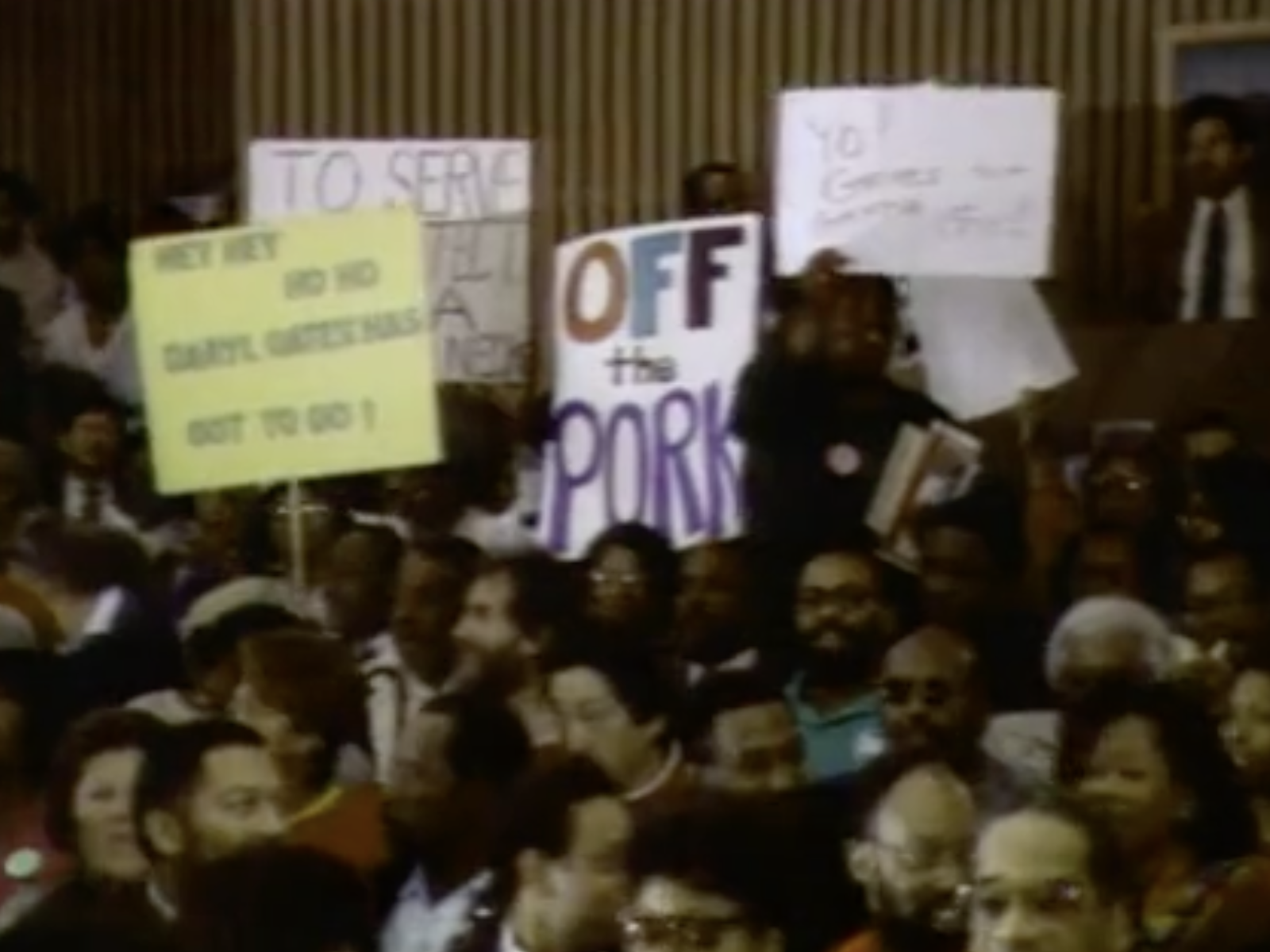 A Pattern of Racism and Police Brutality? (1991)
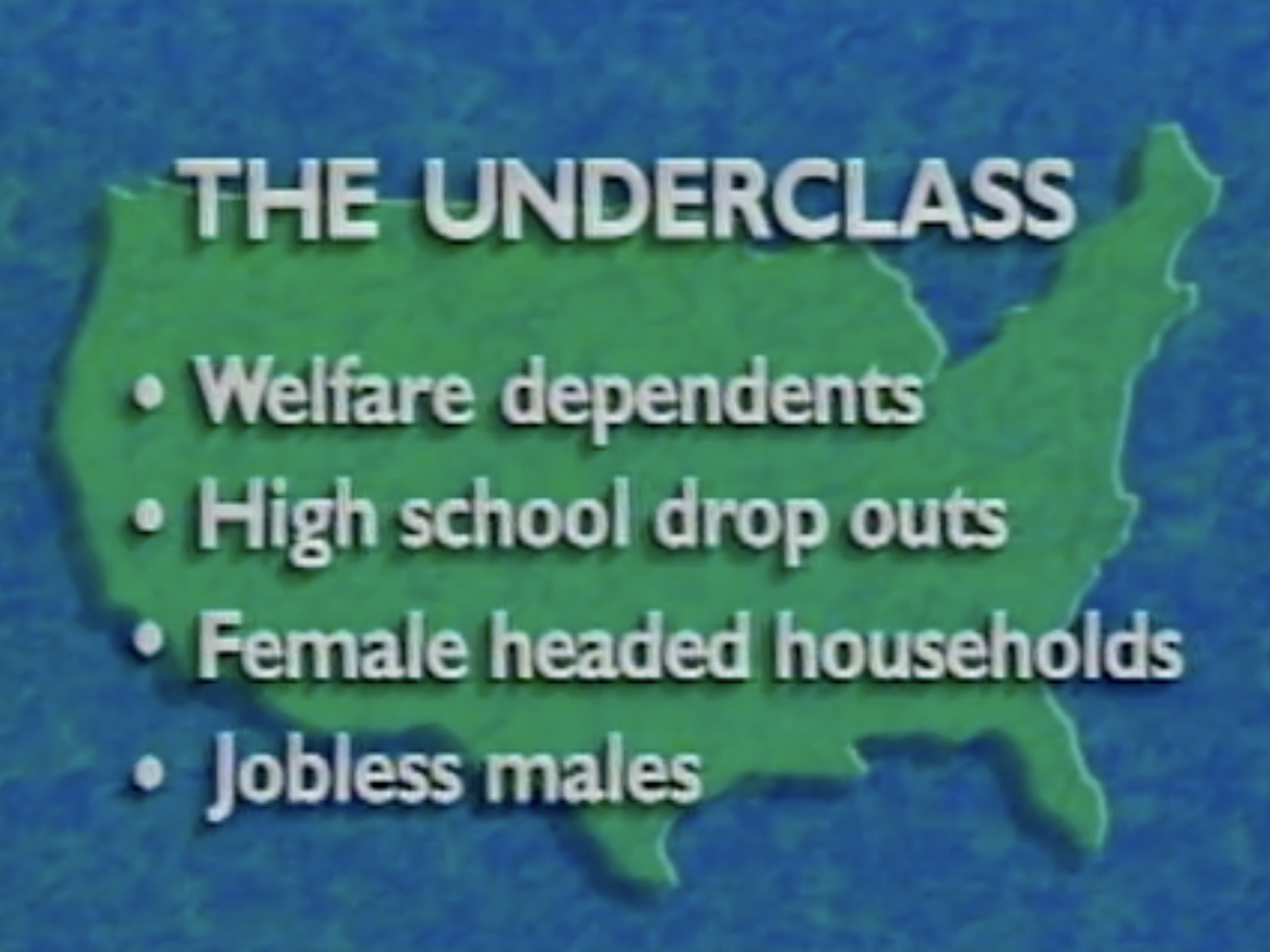 The Plight of Los Angeles Underclass (1990)
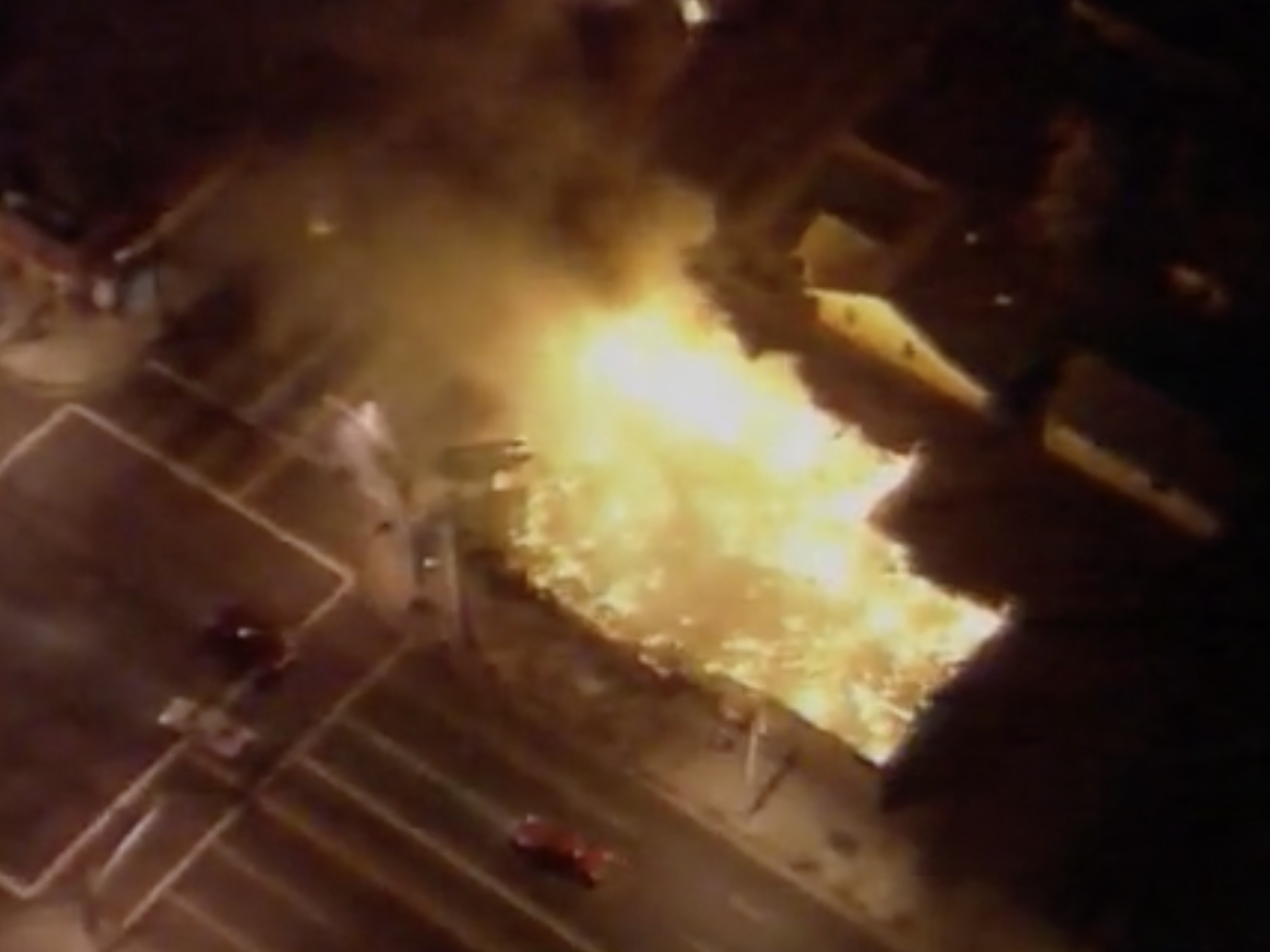 Los Angeles Erupts After the Rodney King Trial Verdict (1992)
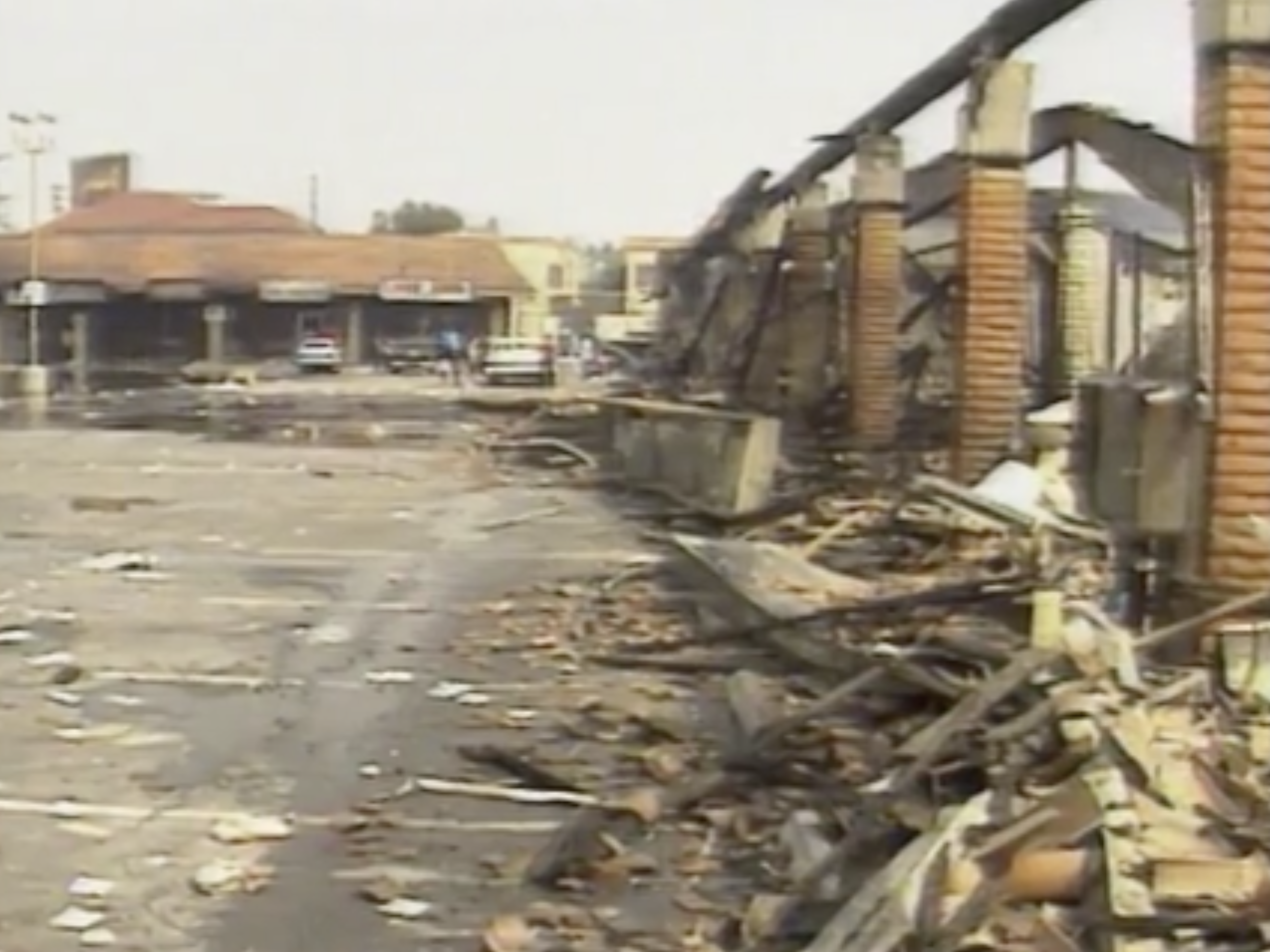 Unrest Spreads Throughout Los Angeles (1992)
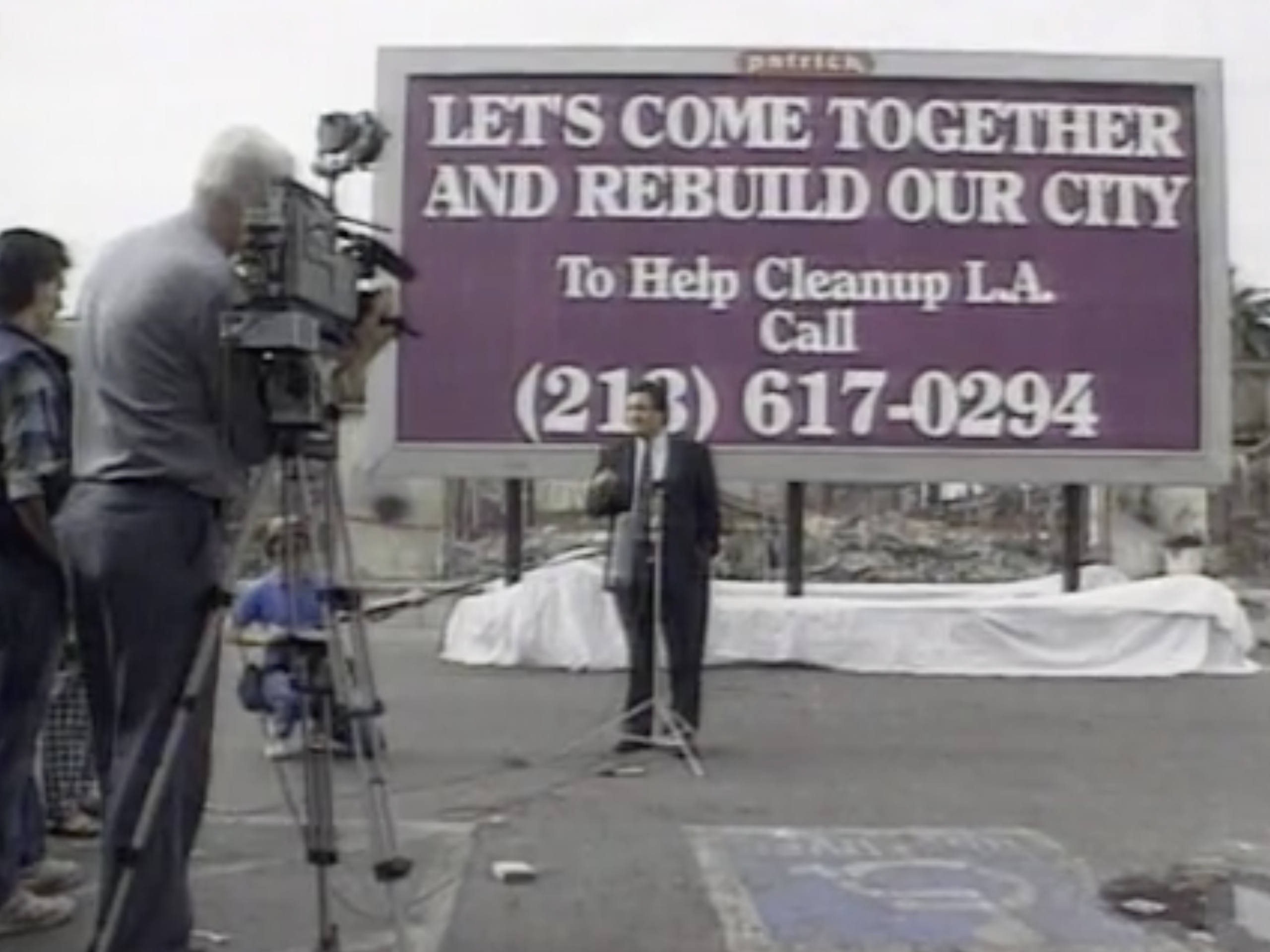 Latino Communities during the LA Riots (1992)
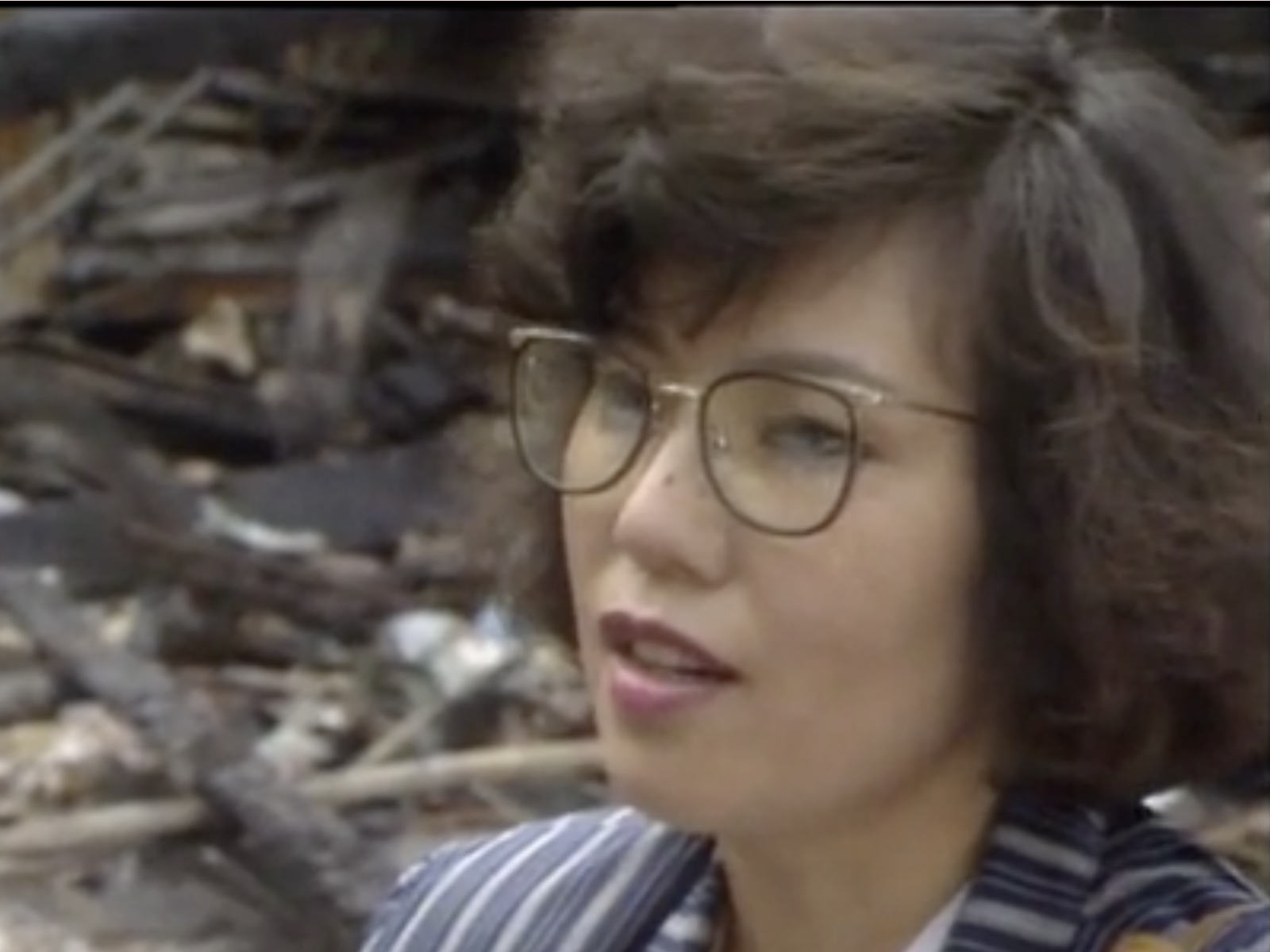 The Impact of the Riots on Korean Americans (1992)
 Analyzing Media Coverage of the Riots (1992)
 Debates Within the Black Community (1992)
 Economic Deprivation and Hopes for Revitalization in South Central LA (1992)
 A Conservative Response to the LA Riots (1992)