<v Val Zavala>This is their story. <v Val Zavala>They live in neighborhoods where crime is so high, not even their laundry is <v Val Zavala>safe from thieves, where Mother's Day is on the 1st and the 15th - when <v Val Zavala>welfare checks are delivered. <v Val Zavala>And where eight out of 10 births are to teenagers who sometimes become grandparents <v Val Zavala>in their early 30s here. <v Val Zavala>More than half of high school students will never walk in a graduation line, <v Val Zavala>where poor health care means they spend more time than anyone else in emergency rooms. <v Val Zavala>And where tensions are so high that tempers flare at a moment's notice. <v Val Zavala>Just as the rich are gated away from the rest of society, so are the underclass, <v Val Zavala>some living in the projects, low rent prisons of despair, where <v Val Zavala>success is found mostly on street signs. <v Val Zavala>All this despite their living in one of the wealthiest cities on earth. <v Val Zavala>These are society's underclass.
<v Leonard Schneiderman>What one is attempting to describe the use of a word like <v Leonard Schneiderman>underclass is not the fact that there are people at <v Leonard Schneiderman>different income levels in the society. <v Leonard Schneiderman>But the progressive disconnectedness of a group of people from the mainstream <v Leonard Schneiderman>of the society. <v Val Zavala>Dean of the UCLA School of Social Welfare, Leonard Schneiderman. <v Leonard Schneiderman>We have a kind of polarization going on, a kind of two tier society <v Leonard Schneiderman>in which the polarization between the haves and have nots is intensifying <v Leonard Schneiderman>very greatly. The ladders available to people to achieve upward <v Leonard Schneiderman>mobility have been cut off at the bottom. <v Val Zavala>And a changing job picture is one reason why. <v Val Zavala>Gone are high paying blue collar jobs replaced by low paid service sector <v Val Zavala>jobs. The lucrative information based jobs are unattainable by a poorly educated <v Val Zavala>underclass. Twenty years ago, a high school diploma and hard work meant a ticket <v Val Zavala>out of the ghetto. Today, that's next to impossible.
<v Val Zavala>They are unable to keep up in a world that is rapidly changing, one requiring high <v Val Zavala>levels of education and highly skilled workers. <v Val Zavala>And because they've been unable to adapt, it's getting even more difficult to get out of <v Val Zavala>the ghetto. The world is passing many of them by. <v Val Zavala>Their numbers tripled in the 1970s alone. <v Val Zavala>At last count, there were two and a half million people nationwide. <v Val Zavala>Using 1980 census data the urban Institute measured <v Val Zavala>the underclass. They looked for neighborhoods with an overpopulation of welfare <v Val Zavala>dependents, high school dropouts, female headed households <v Val Zavala>and jobless males. <v Val Zavala>They found 880 underclass neighborhoods nationwide, 22 <v Val Zavala>in Los Angeles alone. <v Val Zavala>Among them, Watts. <v Val Zavala>Despite the riots 25 years ago, it is still economically depressed, <v Val Zavala>but it's home for 24 year old Tanya Fortson, a high school dropout <v Val Zavala>and single mother of three. Tanya is a third generation welfare recipient.
<v Val Zavala>She lives in Nickerson Gardens, the largest housing project in Los Angeles, <v Val Zavala>where she sees the despair daily. <v Tanya Fortson>They feel, why should I have to work? <v Tanya Fortson>I have a girlfriend now who is working and she only makes I mean, she works seven <v Tanya Fortson>days a week, and she only makes $730 a month, OK? <v Tanya Fortson>I make more than her just sititng on my behind and waiting on the mailman. <v Val Zavala>Tanya and many like her have fallen into a trap. <v Val Zavala>Victims of a program originally designed as a safety net, but the net is slowly <v Val Zavala>pulling them under. Faced with little more than the prospect of low wage jobs, <v Val Zavala>most stay on welfare and low wage dead end jobs <v Val Zavala>mean the young men of the underclass resort to an underground economy of selling <v Val Zavala>drugs seen as the only way out. <v William Rathburn>When people are poor, there's no question but that a larger percentage of those people <v William Rathburn>are going to get involved in crime. <v Val Zavala>And this lifestyle has severe consequences. <v Val Zavala>Many young black men are being killed in gang warfare.
<v Val Zavala>Those who avoid getting shot end up in jail. <v Val Zavala>Today, one in four young black men are either in jail or under court supervision. <v Val Zavala>Many expect to go to jail, according to Leon Watkins, who runs a South Central L.A. <v Val Zavala>Crisis Hotline. <v Speaker>I've heard some of the guys say it's not if you go to jail, it's when you <v Speaker>go to jail. It was out there on the street. <v Speaker>And that in and of itself is something different than what it used to be a few years ago. <v Val Zavala>Fred Owens and James Weaver may be the next generation of underclass. <v Val Zavala>Both are 16 and both have been in trouble for gang activity with <v Val Zavala>no father in the home, Fred wanted to help his mother financially, so he began <v Val Zavala>making over fifteen hundred dollars a week selling drugs. <v Fred Owens>I just say kept a secret to myself say, hey, I will come in and pay the bills and <v Fred Owens>whatever she wants, I give it to her. <v Val Zavala>Many parents close their eyes to the crimes their sons commit, <v Val Zavala>something ex-con Marshall Brown has seen time and time again.
<v Marshall Brown>Their mom was gonna go along with it, you know, because mom would like the money. <v Marshall Brown>That's what's happening, it's happening all around here that you got. <v Marshall Brown>You got 15 years of 15 year old taking care, his whole family, <v Marshall Brown>you know, and provide transportation. <v Marshall Brown>And so, what do you know, how how would they lose it if they feel they're surviving? <v Val Zavala>These men speak from experience. <v Val Zavala>They're prisoners in a halfway house awaiting release. <v Val Zavala>To them, crime and drugs are both a matter of survival and a ticket <v Val Zavala>to the American dream. <v Marshall Brown>You can't give a man that's um say I have three kids and a <v Marshall Brown>wife. You can't give him three dollars and thirty. <v Marshall Brown>Minimum wage. Three dollars - four dollars, thirty five cent. <v Marshall Brown>So it results back to dope, you know, where they can make money. <v Alan Hudson>I was looking for that goal. <v Alan Hudson>You know, that's all I wanted was that go a nice family, a nice home and <v Alan Hudson>a car to get back and forth to work. <v Alan Hudson>In other words, I'm going to ride the boat like everybody else.
 The Rodney King Beating (1991)
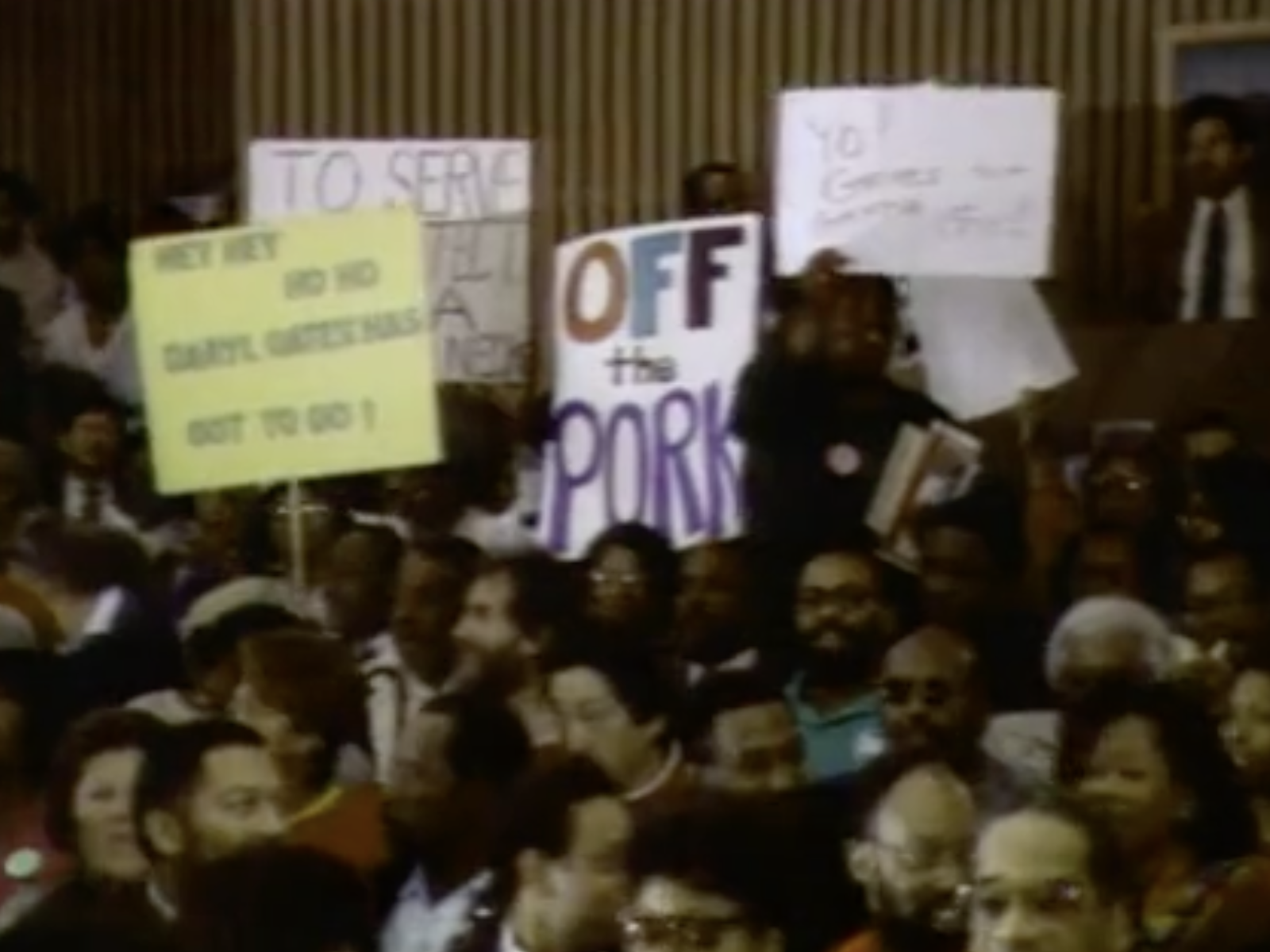 A Pattern of Racism and Police Brutality? (1991)
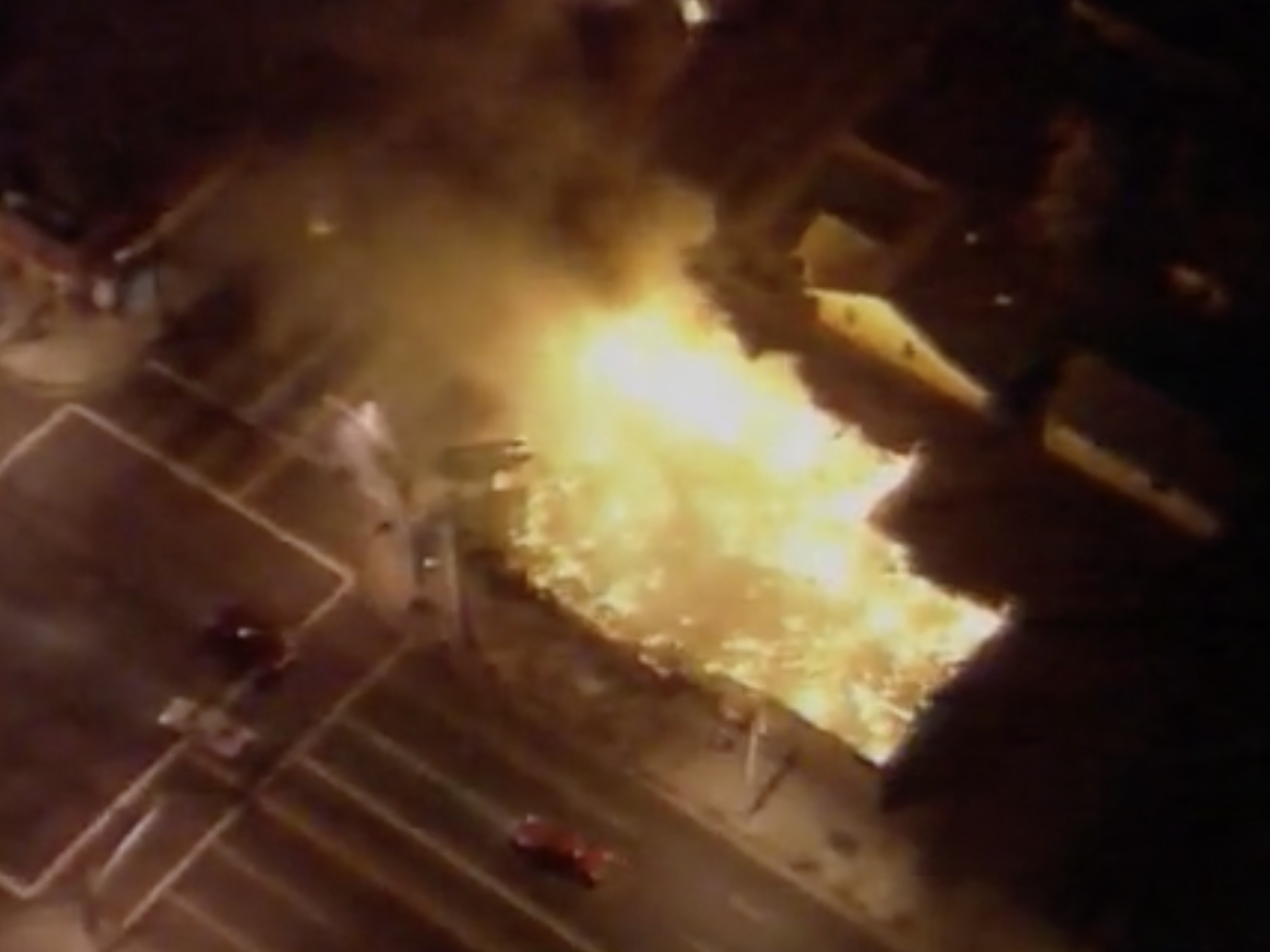 Los Angeles Erupts After the Rodney King Trial Verdict (1992)
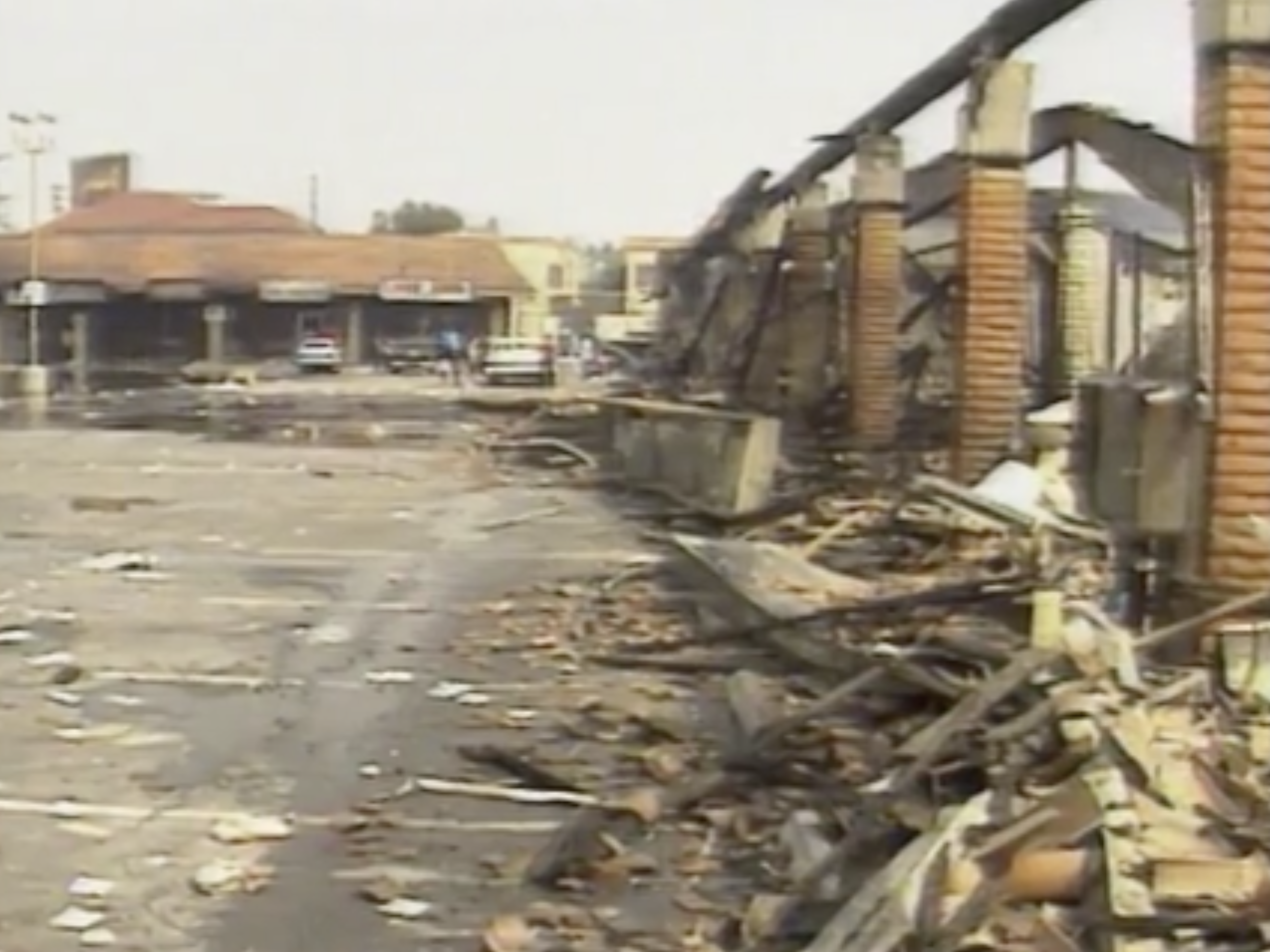 Unrest Spreads Throughout Los Angeles (1992)
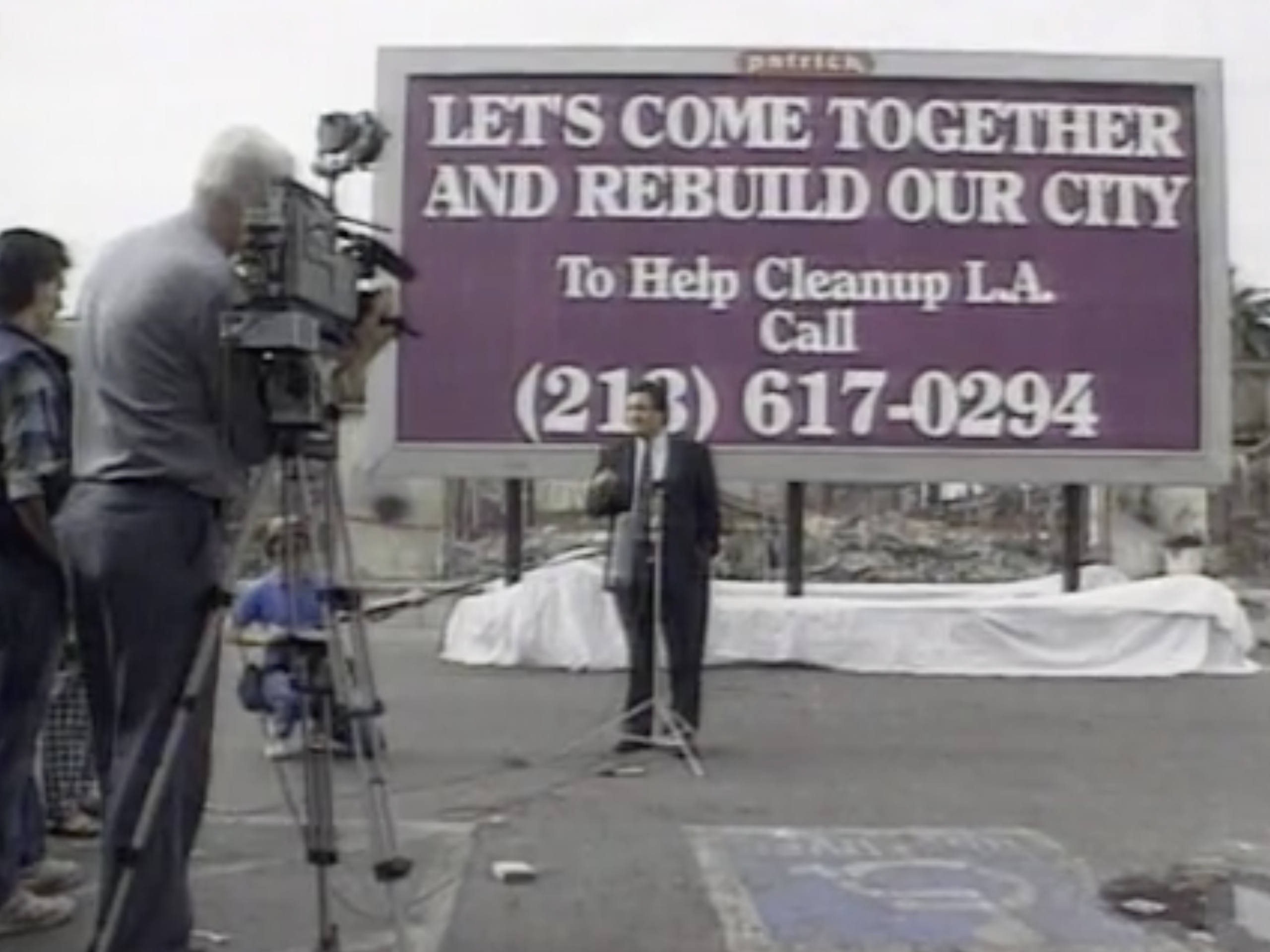 Latino Communities during the LA Riots (1992)
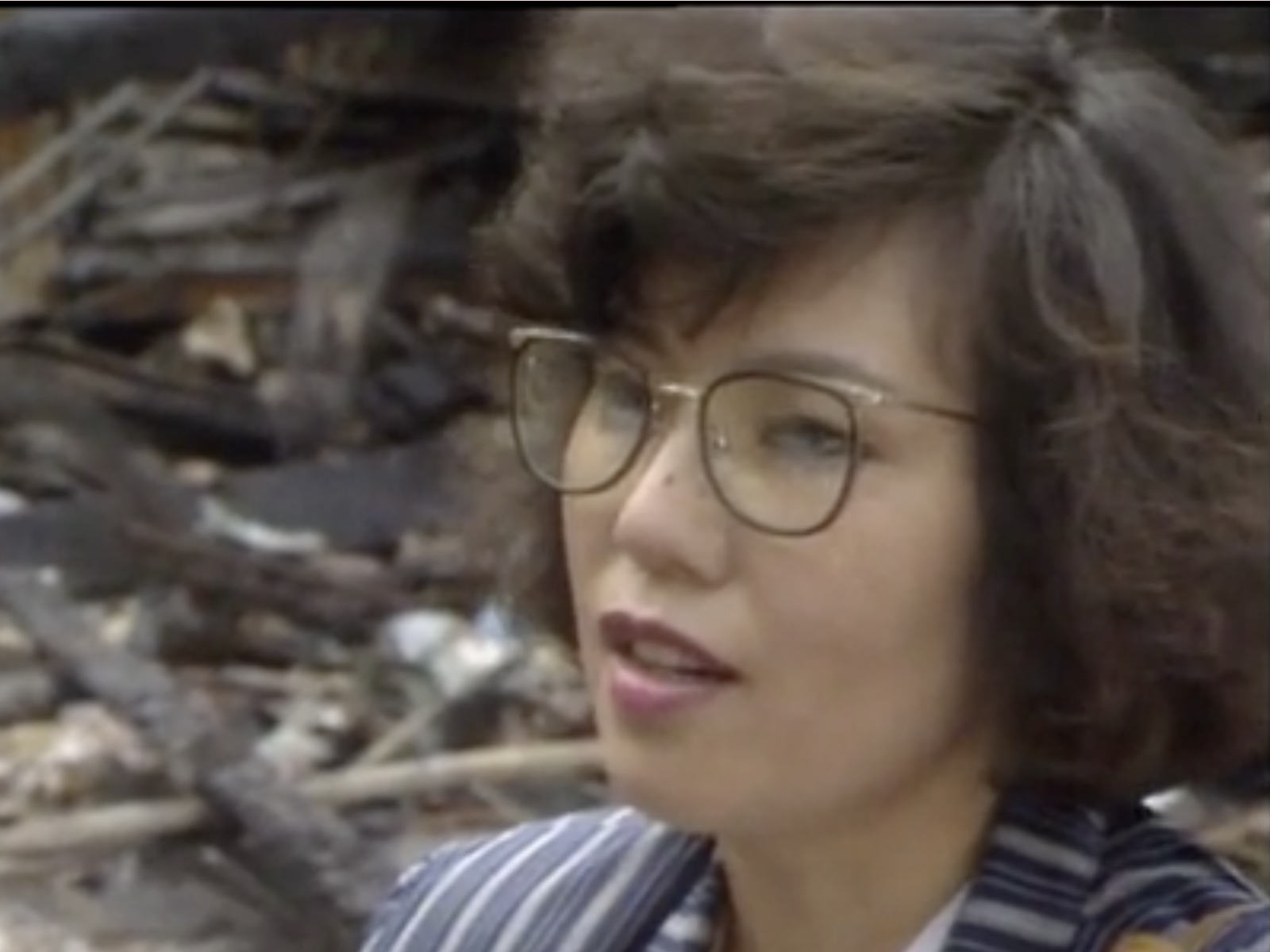 The Impact of the Riots on Korean Americans (1992)
 Analyzing Media Coverage of the Riots (1992)
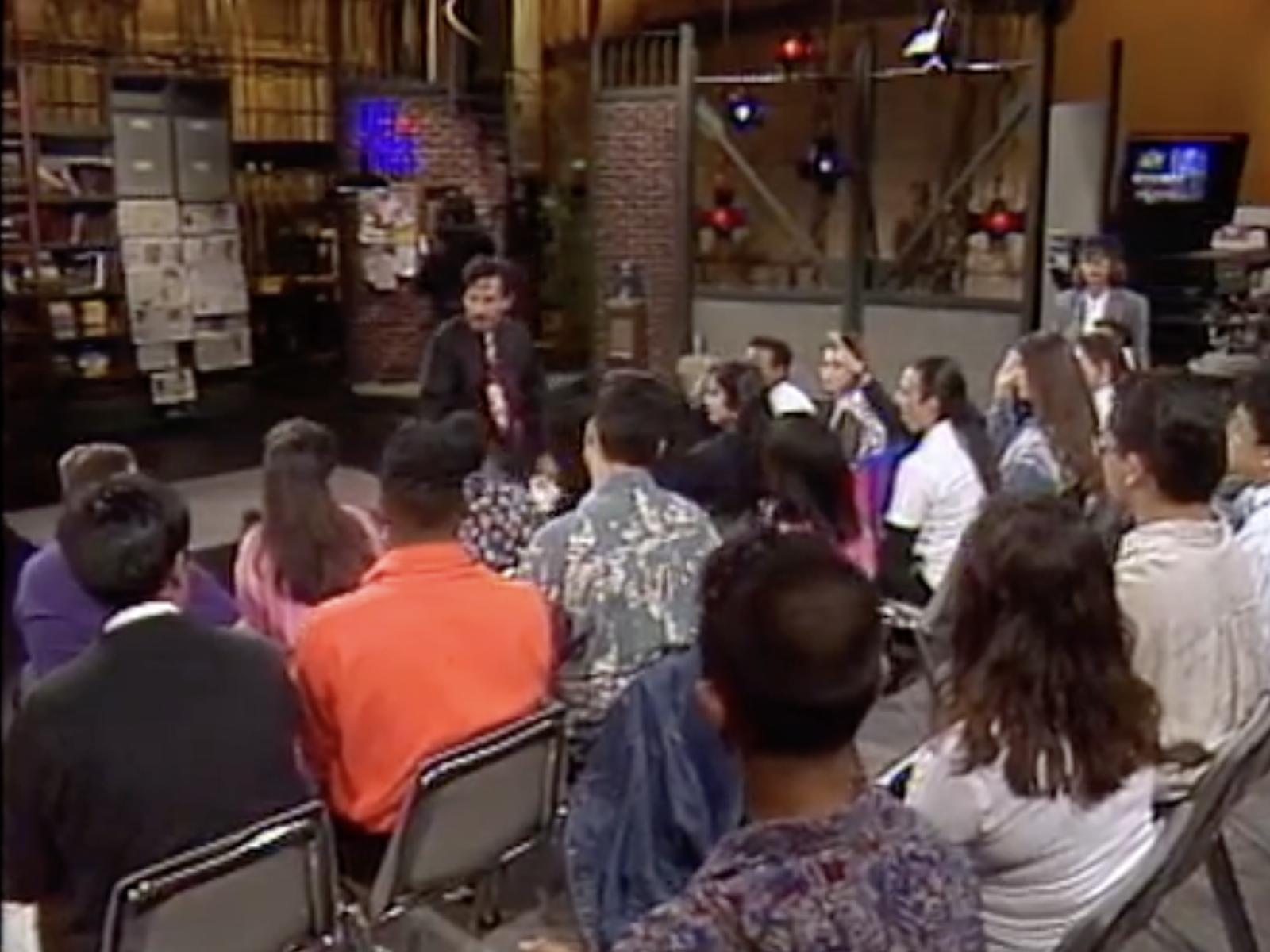 Young LA Residents Debate Race in America (1992)
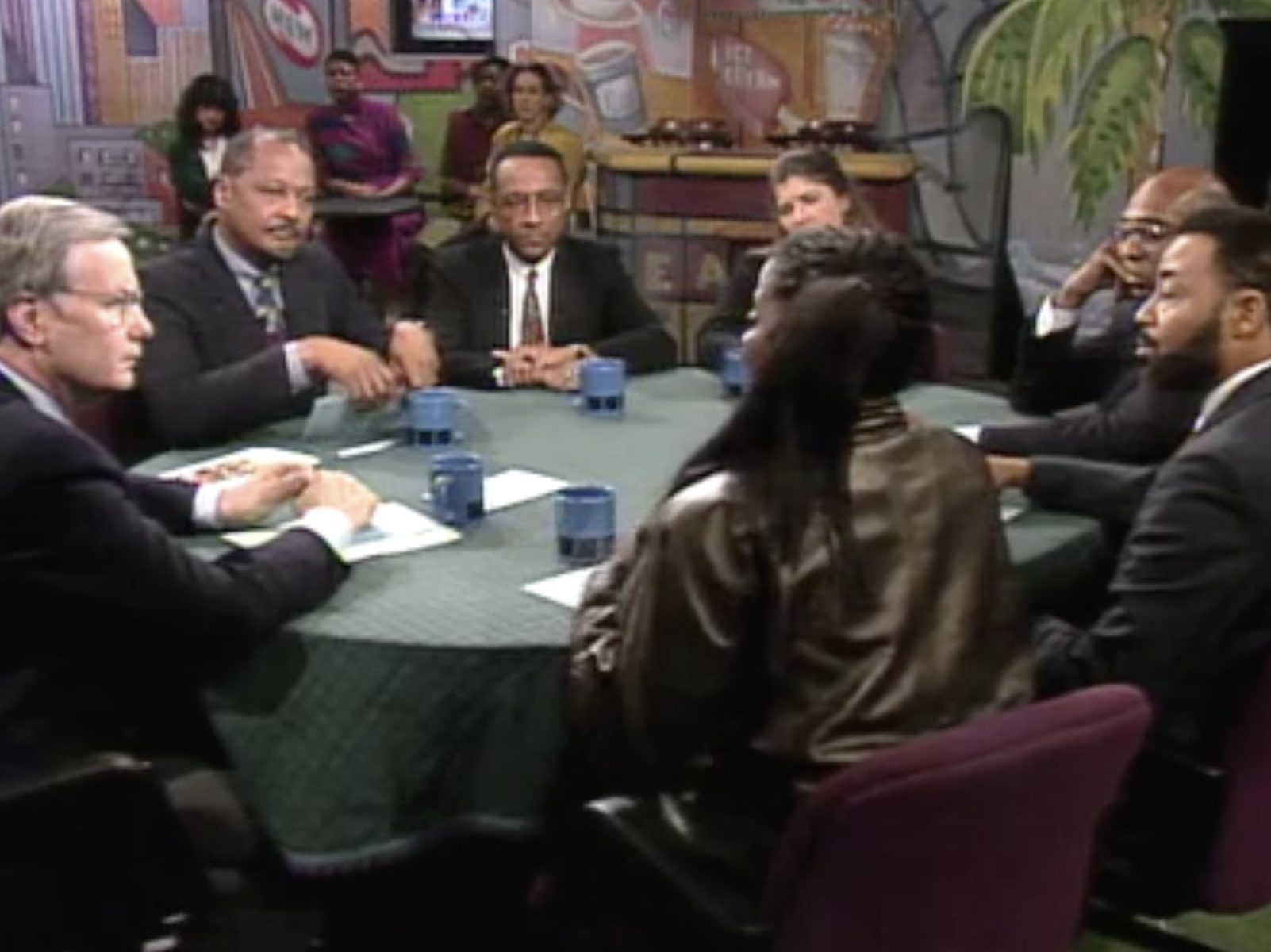 Debates Within the Black Community (1992)
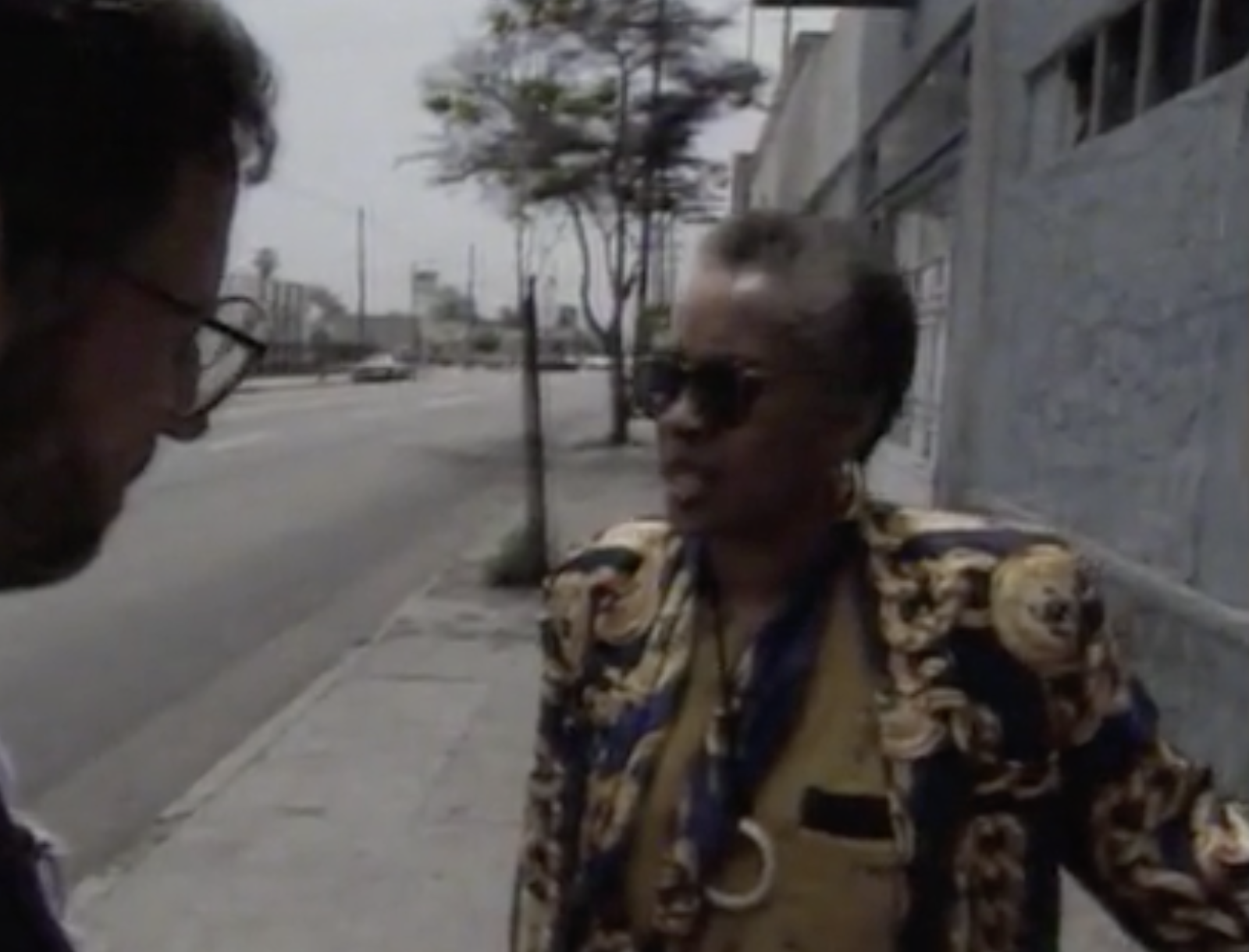 Economic Deprivation and Hopes for Revitalization in South Central LA (1992)
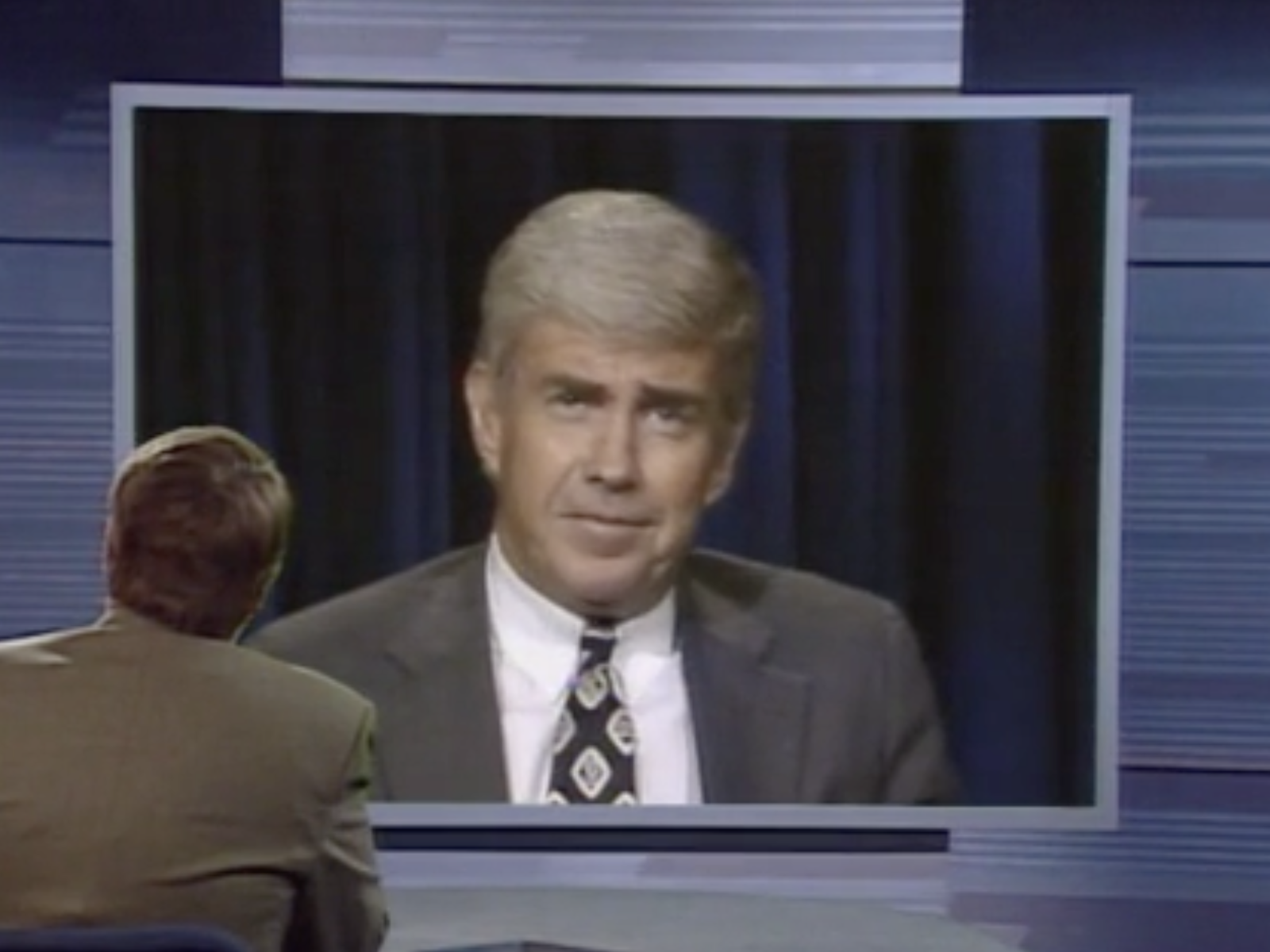 A Conservative Response to the LA Riots (1992)